
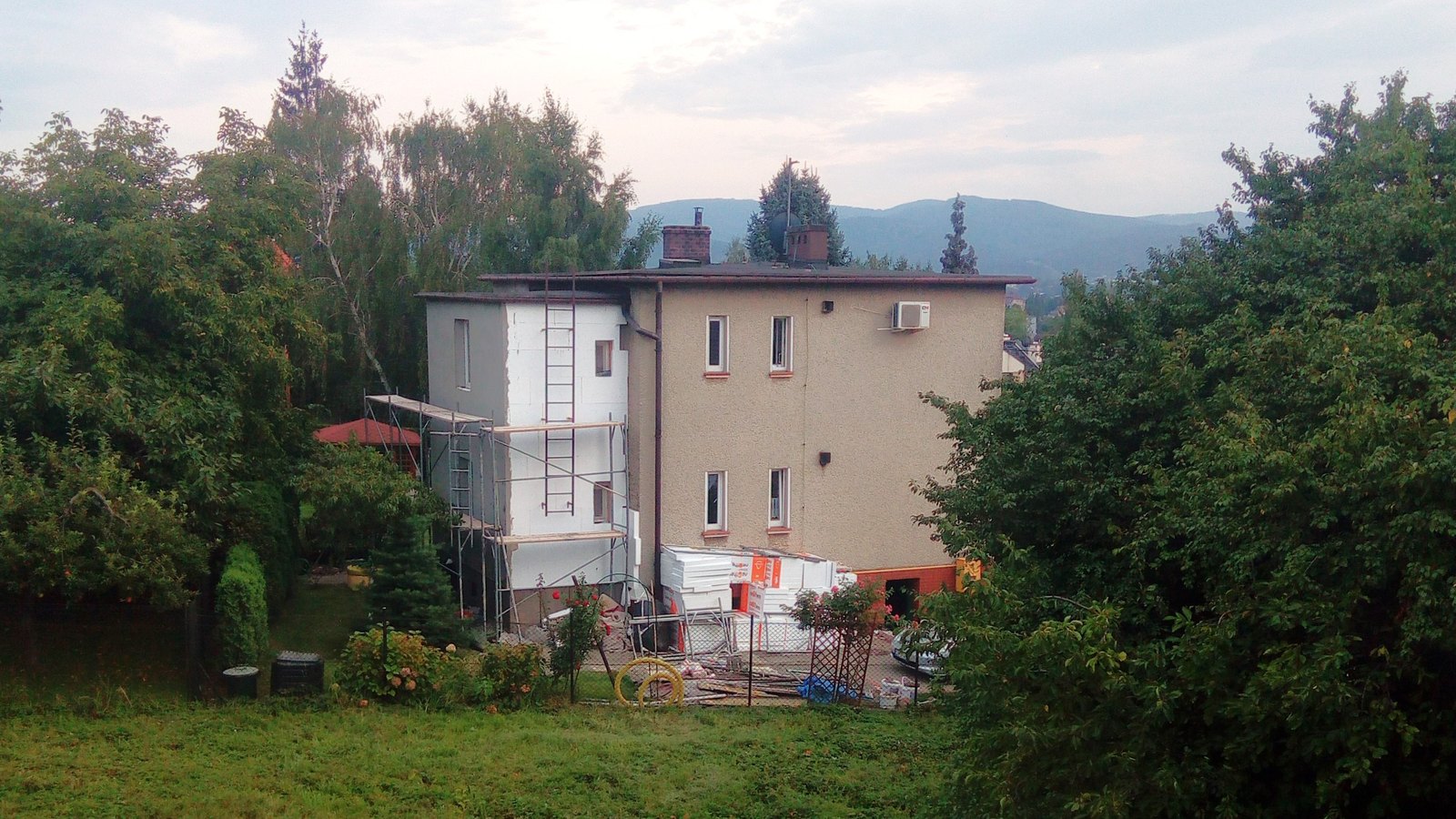
On 26 November 2026, the UK Department for Energy Security and Net Zero (DESNZ) published official audit statistics revealing that 93 percent of inspected external wall insulation installations under the ECO4 and Great British Insulation Scheme failed technical standards, presenting severe quality control implications for university estate decarbonisation programmes and public retrofit research initiatives across the United Kingdom.
Widespread Technical Non-Compliance Identified Across Inspected Dwellings
The newly published information release details operational progress under the nationwide Find and fix programme between 17 November 2025 and 4 November 2026. The programme began after TrustMark alerted DESNZ in October 2024 to abnormally elevated rates of installation defects across solid wall insulation installed under government schemes. Solid wall insulation includes both external wall insulation (EWI) and internal wall insulation (IWI).
In November 2025, DESNZ published randomised sample audits commissioned through Ofgem showing that 92 percent of external wall insulation installations and 27 percent of internal wall insulation projects had at least one major technical non-compliance. Additionally, 6 percent of external and 2 percent of internal installations posed direct health and safety risks to occupants.
Following recommendations from the House of Commons Public Accounts Committee, DESNZ committed to offering free on-site audits to all affected households and publishing progress data. The November 2026 release covers 24,615 unique eligible properties within the scope of Find and fix, out of 33,839 total external wall insulation measures delivered under ECO4 and GBIS.
Detailed Audit Findings and Status of Contractor Remediation
Data retrieved from TrustMark on 4 November 2026 reflects extensive outreach across eligible households. TrustMark made a minimum of three contact attempts via at least two communication methods per address. Overall, 19,216 unique properties were contacted, resulting in 16,165 responding households and 16,049 audit offers. Residents accepted 14,335 appointments, while 1,756 were declined or access was not secured, and 2,846 households received three or more contacts without completing an offer.
To date, 11,141 on-site audits have been completed, with 3,194 scheduled audits awaiting completion. Only 77 inspected dwellings—accounting for less than 1 percent of completed audits—proved fully compliant with technical standards.
| Audit Finding Category | Unique Properties | Percentage of Audits Completed |
|---|---|---|
| Properties found compliant | 77 | 1% |
| Properties with minor faults | 669 | 6% |
| Properties with major faults | 9,288 | 83% |
| Properties with immediate health and safety risks | 1,111 | 10% |
| Total properties audited | 11,141 | 100% |
Major technical faults were identified in 9,288 properties (83 percent), indicating defects that impair thermal efficiency, durability, and moisture resistance. An additional 1,111 dwellings (10 percent) exhibited immediate health and safety risks. These hazards include blocked combustion flues, obstructed ventilation pathways, unsealed penetrations, water ingress behind cladding, and electrical hazards.
Because any recorded fault classifies an installation as non-compliant, 11,064 audited properties require remediation. Currently, remedial work is complete and signed off at 2,227 properties (20.1 percent), while 8,983 dwellings (79.9 percent) remain unresolved, leaving a substantial remediation backlog for obligated suppliers.
Statutory Framework, Retrofit Standards, and Quality Oversight
The evaluated installations were funded under The Electricity and Gas (Energy Company Obligation) Order 2022 (SI 2022/875). This order establishes statutory obligations for licensed energy suppliers to deliver energy efficiency measures to fuel-poor households across Great Britain.
Ofgem acts as scheme administrator, managing compliance for both the Energy Company Obligation and the Great British Insulation Scheme. Regulations require that solid wall insulation comply with PAS 2035:2019 and PAS 2030:2019 retrofit specifications, which mandate chartered retrofit coordination, comprehensive ventilation designs, and detailed thermal bridge mitigation.
Independent evaluations by the National Audit Office have frequently documented delivery pressures across UK decarbonisation programmes. Parliamentary audit reports noted that rapid programme expansion and commercial sub-contracting models often outpace the supply of certified retrofit assessors and installers, heightening installation risk.
Stakeholder Responses and Oversight Scrutiny
The release has intensified scrutiny from the Public Accounts Committee, which warned against vulnerable households enduring damp, mould, or heating failures following subsidised retrofit works. Committee members stressed that recipients must not suffer physical discomfort or financial liabilities from poor contractor execution.
DESNZ affirmed that obligated energy suppliers carry statutory liability for funding all inspections and remedial works under Find and fix. TrustMark has tightened enforcement against non-compliant installers, issuing sanctions and requiring third-party re-inspections before suspended contractors can participate in public schemes.
Implications for University Estates, Building Physics Research, and Compliance
The findings carry direct operational and academic consequences for higher education institutions and research facilities:
- Estate Decarbonisation Governance: UK universities managing historic solid-wall estates under Public Sector Decarbonisation Scheme grants must enforce independent third-party inspections rather than accepting contractor self-declarations. Estates and procurement offices evaluating compliance tracking systems can benchmark solutions through comparative analyses of regulatory compliance software.
- Building Physics and Thermal Modelling: Empirical evidence that 83 percent of installations carry major faults informs research into the thermal performance gap between theoretical EPC ratings and real-world heat loss. Researchers assessing national energy statistics and grant outcomes can reference analytical approaches in guides on research grant funding statistics.
- Research Data Governance: Longitudinal retrofit tracking produces multi-variable datasets on building fabric failures and remedial interventions. Managing such administrative records aligns with open data standards for research data and sector commitments under the concordat on open research data.
Next Steps, Remediation Timelines, and Ongoing Surveillance
DESNZ confirmed that Find and fix will operate until all eligible installations are inspected and remediated. TrustMark is executing re-contact protocols for the 2,846 households that have not booked appointments. Delivery teams are expediting remediation for the 1,111 properties with health and safety risks, with monthly progress reports required from energy suppliers. DESNZ intends to publish updated statistics in early 2027.
Sources
- Department for Energy Security and Net Zero: Solid wall insulation installed under ECO4 and GBIS: Find and fix programme ad hoc information release, checked 2026-11-27
- Ofgem: Energy Company Obligation (ECO) Administration and Compliance, checked 2026-11-27
- Ofgem: Great British Insulation Scheme (GBIS) Overview and Guidance, checked 2026-11-27
- UK Parliament: The Electricity and Gas (Energy Company Obligation) Order 2022 (SI 2022/875), checked 2026-11-27
- National Audit Office: Achieving Net Zero Report, checked 2026-11-27






