
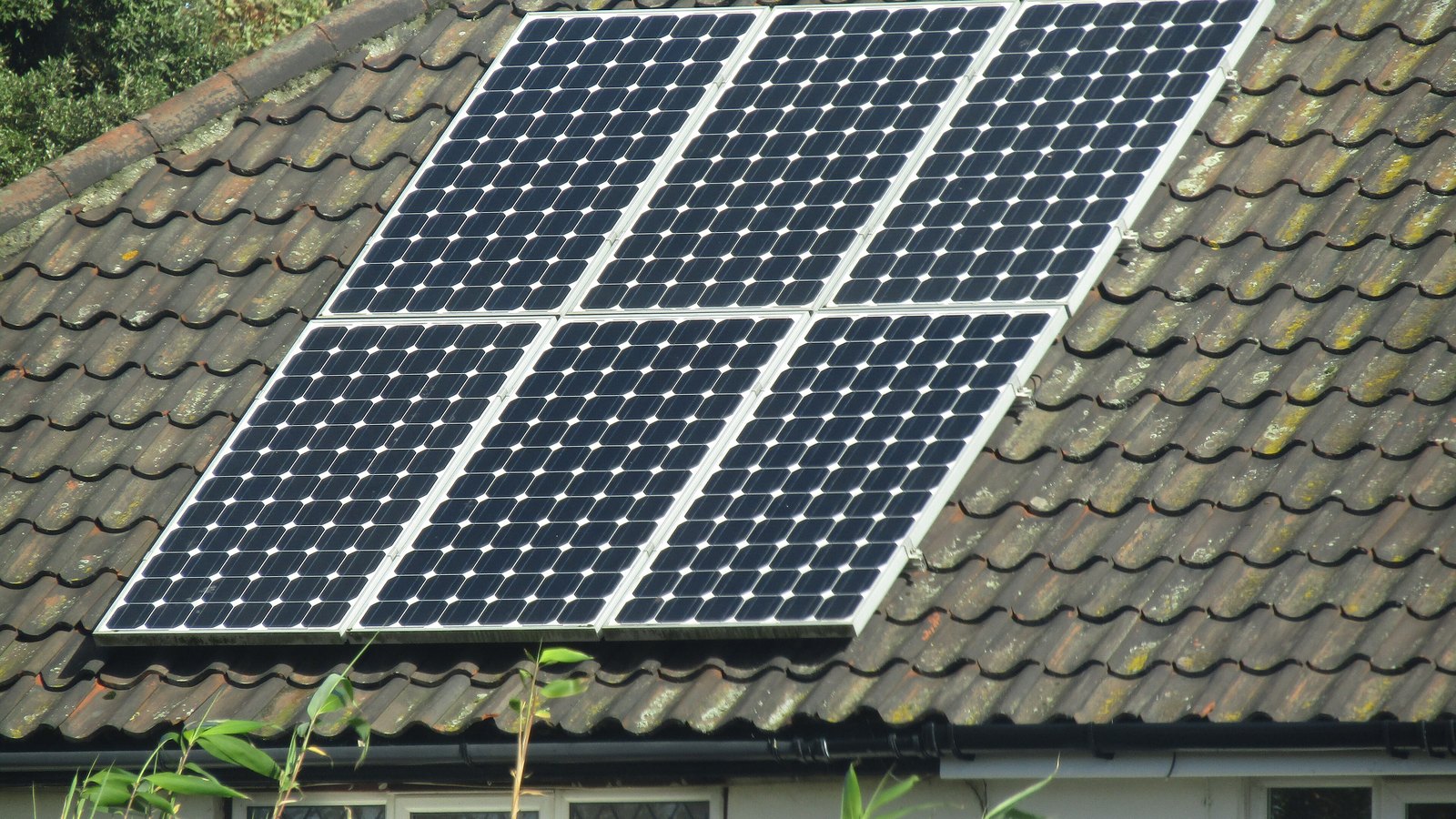
On 23 November 2026, the UK Department for Energy Security and Net Zero opened a public consultation proposing to remove insulation and microgeneration installations from supplier-funded Warm Home Discount industry initiatives in England and Wales. The four-week proceeding introduces notable regulatory divergence between England and Scotland while redirecting annual levy spending, establishing immediate compliance, procurement, and data governance impacts for university research offices evaluating domestic retrofit trials and community energy schemes.
Proposals to Restrict Capital Measures Under Warm Home Discount Initiatives
The Department for Energy Security and Net Zero (DESNZ) published a formal consultation document proposing to restructure the non-rebate mechanisms of the Warm Home Discount scheme. Established in 2011, the scheme delivers £150 annual electricity bill rebates to low-income households funded via a levy on domestic energy suppliers. Since inception, the programme has provided nearly £6 billion in cumulative support, assisting roughly 5.7 million households across Great Britain during the winter of 2025 to 2026.
In addition to bill rebates, licensed suppliers must fund non-rebate industry initiatives to assist vulnerable consumers. Suppliers design targeted support delivered directly or through partners such as local authorities, housing associations, and charities. Eligible activities currently include energy debt assistance, benefit entitlement checks, heating advice, energy-efficient appliances, and capital measures including thermal insulation, rooftop solar panels, and plug-in solar devices.
DESNZ determined that the existing framework lacks specific consumer protection and technical quality assurance standards for capital works. Poorly designed or substandard measures create risks including structural damp, mould, and ineffective warranties. Consequently, ministers propose removing insulation and microgeneration measures from industry initiatives in England and Wales until an overhauled consumer protection framework under the Warm Homes Plan is implemented.
Comparative Analysis of Proposed Regulatory Revisions
The consultation sets out distinct approaches reflecting devolved powers. While energy policy is reserved for England and Wales, fuel poverty strategy is devolved in Scotland. The Scottish Government proposes retaining insulation and microgeneration under industry initiatives where measures align with publicly funded retrofit schemes or undergo supervision by an independent Clerk of Works.
Total statutory spending obligations for suppliers remain unchanged. Energy suppliers in England and Wales must redirect capital funds toward non-capital initiatives, including financial assistance, debt relief, and energy advice. DESNZ is seeking evidence on whether existing spending caps on customer debt relief should be adjusted to absorb this redirected expenditure.
Under proposed transitional rules, projects formally notified to the sector regulator, the Office of Gas and Electricity Markets (Ofgem), prior to amended regulations taking effect in spring 2027 may proceed to completion under grandfathering provisions.
| Policy Dimension | Current Framework | Proposed England & Wales | Proposed Scotland |
|---|---|---|---|
| Thermal Insulation | Eligible under broad initiative rules | Removed from eligible spend | Retained alongside public retrofit schemes |
| Solar Microgeneration | Eligible, including plug-in solar | Excluded entirely from eligible spend | Retained under enhanced technical standards |
| Consumer Protection | No bespoke accreditation in WHD rules | Precautionary pause pending reforms | Mandatory local oversight or Clerk of Works |
| Supplier Funding | Flexible capital and social spend | Mandatory reallocation into advice and debt | Continued flexibility across verified measures |
| Transition Mechanics | Standard annual notifications | Grandfathering for pre-spring 2027 notifications | Parallel alignment with public retrofit schemes |
Policy Background and Consumer Protection Failings
The Warm Home Discount operates under Part 2, Sections 9 to 15 of the Energy Act 2010, which empowers ministers to require energy suppliers to reduce fuel poverty. While major capital schemes such as the Energy Company Obligation 4 (ECO4) and Great British Insulation Scheme (GBIS) require strict adherence to PAS 2030 and PAS 2035 installation standards, industry initiatives developed under flexible rules focused primarily on social support.
The policy reassessment follows documented delivery failures in earlier retrofit programmes. Technical audits of ECO4 and GBIS identified substandard installations, inadequate property assessments, and installer insolvencies that left vulnerable households facing unresolved damage. Although widespread detriment has not been proven specifically within Warm Home Discount initiatives, DESNZ concluded that maintaining an unaccredited installation route alongside regulated schemes presents unacceptable consumer risks.
Stakeholder Perspectives Across the Energy and Retrofit Sectors
Stakeholder reactions reflect divergent commercial and social priorities. Energy suppliers welcomed regulatory clarity but expressed concern regarding the administrative burden of modifying delivery contracts within a four-week consultation timeframe.
Retrofit contractors and solar trade groups voiced strong concern over the exclusions in England and Wales. They noted that industry initiatives provide critical funding for vulnerable households that do not meet strict ECO4 criteria. Installers argued that adopting PAS 2035 standards directly—as proposed in Scotland—would safeguard households without eliminating clean technology access.
Fuel poverty advocates welcomed stronger consumer protections but noted that redirecting funds into debt relief treats immediate symptoms without solving poor domestic energy efficiency. Environmental analysts monitoring emissions accounts published by the Office for National Statistics added that halting domestic capital upgrades risks slowing household carbon reduction trajectories.
Implications for University Research Offices and Energy Scholars
The proposed revisions create concrete operational, contractual, and research governance impacts for universities and academic research administrators. University energy institutes and engineering departments regularly collaborate with housing associations, municipal authorities, and energy suppliers to conduct field trials of innovative building fabrics and smart domestic microgeneration. Where academic field trials rely on Warm Home Discount industry initiatives for hardware co-funding, research managers must review active consortium agreements to evaluate whether partner funding will be curtailed by spring 2027.
Research development teams evaluating alternative capital grants should align project planning with benchmarks in research grant funding statistics to identify replacement public funding from UK Research and Innovation, Innovate UK, or regional Net Zero programmes. Securing alternative awards will be essential to maintain experimental schedules if commercial utility partners withdraw matching capital.
From an audit perspective, university research offices managing multi-partner consortia must track regulatory approvals and project milestones. Because supplier obligations are strictly audited by Ofgem, institutions frequently rely on regulatory compliance software to verify that subcontractor certifications and delivery notifications are submitted before statutory cut-off dates.
The policy divergence between England and Scotland also affects empirical data governance. Field data from environmental sensors, smart meters, and solar loggers constitute sensitive institutional research data. Academic teams must ensure that data management protocols adhere to the UK Concordat on Open Research Data, preserving comparability across cross-border research cohorts while accounting for differing regional regulatory regimes.
Next Steps, Legislative Timetable, and Consultation Deadlines
The four-week consultation closes at 11:59 pm GMT on 20 December 2026. The government adopted this condensed timeframe to allow sufficient parliamentary time to enact regulatory changes before the next scheme year. Responses can be submitted through the GOV.UK digital consultation portal or emailed directly to the DESNZ Warm Home Discount consultation team.
Following consultation closure, DESNZ and the Scottish Government will evaluate submissions and publish a formal government response alongside Public Sector Equality Duty and Environmental Impact Assessments. If ministers confirm the proposed approach, secondary legislation amending the Warm Home Discount Regulations will be laid before Parliament in early 2027, taking effect in spring 2027 for the 2027 to 2028 scheme year. Suppliers and delivery partners must ensure all eligible projects are notified to Ofgem prior to that date.
Sources
- Department for Energy Security and Net Zero: Warm Home Discount – insulation and microgeneration measures consultation, checked 2026-11-27
- Ofgem: Warm Home Discount (WHD) scheme administration and supplier compliance, checked 2026-11-27
- UK Parliament: Energy Act 2010 Warm Home Discount statutory framework, checked 2026-11-27
- Office for National Statistics: UK Environmental Accounts residential energy and emissions data, checked 2026-11-27






