
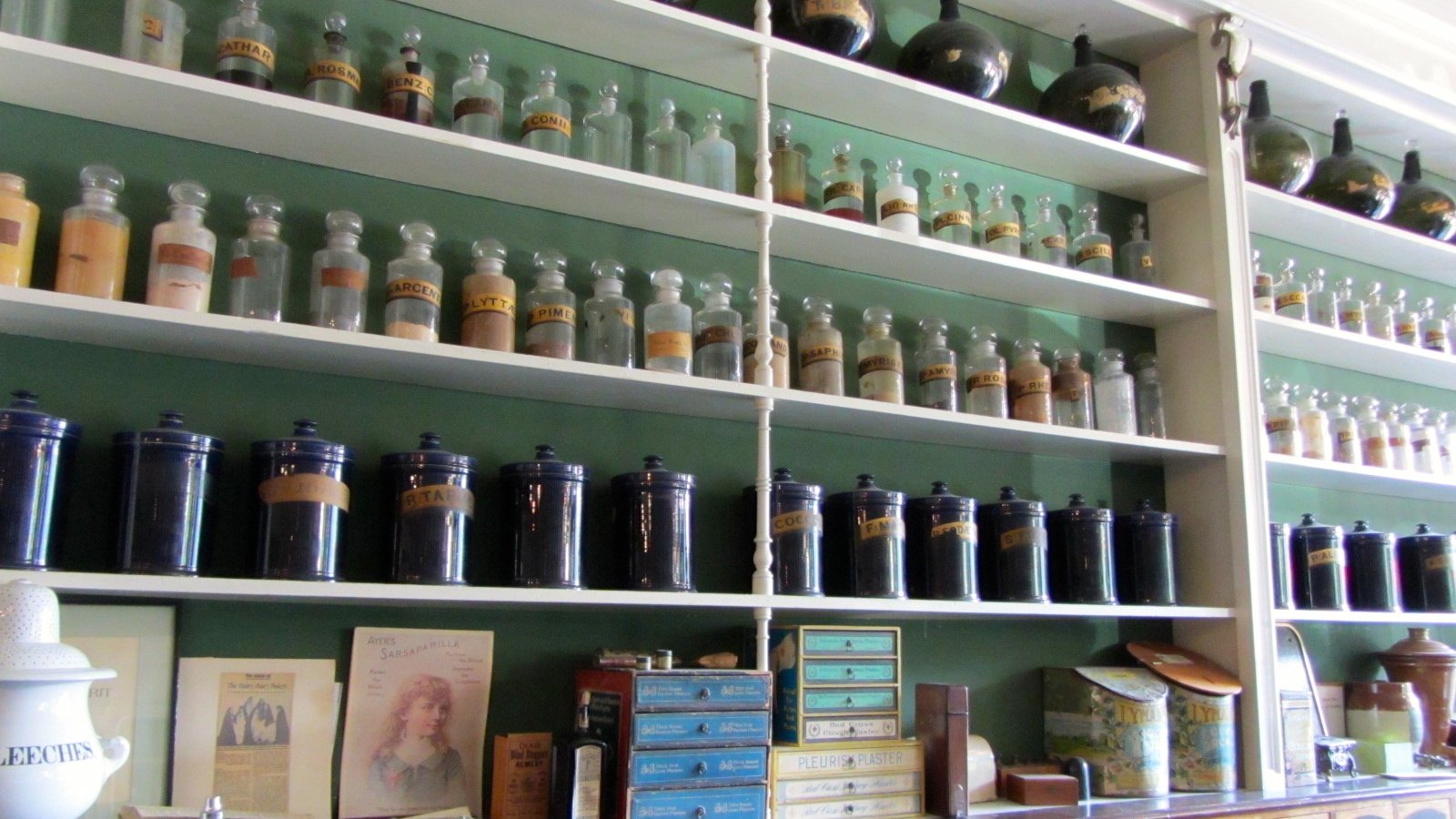
On 27 November 2026, the UK Department of Health and Social Care and the Medicines and Healthcare products Regulatory Agency updated the statutory list of medicines that cannot be exported from the UK or hoarded, placing emergency export restrictions on sodium thiosulfate infusion to protect domestic acute care supplies while lifting controls on the GLP-1 therapy dulaglutide following verified inventory recovery.
Additions and Removals in the November 2026 Statutory Update
The Department of Health and Social Care (DHSC) and the Medicines and Healthcare products Regulatory Agency (MHRA) issued an immediate revision to the UK restricted medicines register on 27 November 2026. The update introduces statutory parallel export bans and anti-hoarding controls on sodium thiosulfate (8g/100ml solution for infusion). Sodium thiosulfate serves as an emergency antidote for cyanide toxicity, an adjuvant mitigating nephrotoxicity during systemic cisplatin chemotherapy, and a treatment for calciphylaxis in end-stage renal disease. Supply chain bottlenecks prompted ministers to prohibit wholesale distributors from diverting UK-labelled stock overseas.
Simultaneously, the regulatory update removed dulaglutide (all strengths and presentations) from the restricted list. Dulaglutide, a glucagon-like peptide-1 (GLP-1) receptor agonist prescribed for type 2 diabetes and cardiovascular risk reduction, had been subject to strict export curbs amidst global production shortfalls. Following domestic inventory audits, DHSC and MHRA determined that UK stock levels have stabilized sufficiently to meet National Health Service (NHS) patient demand without trade restrictions.
The November adjustment follows targeted interventions across 2026 aimed at safeguarding essential therapeutic supplies. Earlier in autumn 2026, regulators added levothyroxine tablets, pentostatin powder for injection, topotecan solution for infusion, cytarabine injection vials, mesna injection ampoules, and idarubicin vials to the prohibited list, reflecting acute vulnerability across hospital oncology lines. The addition of sodium thiosulfate reinforces procurement safeguards for specialized injectables across the British healthcare system.
Regulatory Mechanics, Wholesale Obligations, and Thresholds
Under UK pharmaceutical law, parallel exporting involves purchasing medicinal products originally manufactured and priced for the domestic NHS market and exporting them abroad to capture wholesale margins in external jurisdictions. Hoarding occurs when licensed wholesale dealers deliberately withhold medications from domestic community pharmacies or hospital trusts during periods of constrained supply, either to inflate prices or to assemble bulk consignments for export.
The statutory list establishes compliance requirements for wholesale distribution authorization holders, summarized below:
| Regulatory Dimension | Statutory Provision | Operational Compliance Requirement |
|---|---|---|
| Restricted Scope | UK-Marketed Medicinal Stock | Prohibits export of listed medicines packaged and released for UK patients to all destinations. |
| Effective Timing | 00:00 UTC on Restriction Date | Export prohibitions take legal effect immediately at midnight at the start of the designated date. |
| Prior Purchase Orders | Binding Executed Contracts | Final agreed purchase orders received before the restriction date may proceed; frame orders require picked stock and booked transit. |
| Research Exemption | Clinical Trial Protocols | Explicit exemption permits export of restricted products for authorized clinical trials and academic investigations. |
| Administrative Sanctions | WDL Suspension or Variation | MHRA may execute immediate licence suspension or issue a 28-day notice proposing restrictive licence variations. |
| Criminal Liability | Regulations 18(1) and 34(1) | Willful or repeat breaches constitute criminal offences liable to unlimited financial penalties and imprisonment. |
Statutory Framework Under Regulation 43 and Brexit Exhaustion Rules
The overarching legal mandate governing parallel trade restrictions derives from Regulation 43(2) of The Human Medicines Regulations 2012. Under this provision, holders of a Wholesale Dealer Licence (WDL) have a continuous affirmative duty to ensure an adequate and uninterrupted supply of medicinal products to pharmacies and healthcare facilities so that patient needs in the UK are met. Diverting medicines subject to critical shortages violates this statutory obligation.
The criteria governing whether a product enters the restricted register are formalized in published statutory guidance on export and hoarding of restricted medicines. Ministers apply restrictions only when three cumulative tests are satisfied: the medicine is essential for UK patient care; there is evidence of an active critical shortage or an imminent risk of shortage; and parallel export would worsen the disruption. Measures remain in effect only while less trade-restrictive interventions prove insufficient.
The operational landscape for UK medicine trade underwent structural transformation following the Brexit transition period. Legal analysis published by Pinsent Masons examined how the UK unilateral exhaustion of intellectual property rights ended parallel exports of branded medicines to European Economic Area (EEA) states under trademark rules. However, generic medicines and trade directed toward non-EEA territories continued to present export arbitrage risks, necessitating comprehensive statutory lists rather than relying solely on trademark enforcement.
In contrast to the UK unilateral list system, the European Medicines Agency approaches cross-border availability through coordinated monitoring across member state competent authorities, as outlined in its oversight framework on medicine shortages and availability issues. While European mechanisms focus on supply transparency and solidarity mechanisms among EU states, the UK statutory ban operates as an immediate national trade barrier with criminal liability attached to unauthorized movements.
Industry Scrutiny, Wholesaler Liabilities, and Supply Chain Pressures
The addition of acute injectables has intensified scrutiny across pharmaceutical logistics chains. Wholesale dealers, hospital procurement teams, and community pharmacy networks operate under strict inventory tracking obligations. Commercial wholesalers are legally required to verify the restricted medicines database prior to processing international sales orders, as claiming ignorance of a newly published restriction does not provide a valid legal defense under MHRA enforcement protocols.
Industry representatives emphasize that maintaining resilient domestic medicine supplies requires balancing strict export enforcement with transparent quota allocations from manufacturers. When products enter the restricted register, manufacturers frequently institute allocation schemes to prevent stockpiling. If wholesalers encounter difficulty fulfilling emergency hospital orders while unallocated stock sits in commercial warehouses, regulatory inspectors may investigate whether inventory management practices cross the threshold into unlawful hoarding.
Operational Impact on Clinical Trials, Research Pharmacies, and Sourcing
For academic medical centres, university clinical trials units, and contract research organizations, the November 2026 update carries direct operational implications. The primary statutory protection for the research sector is the explicit research exemption: UK regulations permit wholesale licence holders to export restricted medicines if the products are specifically designated for clinical trials and ethical research protocols. Nevertheless, exercising this exemption requires rigorous regulatory governance and documented audit trails.
Trial sponsors managing cross-border clinical studies must integrate compliance checks into their protocol logistics. In modern clinical trial supply management, investigational medicinal products (IMPs) and commercial comparator drugs sourced within the UK must be accompanied by certified trial authorizations, protocol identifiers, and qualified person release documentation to prevent customs delays or border impoundment.
Hospital research pharmacies face parallel procedural demands. Clinical research teams operating an investigational drug service must segregate commercial hospital stock from dedicated trial comparator inventory. Sourcing commercial sodium thiosulfate for clinical trials studying protective regimens against cisplatin-induced toxicity requires clear chain-of-custody documentation.
To maintain compliance, site coordinators and lead pharmacists should review the clinical trial pharmacy supply checklist when onboarding trial protocols, confirming that supplier wholesale licences are in good standing and that export documentation explicitly cites the research exemption. Within every hospital or university research pharmacy, inventory management software must ensure that clinical trial stock allocations are legally quarantined from general dispensary lines, preventing confusion during MHRA Good Distribution Practice (GDP) audits.
Enforcement Timelines and Compliance Deadlines for Licence Holders
The restriction on sodium thiosulfate took effect at 00:00 UTC on 27 November 2026. Wholesale licence holders must adjust their automated inventory and dispatch systems immediately. For transactions in progress, final agreed purchase orders received prior to the restriction date may be dispatched; however, rolling or open framework agreements cannot be fulfilled unless stock was already picked, packed, and assigned to booked freight transport before midnight.
The MHRA GDP inspectorate maintains active surveillance over wholesale distribution channels and customs export filings. Wholesale dealers found to have exported or hoarded restricted products face immediate administrative sanctions, including licence suspension and mandatory product recalls. Regulators also retain statutory authority to serve 28-day notices varying wholesale licences to prohibit international trading entirely. Research institutions and distribution partners must ensure continuous compliance monitoring as DHSC reviews market supply data weekly.
Sources
- UK Department of Health and Social Care and Medicines and Healthcare products Regulatory Agency: Medicines that you cannot export from the UK or hoard, checked 2026-11-27
- UK Department of Health and Social Care: Export and hoarding of restricted medicines, checked 2026-11-27
- The National Archives: The Human Medicines Regulations 2012: Regulation 43, checked 2026-11-27
- Pinsent Masons: Brexit could extend UK medicines export ban, checked 2026-11-27
- European Medicines Agency: Medicine shortages and availability issues, checked 2026-11-27






