
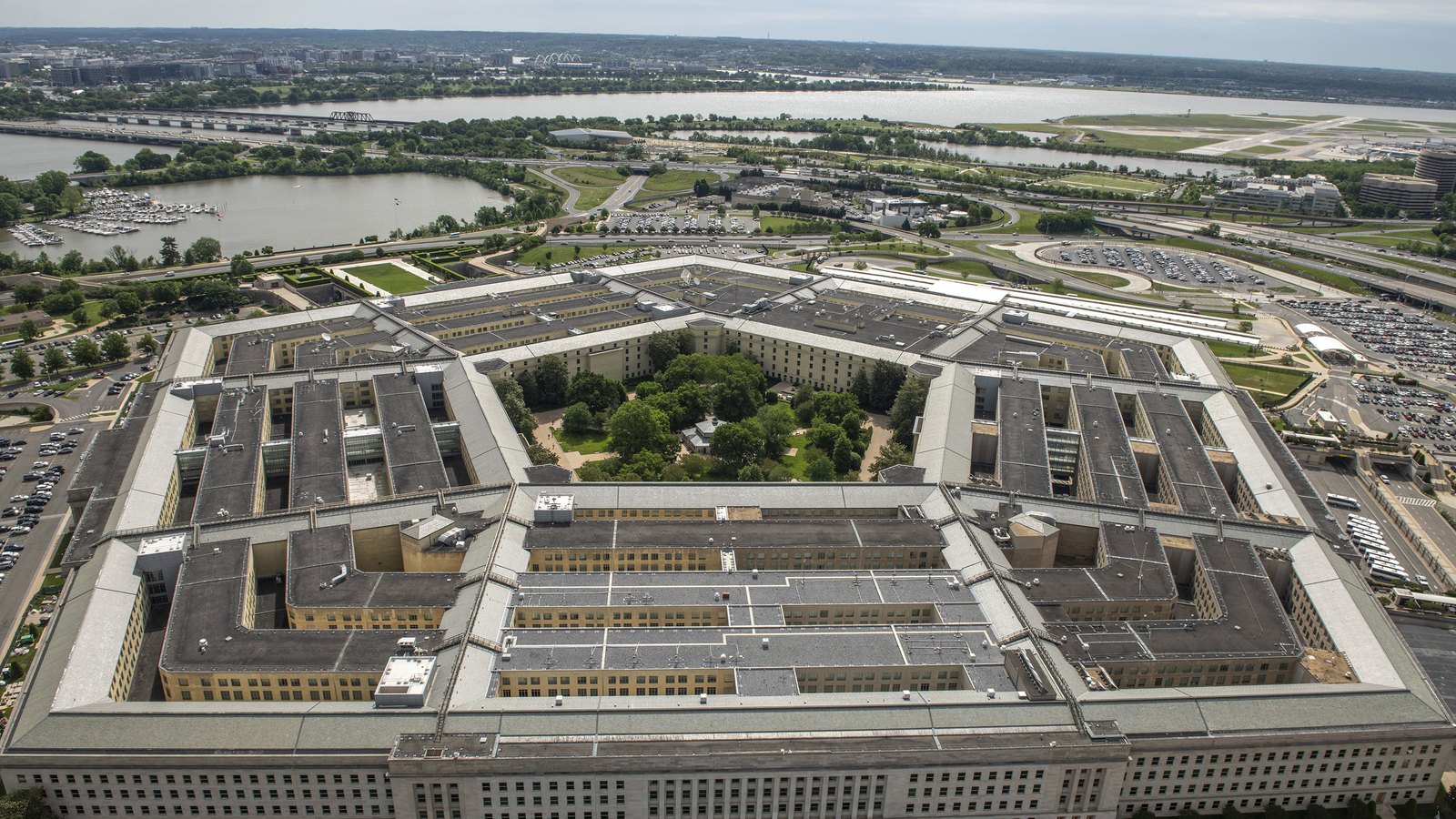
The U.S. Department of Defense published a formal notice on November 24, 2026, renewing the charter of the Defense Health Board as a discretionary federal advisory committee under the Federal Advisory Committee Act. Announced through Federal Register Notice 2026-23947, the two-year renewal authorizes the independent advisory panel to continue providing scientific, clinical, and healthcare policy recommendations to defense leadership and the Military Health System through late 2028.
Federal Register Notice Authorizes Board Renewal
The charter renewal, signed by Alternate OSD Federal Register Liaison Officer Aaron T. Siegel and managed by Department Advisory Committee Management Officer Jim Freeman, extends the advisory mandate of the Defense Health Board (DHB). Under Chapter 10 of Title 5 of the United States Code and Title 41 of the Code of Federal Regulations, the notice includes an agency Public Interest Determination certifying that the panel provides vital medical expertise not available elsewhere within the federal government. The Department maintains its official advisory committee listing on the GSA FACA Database to document federal compliance across defense advisory bodies.
Under the renewed charter, the DHB advises the Secretary of Defense, the Deputy Secretary of Defense, and the Under Secretary of Defense for Personnel and Readiness. Rather than focusing solely on active combat zones or weapon countermeasures, the DHB reviews the broader military healthcare benefit. Its mandate encompasses clinical care access, health system quality and safety, combat casualty care, and medical force readiness across active service members, military retirees, and their families. The public and scientific organizations may submit written statements to the board via Designated Federal Officer CAPT Shawn Clausen, U.S. Navy.
Operating Budget, Membership Caps, and Governance Rules
The Federal Register notice establishes specific budgetary limits and governance rules for the board. The Department projects annual operating costs of $1,369,539 to support the DHB. This funding covers dedicated federal personnel, contractor analytical support, logistical planning, and travel reimbursements. In accordance with Section 173 of Title 10 of the United States Code, appointed members serve without federal compensation, receiving only standard travel and per diem reimbursements for official committee business.
To maintain multidisciplinary balance, the charter caps parent board membership at no more than 20 individuals, with combined board and subcommittee membership limited to 50 members unless an exception is granted by the appointing authority. Candidates are selected based on professional credentials and leadership in at least one of seven core disciplines: clinical medicine, surgery, public health and preventive medicine, mental health, healthcare policy, safety and quality of care, or health technology.
| Governance Metric or Provision | Charter Allocation | Operational Scope and Authority |
|---|---|---|
| Total Annual Operating Budget | $1,369,539 | Total annual footprint including research contracts, personnel, and travel |
| Federal Personnel Support | 1.5 FTE ($422,044) | Full-time equivalent federal administrative and analytical staff |
| Contract Support and Supplies | $862,495 | Technical research studies, meeting logistics, and report drafting support |
| Reimbursable Travel and Per Diem | $85,000 | Travel expenses for parent board and subcommittee subject matter experts |
| Member Compensation | $0 (Uncompensated) | Volunteer service under 10 U.S.C. 173; travel reimbursement only |
| Parent Committee Membership Cap | Maximum 20 members | Core voting panel of clinicians, academics, and healthcare executives |
| Combined Committee and Subcommittee Cap | Maximum 50 members | Aggregate ceiling across the parent board and specialized subcommittees |
| Core Mandated Disciplines | 7 Scientific Fields | Medicine, surgery, public health, mental health, policy, quality, and technology |
Evolution from Battlefield Epidemiology to Modern Health Policy
The Defense Health Board traces its roots to the Army Epidemiological Board, founded in 1941 to combat infectious disease outbreaks among mobilised armed forces during World War II. Over subsequent decades, this advisory structure expanded to address battlefield trauma, occupational medicine, and environmental exposures. In 2006, the Department merged several health committees into the unified Defense Health Board to provide integrated advice across clinical medicine and defense health systems. Historical analyses by defense scholars and members of the Society for Military History have documented this transition from wartime epidemiological control to comprehensive health governance.
Since 2006, the DHB has delivered 73 major reports, with defense leadership adopting full or partial concurrence on more than 87 percent of their recommendations. Notable initiatives include the board’s reports on Prolonged Theater Care, which shaped military-civilian trauma partnerships and established trauma care training requirements for large-scale combat operations. Additionally, its assessments on Tactical Combat Casualty Care (TCCC) accelerated Department-wide battlefield trauma standards, solidifying prehospital casualty protocols that are now widely emulated across allied nations.
The board also produced influential analyses on modernizing the TRICARE health benefit through value-based payment models, expanding telehealth services across military treatment facilities, and developing ethical guidelines for military medical personnel. The latter initiative led directly to the establishment of the Defense Medical Ethics Center, ensuring formal ethics training across military medical commands.
Advisory Impact and Assessment from Defense and Research Communities
External defense analysts and research institutes frequently highlight the critical role of the board’s independent oversight. A study on combat casualty care by the RAND Corporation concluded that preparing for high-intensity conflicts requires the Military Health System to adapt point-of-injury care and expand civilian-military clinical integration. The RAND report noted that civilian trauma partnerships—consistently advocated by the DHB—are vital for keeping military surgical teams clinically proficient during peacetime.
A briefing by the Congressional Research Service highlights that the Military Health System manages a dual mission: ensuring force medical readiness while delivering comprehensive healthcare to 9.6 million eligible beneficiaries under Title 10 of the U.S. Code. Fulfilling this mission requires complex trade-offs among direct care hospitals, TRICARE contractor networks, and research allocations. The DHB provides civilian leaders with external, evidence-based perspectives necessary to navigate these competing priorities.
The board maintains public records of its deliberations, historical reports, and charter documentation on the official Health.mil Defense Health Board portal, allowing academic and healthcare stakeholders to track upcoming initiatives.
Implications for University Researchers and Academic Medical Centers
The charter renewal carries significant implications for university researchers, academic medical centers, and research administrators. Because the DHB frequently evaluates trauma protocols and clinical standards, its recommendations help shape extramural research priorities within the Defense Health Program and Congressionally Directed Medical Research Programs. Extramural investigators leading clinical studies must follow established protocols, including standard guidelines on how to cite a clinical trial and maintain trial registration transparency.
Furthermore, the board’s recommendations supporting military-civilian trauma integration offer sustained opportunities for university Level I trauma centers to host military surgical personnel. These partnerships facilitate joint research on trauma registries and combat casualty techniques. When university research offices navigate joint defense health projects, administrators often utilize streamlined pathways such as limited IRB review to ensure human subjects compliance and maintain protocol alignment when researchers apply for IRB approval across multi-center academic studies.
Charter Timeline and Upcoming Public Consultations
The renewed charter remains effective through November 2028 under the standard two-year FACA renewal cycle. The board will continue convening quarterly public meetings to deliberate on taskings, review subcommittee findings, and receive briefings from senior defense officials. Advance notices for these sessions are published in the Federal Register at least 15 days before each meeting, detailing agenda items and teleconference access for remote participation.
Healthcare organizations, professional societies, and academic institutions may submit written commentary or register for oral statements at upcoming meetings. Submissions are coordinated through Designated Federal Officer CAPT Shawn Clausen to ensure member review prior to final report publication.
Sources
- Federal Register: Charter Amendments, Establishments, Renewals and Terminations: Defense Health Board, checked 2026-11-24
- GSA FACA Database: Department of Defense Advisory Committees, checked 2026-11-24
- Health.mil: Defense Health Board, checked 2026-11-24
- RAND Corporation: Preparing for the Future of Combat Casualty Care: Opportunities to Refine the Military Health System’s Alignment with the National Defense Strategy, checked 2026-11-24
- Congressional Research Service: Defense Primer: Military Health System, checked 2026-11-24






