
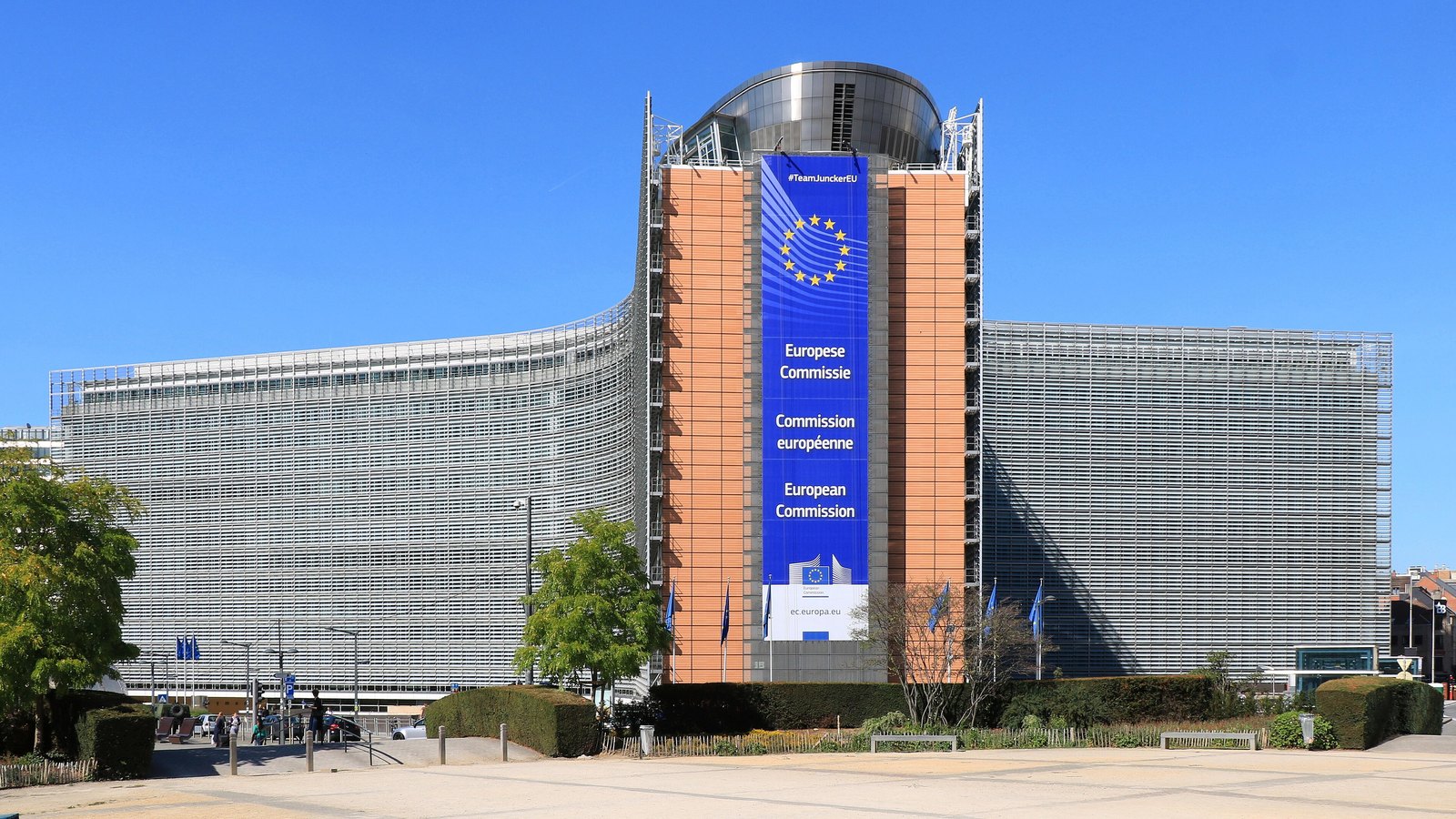
Representatives from European regional authorities, municipal governments, research institutes, and civil society convened in Dublin on November 24, 2026, as the European Commission and the Irish Presidency of the Council of the European Union held the Fifth Forum of the EU Mission on Adaptation to Climate Change. The high-level gathering focused on operationalizing regional resilience pathways, integrating spatial climate risk assessments, and expanding university-led research partnerships to protect vulnerable communities from escalating environmental hazards.
Regional Leaders and Researchers Convene at the Fifth Mission Forum in Dublin
The Fifth Forum of the EU Mission on Adaptation to Climate Change opened at the Dublin Royal Convention Centre on November 24, 2026, bringing together regional leaders, climate scientists, and European policymakers. Organized jointly by the European Commission and the Irish Presidency of the Council of the European Union, with support from Ireland’s Department of Climate, Energy and the Environment, the forum followed technical site visits across Dublin on November 23 showcasing municipal adaptation installations and Community of Practice workshops.
The discussions in Dublin addressed escalating climate disruptions documented across Europe. Independent reporting by Eunews highlighted data indicating that severe heatwaves during 2026 caused €113 billion in economic output losses across 30 European nations. Climate hazards, including intense riverine flooding and prolonged droughts, continue to damage critical infrastructure, prompting Commission officials to frame proactive adaptation as a core requirement for European economic security and industrial competitiveness.
Delegates noted that while damage from extreme events escalates, the global market for adaptation solutions is projected to quadruple to €3.5 trillion by 2050. The forum also aligned regional efforts with the European Commission’s newly presented EU Framework for Climate Resilience, which introduces a proposed European Climate Resilience Law to standardize regional climate risk assessments and embed resilience into capital investments.
Operational Parameters and the Regional Resilience Journey
The core mechanism evaluated in Dublin centers on the Mission Charter, which counts more than 300 regional and local signatories across Europe. Signatories commit to executing transformative adaptation pathways that align municipal planning with climate science. Horizon Europe consortia presented specialized toolkits designed to guide subnational authorities through hazard screening, vulnerability modeling, and investment roadmaps.
Consortium partners demonstrated tools from flagship initiatives, including the multi-hazard risk screening framework showcased by CLIMAAX, alongside the Pathways2Resilience regional journey and nature-based deployment blueprints from the CARDIMED Project. These tools integrate directly with Climate-ADAPT, the joint knowledge portal maintained by the European Commission and the European Environment Agency, ensuring downscaled climate indicators and decision aids remain openly accessible. Institutional leaders noted that structured climate resilience methodologies enable local councils to convert complex climate modeling into bankable municipal projects.
| Pillar / Mechanism | Lead Implementing Body | Target Milestone | Core Operational Function |
|---|---|---|---|
| EU Mission Charter | DG CLIMA and Mission Secretariat | At least 150 regions by 2030 | Political commitment to regional pathways and shared vulnerability reporting |
| CLIMAAX Risk Toolbox | Deltares and Horizon Consortium | Standardized multi-hazard screening | Harmonized risk assessment methodologies for local climate hazards |
| Pathways2Resilience | EIT Climate-KIC and Consortium | 100 funded regional pathways | Sub-grant allocations and systemic transition capability building |
| Climate-ADAPT Platform | DG CLIMA and European Environment Agency | Continuous data updates | Centralized European adaptation support tools and hazard indices |
| EU Climate Resilience Law | European Parliament and Council | Legislative adoption 2027 | Binding legal mandates for subnational risk planning and stress testing |
Evolution of European Climate Resilience Policy and Horizon Europe Missions
The EU Mission on Adaptation to Climate Change was launched in 2021 under Horizon Europe, the European Union’s flagship research framework detailed in the CASRAI Horizon Europe funding overview. Unlike conventional research grants focused primarily on basic science, Horizon Europe Missions operate as deployment-oriented instruments designed to achieve tangible systemic resilience in at least 150 European regions and communities by 2030.
Earlier forums in Brussels and San Sebastián focused on onboarding charter signatories. The Dublin forum reflected a shift toward deployment, demonstrating how regional authorities integrate satellite data from the Copernicus Climate Data Store with local hydrological models. Practical municipal applications were highlighted through the Dublin City Council Climate Change Action Plan, which integrates nature-based flood alleviation along the River Tolka and coastal flood defense retrofits around Dublin Bay.
Stakeholder Perspectives and Leadership Statements
Civic and European officials at the forum highlighted the necessity of empowering frontline administrations. Daryl Baron, Lord Mayor of Dublin, emphasized the role of local governments:
“Adapting to climate change has been a priority for local governments around the world. Daily, we see the challenges climate change is creating for the people we serve. Local governments have been at the forefront of implementing nature-based solutions, that not only protect our homes from flooding, fire, and storms, but create healthy environments for all of us to enjoy. Hosting the Fifth Forum of the EU Mission on Adaptation here in Dublin, as part of Ireland’s Presidency of the European Union, is an opportunity to celebrate the work of local and regional authorities, and to bring us together to strengthen our unity to combat climate change.”
Elina Bardram, EU Mission Manager and Director for Climate Resilience and Information Management at the European Commission, stressed execution:
“The EU Mission on Adaptation to Climate Change brings together the people and organisations helping Europe to prepare for the challenges ahead. Here in Ireland, we see an active community working to address climate risks that are affecting many regions across Europe, making this Forum a particularly valuable opportunity to showcase Ireland’s efforts, exchange experiences, and explore how we can replicate and scale-up solutions. The new EU Framework for Climate Resilience gives this work further momentum, raising the profile of resilience on the European agenda and strengthening efforts to anticipate and manage climate risks. This includes embedding resilience across policies and investment decisions, and mobilising the actors we need to deliver results. Together, we can turn shared experience into action.”
Implications for University Environmental Institutes and Research Offices
The Dublin forum carries direct operational consequences for university environmental research institutes and academic research offices. The Commission’s policy alignment under the Climate Resilience Framework guides upcoming Horizon Europe Work Programme calls for 2026 and 2027, requiring research offices to adapt their proposal strategies to emphasize co-design with regional authorities.
Research centers should target Mission Adaptation calls that mandate municipal partnerships as core eligibility criteria. Research offices can engage with Horizon Europe National Contact Points to build multi-actor consortia involving regional councils, civil protection units, and utility providers. Furthermore, universities must ensure data management compliance by structuring research outputs, local climate models, and vulnerability indicators according to FAIR principles for integration into the Climate-ADAPT portal.
Finally, research development staff should establish standardized collaboration templates for municipal living labs and demonstration pilots. Institutional agreements that clarify public land access, operational liability, and environmental sensor maintenance streamline university participation in Horizon Europe Innovation Actions testing nature-based urban interventions.
Upcoming Policy Milestones and Implementation Timelines
The Dublin forum sets the timeline for European climate resilience policy through 2027. The European Commission is preparing the legislative text of the European Climate Resilience Law for release in early 2027, initiating negotiations between the European Parliament and Council of the European Union. Regional authorities and academic associations will participate in stakeholder consultations defining binding risk-assessment standards.
Under Horizon Europe, the Commission will publish the next round of Mission on Adaptation to Climate Change calls under the 2027 Work Programme in spring 2027. Sub-granting calls through Pathways2Resilience and CLIMAAX will disburse dedicated technical support grants to new regional cohorts for local adaptation roadmap formulation. The Sixth EU Mission Forum will convene in late 2027 to evaluate progress across regional adaptation investment pipelines.
Sources
- European Commission: Representatives of European regions and local communities gather in Dublin to accelerate adaptation to climate change, checked 2026-11-25
- Eunews: The 5th EU Climate Adaptation Mission Forum in Dublin, checked 2026-11-25
- CLIMAAX: 5th Forum for the EU Mission on Adaptation to Climate Change, checked 2026-11-25
- Dublin City Council: Climate Change Action Plan, checked 2026-11-25
- CARDIMED Project: EU Mission Adaptation Forum 2026 In Dublin, checked 2026-11-25






