
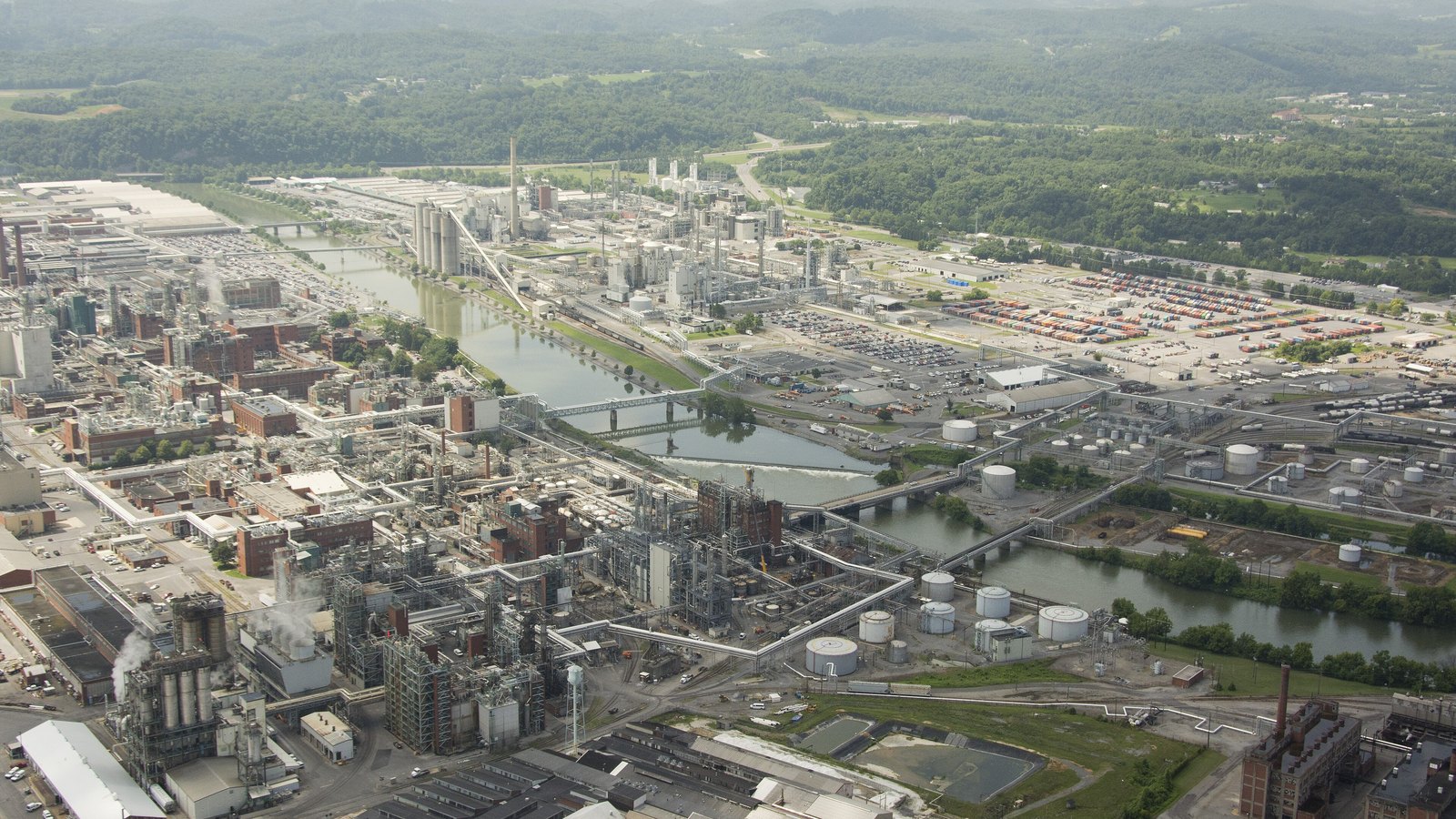
On November 23, 2026, the Foreign-Trade Zones Board officially opened a public docket on a manufacturing request from Primester GP to produce nonplasticized cellulose acetate flakes within Foreign-Trade Zone 204 in Kingsport, Tennessee, an administrative proceeding documented in Federal Register notice 2026-23805 that directly affects upstream polymer supplies and research reagent pricing for university laboratories.
FTZ Board Initiates Review of Kingsport Chemical Manufacturing Notice
The federal proceeding centers on an October 23, 2026 notification submitted by chemical manufacturer Primester GP, a general partnership operating a major synthetic materials complex in Kingsport, Tennessee. Operating under the sponsorship of the Tri-Cities Airport Authority, grantee of Foreign-Trade Zone 204, Primester submitted its proposed production activity pursuant to 15 CFR Part 400, the regulatory framework governing foreign-trade zones in the United States. Under Docket B-144-2026, the Foreign-Trade Zones Board—an interagency body led by the U.S. Department of Commerce and the Department of the Treasury—is assessing whether authorizing special zone procedures at the Sullivan County facility serves the public interest and complies with national trade remedy statutes.
According to the official filing, Primester seeks authority to convert foreign-status high-purity dissolving wood pulp into nonplasticized cellulose acetate flakes. The regulatory filing establishes a standard 40-day public comment window running through January 4, 2027. Under federal foreign-trade zone rules, production activity within a zone cannot commence or expand without prior review by the Board, ensuring that domestic manufacturers and competing supply-chain stakeholders can evaluate potential market distortions before customs exemptions take effect.
Tariff Classification, Inverted Duties, and Trade Remedy Constraints
A central economic driver of the Primester notification is the tariff relationship between raw precursor materials and finished biopolymer flakes. In international commerce, high-purity dissolving wood pulp enters the United States on a duty-free basis under general Harmonized Tariff Schedule provisions. In contrast, finished nonplasticized cellulose acetate flakes carry an ad valorem customs duty rate of 5.6 percent when entered for domestic consumption. Operating under zone procedures outlined in 19 U.S.C. 81c allows domestic manufacturers to elect tariff treatment at the time goods leave the zone, eliminating duties on foreign inputs incorporated into products that are subsequently exported, while deferring duties on domestic shipments.
However, the Board notification specifies stringent trade remedy controls. High-purity wood pulp imported from Brazil or Norway is subject to active antidumping and countervailing duty orders. To safeguard domestic trade enforcement, Board regulations under 15 CFR 400.13(c)(2) mandate that any imported wood pulp subject to AD/CVD proceedings must be admitted to FTZ 204 in privileged foreign status, preventing companies from using foreign-trade zone status to circumvent trade remedy orders. Similarly, wood pulp originating from jurisdictions subject to Section 301 tariffs under the Trade Act of 1974 must enter under privileged foreign status pursuant to customs regulations, locking in the statutory tariff rate at the moment of admission.
| Filing Parameter | Statutory Citation / Value | Operational and Compliance Mandate |
|---|---|---|
| Federal Register Docket | 91 FR 75493 (Doc. 2026-23805) | Docket B-144-2026 formally opened on November 23, 2026 |
| Facility Location & Zone Grantee | FTZ 204, Kingsport, TN | Tri-Cities Airport Authority grantee supervision |
| Foreign-Status Raw Material | High-Purity Wood Pulp (0.0% Duty) | Must enter in privileged foreign status if from Brazil or Norway |
| Finished Output Product | Cellulose Acetate Flakes (5.6% Duty) | Nonplasticized synthetic flake formulation |
| Regulatory Authority | 15 CFR 400.22 & 15 CFR 400.14(b) | Notification review for proposed manufacturing activity |
| Customs Privilege Requirement | 19 CFR 146.41 & 15 CFR 400.13(c)(2) | Precludes duty inversion on Section 301 and AD/CVD entries |
| Public Comment Deadline | January 4, 2027 | Submissions directed to the FTZ Board Executive Secretary |
Cellulose Acetate Chemistry and Industrial Supply Chains
Cellulose acetate represents one of the earliest and most versatile synthetic biopolymers, produced through the esterification of purified dissolving wood pulp with acetic anhydride and acetic acid in the presence of a sulfuric acid catalyst. The resulting flakes serve as the primary chemical intermediate for spinning textile filament yarn, casting optical-grade films, and forming high-porosity filtration membranes. Academic materials scientists and chemical engineers study cellulose acetate extensively for its high mechanical rigidity, biocompatibility, optical clarity, and tunable semi-permeability.
The Kingsport chemical complex has historically maintained integrated synthesis capabilities, relying on regional and global timber and pulp logistics to supply acetyl chemistry facilities. The administrative oversight provided by the Foreign-Trade Zones Board coordinates with regional port authorities to ensure that U.S. processing plants maintain parity with foreign chemical conglomerates that source dissolving pulp globally. When international trade friction escalates—such as the imposition of retaliatory Section 301 duties and international anti-dumping tariffs—chemical manufacturing facilities require specialized customs arrangements to maintain high-throughput processing without incurring crippling administrative friction.
Customs Supervision and Regulatory Enforcement Landscape
Regulatory compliance within foreign-trade zones requires continuous coordination between Commerce Department officials and border authorities. As documented by U.S. Customs and Border Protection, foreign-trade zones remain under the direct security supervision and inventory tracking of CBP port directors. Merchandise admitted into a zone is tracked through automated inventory control and recordkeeping systems to ensure that privileged foreign components do not mix improperly with non-privileged domestic inputs.
Customs counsel and trade policy analysts note that the Board’s strict application of 15 CFR 400.13(c)(2) reflects an established administrative consensus against allowing FTZ zones to undermine domestic anti-dumping defenses. By demanding privileged foreign status for timber derivatives from Brazil and Norway, the Board ensures that anti-dumping penalties apply in full to any finished flakes transferred into U.S. customs territory for domestic consumption, preventing domestic processing from functioning as a tariff shelter.
Impacts on Academic Procurement, Polymer Labs, and Compliance
While foreign-trade zone filings are primarily industrial trade proceedings, their supply-chain consequences ripple directly into academic research infrastructure and institutional compliance offices. University polymer chemistry departments, membrane filtration laboratories, and environmental engineering facilities depend heavily on cellulose acetate derivatives. Microporous filtration discs, dialysis tubing, tangential-flow ultrafiltration cassettes, and electrophoresis matrices routinely incorporate cellulose acetate flakes as their primary structural medium. Shifting tariff burdens and industrial manufacturing authorizations influence bulk resin pricing, vendor catalog costs, and chemical supply continuity for research institutions.
University research administrators managing specialized research operations face overlapping compliance mandates when procuring and utilizing industrial chemicals. Laboratory teams working with complex chemical formulations must review toxicological profiles and safety evaluations, aligning experimental procedures with published literature such as Food and Chemical Toxicology frameworks to ensure that laboratory personnel handling raw flake solutions and solvent matrices maintain appropriate exposure controls. Furthermore, university inventory coordinators operating centralized chemical stockrooms must navigate wholesale supply distribution and hazardous chemical management standards reminiscent of state distribution oversight detailed in 21 CFR Part 205 guidelines.
From an institutional trade compliance perspective, research universities frequently handle imported equipment and specialized analytical replacement parts for pilot-plant research. University export control officers routinely coordinate customs exceptions under License Exception RPL when returning defective scientific hardware or importing foreign subassemblies for non-profit laboratories. Similarly, institutional oversight panels establishing research protocols must verify that materials testing and chemical evaluation projects adhere to strict non-human subject research boundaries under institutional NHSR determination criteria, preventing regulatory lapses when testing commercial biopolymer membranes in university core facilities.
Public Comment Timeline and Next Regulatory Steps
The Foreign-Trade Zones Board has designated Executive Secretary Colin Agostisi to receive written submissions on the Kingsport filing through January 4, 2027. Interested parties, including competing chemical producers, university trade policy centers, and materials research consortia, may submit comments via electronic mail to the Board’s official portal. Submissions must address whether the proposed manufacturing activity generates net economic benefits for the domestic economy and whether the proposed safeguards against tariff inversion on protected pulp imports are sufficient.
Following the conclusion of the public comment period, the FTZ Board will conduct an administrative review to determine whether to authorize production activity under 15 CFR 400.14(b). If authorized, Primester will be permitted to admit eligible dissolving wood pulp into FTZ 204 under the designated customs procedures, subject to periodic compliance audits and mandatory CBP reporting requirements throughout the operational lifespan of the manufacturing facility.
Sources
- Federal Register: Foreign-Trade Zone (FTZ) 204, Notification of Proposed Production Activity; Primester GP; (Nonplasticized Cellulose Acetate Flakes); Kingsport, Tennessee, checked 2026-11-28
- Electronic Code of Federal Regulations: 15 CFR Part 400 — Regulations of the Foreign-Trade Zones Board, checked 2026-11-28
- Cornell Law School Legal Information Institute: 19 U.S. Code § 81c — Exemption from customs laws of merchandise brought into foreign trade zone, checked 2026-11-28
- International Trade Administration: Foreign-Trade Zones Board, checked 2026-11-28
- U.S. Customs and Border Protection: About Foreign-Trade Zones and Contact Info, checked 2026-11-28






