

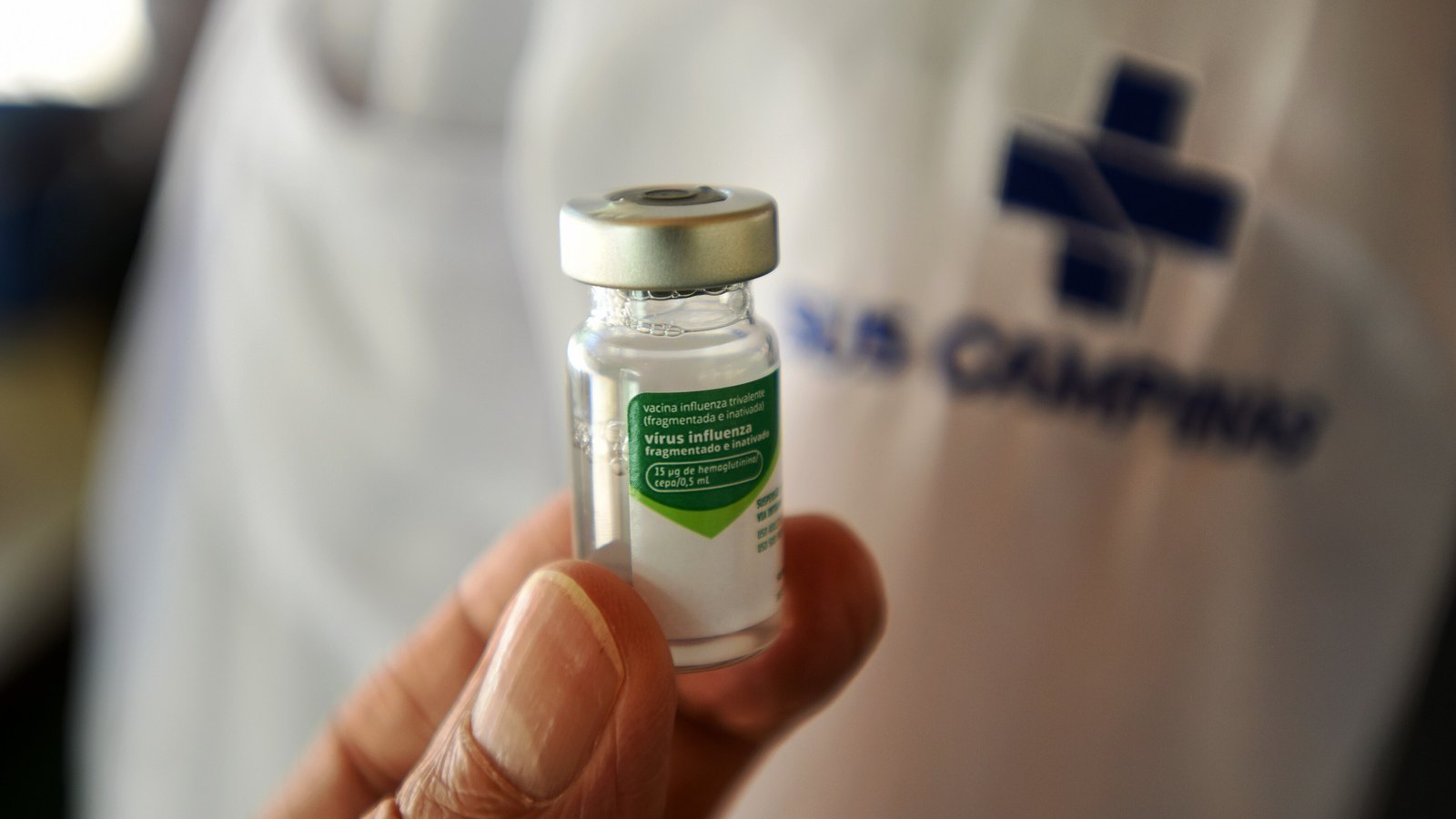
On November 26, 2026, the UK Health Security Agency published its latest weekly winter virus surveillance data alongside official monthly vaccine uptake statistics for England, documenting a sharp 80 percent rise in influenza hospital admissions and concerningly sluggish immunisation rates across frontline health workers and preschool children that affect university health faculties and clinical trial capacity.
Surveillance Findings and Viral Circulation Trends
The national surveillance bulletin published on November 26, 2026, covers epidemiological returns for week 47 (ending November 22, 2026) across England, marking a decisive shift in the 2026–2027 winter illness season. Agency epidemiologists confirmed that influenza has crossed above baseline seasonal thresholds, entering moderate circulation intensity driven primarily by influenza A strains, including A(H1N1)pdm09 and A(H3N2) subtypes, alongside sporadic influenza B detections. Laboratory surveillance positivity from primary care sentinel swabbing and hospital networks increased to 17.8 percent, up from 11.5 percent in week 46.
Hospitalisation metrics reflected acute operational pressure across NHS trusts. The overall weekly influenza hospital admission rate rose from 5.03 per 100,000 population in week 46 to 8.98 per 100,000 in week 47, an increase of nearly 80 percent. Intensive care and high dependency unit (ICU/HDU) admissions for influenza followed a matching upward trend. Concurrently, COVID-19 activity rose modestly, with laboratory test positivity reaching 7.1 percent and hospitalisations increasing to 2.96 per 100,000. Respiratory syncytial virus (RSV) positivity climbed to 6.9 percent, generating a hospital admission rate of 2.34 per 100,000 that concentrated heavily in children under five years of age.
Comparative Epidemiological Indicators and Vaccine Uptake
Alongside weekly syndromic data, the agency published comprehensive monthly uptake statistics through its national flu and COVID-19 surveillance reports series, capturing cumulative immunisations delivered across general practice registers, school teams, and occupational health services through late November 2026. The returns revealed marked uptake gaps across vulnerable cohorts.
| Pathogen / Surveillance Metric | Week 46 (Prior Week) | Week 47 (Reported Week) | Recorded Uptake / Direction |
|---|---|---|---|
| Influenza Laboratory Positivity | 11.5% | 17.8% | Rising (+6.3 percentage points) |
| Influenza Hospital Admission Rate | 5.03 per 100,000 | 8.98 per 100,000 | Surging (+78.5% increase) |
| COVID-19 Laboratory Positivity | 6.7% | 7.1% | Low, upward trajectory |
| COVID-19 Hospital Admission Rate | 2.29 per 100,000 | 2.96 per 100,000 | Moderate increase |
| Respiratory Syncytial Virus (RSV) Positivity | 5.1% | 6.9% | Pediatric concentration |
| Vaccine Uptake: Adults Aged 65 and Over | — | 67.6% cumulative | Trailing optimal target |
| Vaccine Uptake: Clinical Risk Groups (Under 65) | — | 34.1% cumulative | Significantly lagging past seasons |
| Vaccine Uptake: Children Aged 2 and 3 | — | 37.0% cumulative | Substantial protection gap |
While nearly two-thirds of adults aged 65 and older completed their seasonal flu vaccination, uptake among individuals aged six months to under 65 years with clinical risk conditions reached only 34.1 percent. Uptake among two- and three-year-olds receiving the nasal spray vaccine reached 37.0 percent, leaving over 60 percent of eligible preschoolers unprotected. Uptake among frontline health and care workers also trailed past campaign benchmarks, elevating occupational transmission risks during winter clinical delivery.
Sentinel Surveillance Networks and International Alignment
Respiratory disease surveillance in England relies on an integrated architecture connecting general practice electronic records, regional virology laboratories, and acute trust syndromic reporting. Sentinel primary care swabbing is overseen by the Royal College of General Practitioners Research and Surveillance Centre, which coordinates hundreds of practices collecting pseudonymised consultation data to establish community incidence curves and identify emergent antigenic mutations.
These national data feeds integrate directly into international surveillance structures. The UK routinely submits genomic and antigenic data to the World Health Organization Global Influenza Surveillance and Response System, informing biannual recommendations on seasonal vaccine compositions. Regional coordination proceeds through technical alignment with the European Centre for Disease Prevention and Control, maintaining harmonized surveillance definitions for severe acute respiratory infections and laboratory quality control.
Findings from these networks regularly appear in peer-reviewed channels, including epidemiological assessments published in Eurosurveillance, tracking seasonal vaccine effectiveness and viral drift. Secondary syndromic data for weeks 46 and 47 also noted enteric pathogen activity: norovirus laboratory reports exceeded the five-season average by 11.7 percent, predominantly characterized as genogroup 2 genotype GII.4[P16], while rotavirus activity remained 32.4 percent above baseline despite recent weekly declines.
Healthcare System Response and Clinical Leadership Warnings
Public health leaders issued urgent notices following the data release. Dr Ellen Fragaszy, Lead Epidemiologist at the UK Health Security Agency, highlighted that flu cases are climbing rapidly with hospital admissions rising by almost 80 percent in one week. She noted that while vaccines do not eliminate transmission, they substantially lower severe illness and hospitalisation risks, urging parents of eligible preschoolers and clinical risk patients to book vaccinations without delay.
Addressing enteric infections, Amy Douglas, Lead Epidemiologist for gastrointestinal pathogens, noted that norovirus notifications are rising fastest in young children. She reminded care providers and schools that alcohol gels do not neutralize norovirus, making thorough handwashing with soap and warm water essential. NHS clinical leaders noted that low immunisation rates among frontline staff compound winter workforce pressures as inpatient respiratory admissions escalate.
Operational Implications for Research Institutions and Clinical Trials
The surge in winter viral activity and lagging immunization rates create operational and compliance priorities for academic medical centres, university life sciences departments, and trial sponsors:
- Clinical Research Facility Resilience: With influenza hospitalisations reaching 8.98 per 100,000, academic health science centres face potential redeployment of clinical research nurses to acute clinical services. Research offices must review trial continuity plans, ensure screening for respiratory symptoms among study subjects, and minimize nosocomial exposure risks for immunocompromised clinical trial participants.
- In Vitro Diagnostic Assay Evaluation: Academic laboratories validating point-of-care viral diagnostic devices under ISO 20916 clinical performance standards should leverage expanding community viral transmission to collect prospective, characterized clinical specimens across circulating influenza A, COVID-19, and RSV strains.
- Surveillance Data Governance: University epidemiology groups utilizing sentinel primary care records or registry extracts must ensure regulatory compliance. Institutional research offices should formalize a non-human subjects research determination where studies use de-identified surveillance data under existing public health exemptions and data use agreements.
- Clinical Trainee Immunisation Compliance: Medical and nursing faculties must audit seasonal influenza and COVID-19 vaccination coverage among health professions students entering clinical rotations, ensuring student adherence to trust occupational health standards.
- Health Technology Assessment Evidence: Test-negative case-control studies derived from sentinel surveillance will generate empirical effectiveness data for health economists supporting health technology assessment submissions and national immunization committee evaluations.
Surveillance Calendars and Forthcoming Reporting Milestones
The UK Health Security Agency will continue issuing weekly winter surveillance updates each Thursday at 14:00 UTC throughout the winter season. The next weekly surveillance release is set for December 3, 2026. The next monthly seasonal influenza and COVID-19 vaccine uptake statistical release, capturing cumulative data through late November, will publish on December 24, 2026. Research governance teams and trial coordinators should track these weekly releases to manage clinical trial staffing and protocol delivery through the winter peak.
Sources
- UK Health Security Agency: Latest weekly winter virus surveillance data, checked 2026-11-26
- UK Health Security Agency: National flu and COVID-19 surveillance reports: 2026 to 2027 season, checked 2026-11-26
- Royal College of General Practitioners: Research surveillance centre, checked 2026-11-26
- World Health Organization: Global Influenza Surveillance and Response System (GISRS), checked 2026-11-26
- European Centre for Disease Prevention and Control: Objectives for integrated surveillance of respiratory viruses at EU level, checked 2026-11-26






