
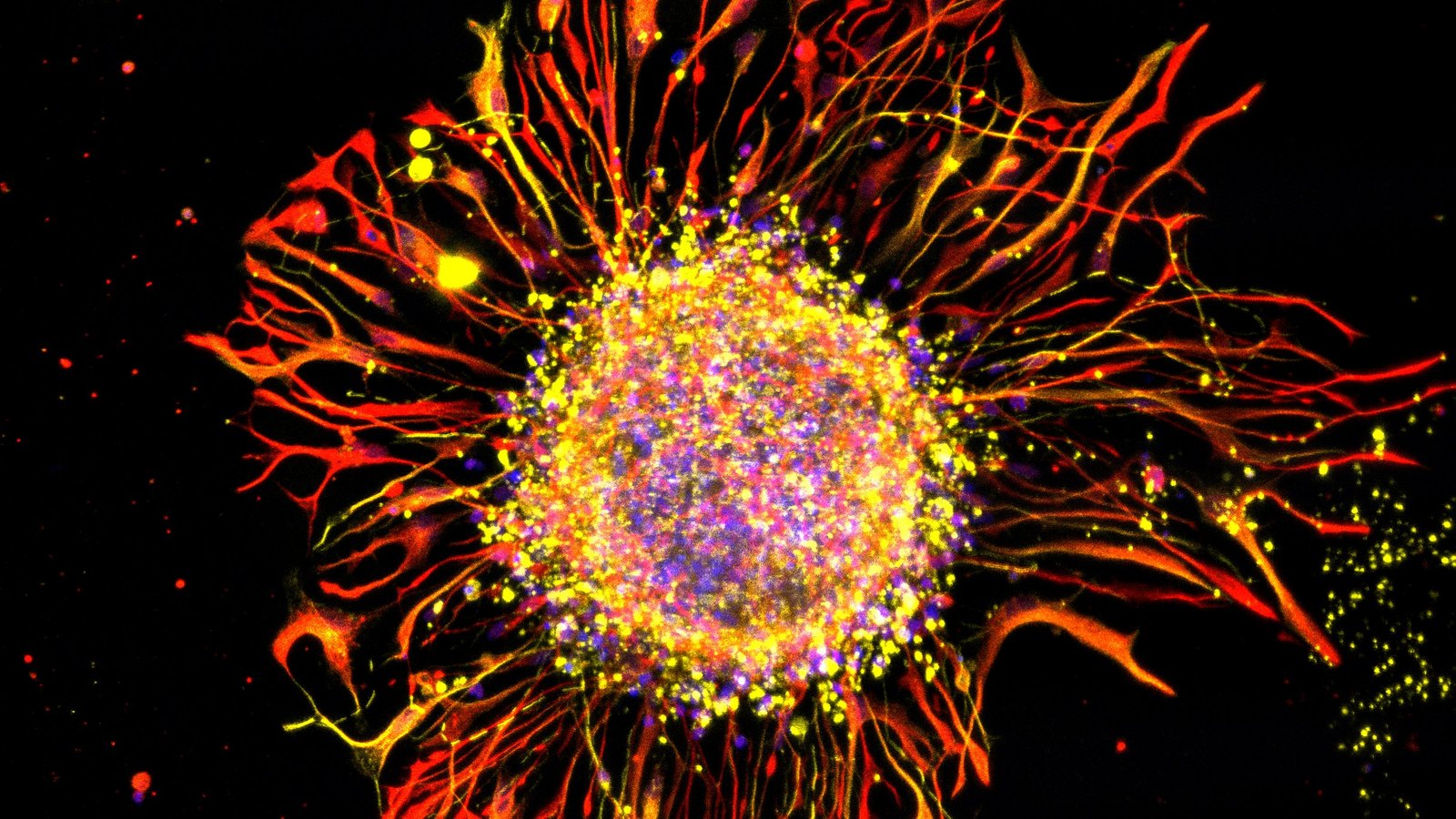
On November 24, 2026, researchers at the University of Sydney published a preclinical study in Advanced Science demonstrating that non-invasive intranasal drops containing messenger RNA packaged in lipid nanoparticles can reverse age-related memory decline and prevent cognitive deficits in mouse models of Alzheimer’s disease. The platform establishes an olfactory delivery route to bypass the blood-brain barrier, providing translational laboratories with a non-invasive neuroprotein delivery mechanism.
Preclinical Findings on Intranasal mRNA Delivery to the Brain
The research, directed by Professor Greg Neely and first author Dr. Maria Bergamasco at the University of Sydney’s Charles Perkins Centre, demonstrates that administering messenger RNA (mRNA) encapsulated in lipid nanoparticles (LNPs) via the nasal cavity turns local mucosal cells into transient bioreactors. According to The University of Sydney, these mucosal cells express functional brain-derived neurotrophic factor (BDNF), a critical neurotrophin that traverses the olfactory and trigeminal nerve pathways directly into central nervous system tissues without requiring intravenous infusion or intracranial injection.
In experiments utilizing aged murine cohorts suffering from normal senescent cognitive decline, animals treated with regular intranasal mRNA-LNP drops demonstrated substantial cognitive gains across a battery of standardized behavioral assays. Treated aged mice exhibited spatial navigation, working memory, and novel object recognition performance equivalent to youthful adult controls. Neuropathological assessments conducted in conjunction with the Sydney Imaging Facility revealed stimulated adult neurogenesis in the dentate gyrus of the hippocampus, characterized by elevated doublecortin-positive cell counts that correlated with restored synaptic resilience.
Nanoparticle Architecture, Biodistribution, and Cognitive Metrics
The delivery vector adapts a lipid nanoparticle formulation derived from the clinically established BioNTech mRNA platform used during the COVID-19 pandemic. Rather than presenting viral antigens to elicit systemic immune responses, the synthetic transcript encodes full-length mammalian BDNF engineered for rapid post-transcriptional expression. Quantitative biodistribution and bioluminescence assays confirmed that topically applied LNPs transfect nasal respiratory and olfactory epithelial layers, driving sustained BDNF secretion across the cribriform plate and into basal forebrain regions over a 96-hour window following a single administration.
The platform was further evaluated in humanized 5XFAD transgenic mice, an established laboratory strain that carries five familial Alzheimer’s disease mutations. In typical untreated controls, robust amyloid-beta plaque deposition manifests by two months of age, followed by severe memory impairment by four months. When twice-weekly intranasal mRNA-LNP therapy was initiated at two months of age, 5XFAD mice exhibited complete preservation of cognitive performance at four months, matching non-transgenic littermates in Y-maze spontaneous alternation and Barnes maze spatial learning trials as reported by ScienceDaily.
| Evaluation Parameter | Preclinical Model Cohort | Baseline / Untreated Control | Intranasal mRNA-LNP Outcome |
|---|---|---|---|
| Spatial Learning and Memory | Aged C57BL/6 Mice (20+ months) | Severe age-associated latency deficits in maze navigation | Restored to baseline performance comparable to young adult mice |
| Hippocampal Neurogenesis | Aged Murine Dentate Gyrus | Marked decline in immature neuronal markers | Significant increase in doublecortin-positive immature neurons |
| Cognitive Disease Progression | 5XFAD Transgenic Alzheimer’s Mice | Severe behavioral and spatial collapse manifest at 4 months | Cognitive decline halted following twice-weekly prophylactic dosing |
| Extracellular Plaque Burden | 5XFAD Cortex and Hippocampus | Dense extracellular amyloid-beta plaque deposition | Plaques persist unchanged; neuroprotection bypasses plaque clearance |
| Murine Systemic Safety | Wild-Type and Transgenic Cohorts | Standard physiological monitoring baseline | No systemic weight loss, organ pathology, or acute inflammation |
Overcoming Blood-Brain Barrier Obstacles in Neurotrophic Factor Delivery
Delivering therapeutic macromolecules into the central nervous system has long represented a formidable barrier in neuropharmacology. The blood-brain barrier excludes more than 98 percent of small-molecule drugs and virtually all large neurotrophic proteins, while recombinant BDNF administered systemically suffers from a plasma half-life of under ten minutes and cannot effectively penetrate cerebral microvasculature. Past clinical efforts relying on direct intraparenchymal catheterization or viral vector gene therapy faced severe procedural morbidity and irreversible genomic integration risks.
By repurposing the non-immunogenic LNP architecture to turn the nasal mucosa into an in situ factory, the University of Sydney protocol achieves localized paracrine delivery. As highlighted by Bioengineer.org, the mucosal cells translate the mRNA and continuously export active neurotrophic factor directly into the cerebrospinal fluid and olfactory bulb perineural spaces. Crucially, immunohistochemical staining revealed that while cognitive faculties were protected in 5XFAD mice, the physical burden of amyloid-beta plaques remained unchanged, illustrating that neurotrophic support can preserve functional synaptic transmission even in the presence of established histological disease hallmarks.
Investigator Insights and Preclinical Trial Observations
Professor Neely noted that the study drew initial conceptual inspiration from Daniel Keyes’ classic science fiction work Flowers for Algernon, exploring the biological limits of cognitive enhancement. In evaluating clinical relevance, Neely pointed out that human neuropathological data regularly identify asymptomatic older adults who harbor extensive amyloid-beta pathology without manifesting dementia symptoms. These resilient individuals frequently demonstrate elevated endogenous BDNF expression, suggesting that augmenting neurotrophic signaling provides a viable pathway to sustain cognitive health despite ongoing neurodegenerative pathology.
Lead author Dr. Maria Bergamasco emphasized that validating the mRNA platform in syngeneic mouse models and transgenic lines highlights the versatility of synthetic transcript delivery beyond infectious disease vaccines. As documented by News-Medical, the non-invasive route sidesteps complex neurosurgical delivery, making repetitive chronic dosing feasible in preclinical protocols without inducing the behavioral stress or mucosal ulceration that frequently complicates chronic intranasal delivery regimens.
Implications for Translational Research Facilities, Animal Care, and Tech Transfer
For university research administration offices, vivarium facilities, and technology licensing teams, the Sydney study provides clear operational benchmarks. Institutional Animal Care and Use Committees (IACUC) and university ethics bodies evaluating intranasal nanoparticle protocols must review specific safety metrics, including mucociliary clearance integrity, respiratory epithelial histology, and systemic biodistribution to peripheral clearance organs such as the liver and spleen. The project was conducted under the Australian Code for the Care and Use of Animals for Scientific Purposes, with formal ethics clearance granted by the University of Sydney Animal Ethics Committee.
From an intellectual property standpoint, Professor Neely and Dr. Bergamasco have executed a provisional patent application covering the formulation, lipid composition ratios, and intranasal administration method. University technology transfer managers will recognize the commercialization strategy: protecting the platform delivery mechanism enables licensing across multiple neurodegenerative indications, including vascular dementia, traumatic brain injury, and ischemic stroke. Funding for the development was assembled through competitive government grants, including awards from the National Health and Medical Research Council (NHMRC) and the NSW Ministry of Health, complemented by competitive funding schemes detailed in our analysis of ARC grants schemes and calendar opportunities, alongside sustained philanthropic backing from the Dr. John and Anne Chong Lab for Functional Genomics.
Safety Studies, Formulation Optimization, and Clinical Translation Milestones
The research team has outlined a structured translational roadmap to progress the formulation from rodent proof-of-concept toward human clinical investigation. Because rodent nasal cavities possess a significantly larger surface area relative to body mass than human nasal anatomy, delivery efficiency cannot be assumed to scale linearly. Future preclinical work will evaluate atomized spray delivery devices, aerosol deposition profiles, and long-term toxicity in higher mammalian models to ensure that repeated mucosal exposure does not trigger local olfactory epithelial remodeling or neuroinflammation.
The investigators anticipate initiating formal first-in-human trials within two years, contingent on completing Good Laboratory Practice (GLP) toxicology packages and securing regulatory clearance. Clinical trial sponsors in Australia will likely leverage established regulatory mechanisms, navigating early exploratory cohorts through the TGA CTN and CTA clinical trial schemes in Australia before advancing to multi-center trials structured across standardized clinical trial phases. Such studies will examine whether non-invasive neurotrophic gene delivery can function as an adjunctive therapy alongside approved monoclonal antibodies to stabilize cognitive function in patients living with early-stage neurodegenerative disease.
Sources
- Advanced Science: Non-invasive Bdnf mRNA therapy improves cognition in ageing and Alzheimer’s mouse models, checked 2026-11-26
- The University of Sydney: Experimental nose drops tested in mice could prevent Alzheimer’s, checked 2026-11-26
- ScienceDaily: New nose drops restore youthful memory and fight Alzheimer’s in aging mice, checked 2026-11-26
- Bioengineer.org: Nasal BDNF mRNA Drops Improve Cognition in Aged and Alzheimer’s Mice, checked 2026-11-26
- News-Medical: Experimental mRNA nose drops reverse memory loss in mice, checked 2026-11-26






