
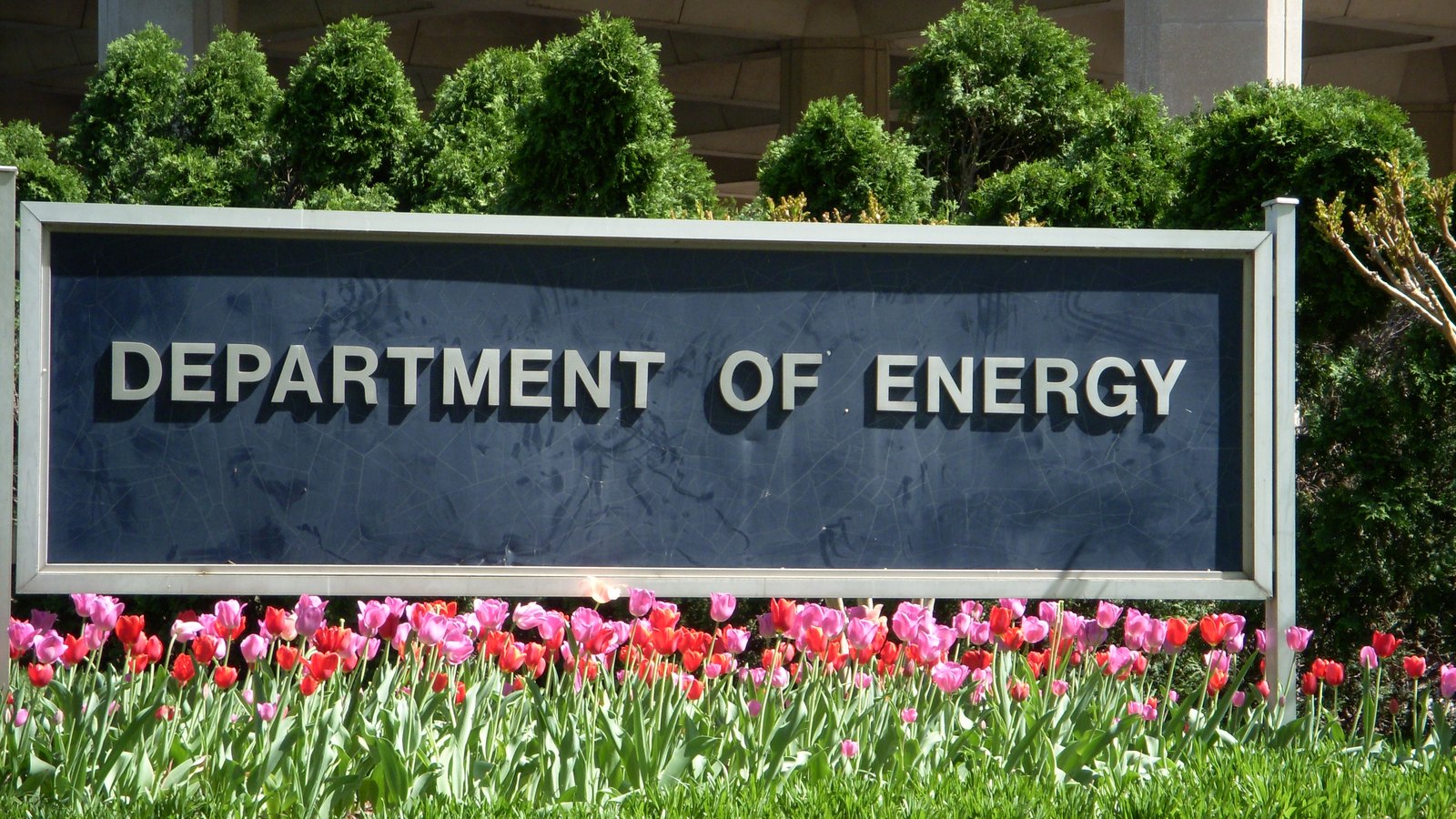
On November 19, 2026, U.S. Secretary of Energy Chris Wright and Polish Minister of Energy Miłosz Motyka concluded the Seventh Partnership for Transatlantic Energy Cooperation ministerial forum in Warsaw by issuing the P-TEC 2026 Chair Statement, an official bilateral and multilateral roadmap committing twenty-four European nations, the European Commission, and the United States to accelerate commercial civil nuclear deployment, cross-border grid cybersecurity, liquefied natural gas infrastructure, and transatlantic engineering workforce pipelines.
What happened at the Seventh P-TEC Ministerial
The ministerial forum in Warsaw, held on November 18–19, 2026, convened government delegations, transmission system operators, commercial energy executives, and academic leaders from across Central and Eastern Europe. Co-convened by the Polish Ministry of Energy, the U.S. Department of Energy, and the Atlantic Council Global Energy Center, the summit marked the largest gathering in P-TEC’s history. Participating governments affirmed the strategic role of transatlantic energy cooperation in advancing national security, industrial competitiveness, and access to affordable power. The joint statement emphasized national sovereignty in selecting power mixes, adherence to technological neutrality, and the elimination of reliance on coercive energy suppliers.
Ministers recognized that regional stability requires firm, dispatchable baseload generation capable of withstanding supply disruptions. The communique identified civil nuclear energy and natural gas as essential pillars for grid reliability and industrial continuity. In addition to policy declarations, the Warsaw ministerial served as an operational platform for commercial transactions, cross-border financing agreements, and international consortia modeled on formal bilateral science and technology cooperation agreements between American and European partners.
Key civil nuclear, grid, and infrastructure commitments
Commercial and institutional partners finalized several agreements during the summit, establishing operational milestones across civil nuclear energy, academic exchanges, and regional grid resilience:
- Commercial Nuclear Plant Procurement: Polish state utility Polskie Elektrownie Jądrowe (PEJ) signed a letter of intent with the Westinghouse-Bechtel consortium to expand the Engineering Development Agreement for Poland’s first nuclear power station at Lubiatowo-Kopalino, as reported by World Nuclear News. The agreement covers long-lead item procurement for three Westinghouse AP1000 reactors, engaging Polish manufacturers including Mostostal Kielce (CA02 wall modules), Energomontaż-Północ Gdynia (CA03 structural modules), and Mostostal Kraków (CA05 modules).
- Transatlantic Academic and Technical Workforce Consortium: Bechtel, Gdańsk University of Technology, and the University of South Carolina’s Molinaroli College of Engineering and Computing executed a Memorandum of Cooperation, reported by Bechtel. Backed by the Bechtel Nuclear Energy Workforce Development Fund, the initiative creates joint curricula, internships, and faculty research exchanges to prepare specialized engineers for both Poland’s nuclear buildout and U.S. reactor operations.
- Regional Small Modular Reactor and Fuel Diversification: Regional partners advanced decentralized nuclear deployment across southeastern Europe, detailed by Balkan Green Energy News. Warsaw developer SGE, Bulgarian utility National Electricity Company (NEK), and Blue Bird Energy established a cooperative framework for GE Vernova Hitachi BWRX-300 Small Modular Reactors (SMRs). In parallel, Romania confirmed expansion plans for Cernavodă Units 3 and 4, while Bulgaria outlined its transition away from Russian nuclear fuel to Westinghouse and Framatome assemblies at Kozloduy.
The ministerial commitments link physical construction, regulatory approvals, and workforce investments across the transatlantic corridor:
| Initiative Domain | Lead Organizations | Technology / Scope | Strategic and Research Focus |
|---|---|---|---|
| Large-Scale Civil Nuclear | PEJ, Westinghouse, Bechtel | Three AP1000 reactors at Lubiatowo-Kopalino | Long-lead item procurement, localized structural module fabrication, and EPC delivery. |
| Workforce and University Exchange | Bechtel, Gdańsk Tech, Univ. of South Carolina | Joint curricula, internships, academic exchange | Nuclear engineering human capital development, cross-disciplinary education, and research pipeline. |
| Small Modular Reactors (SMRs) | SGE, NEK Bulgaria, Blue Bird Energy | GE Vernova Hitachi BWRX-300 fleet deployment | Standardized cross-border SMR licensing, fleet modularity, and regional grid integration. |
| Nuclear Fuel Diversification | Bulgarian Energy Ministry, Westinghouse, Framatome | Kozloduy VVER-1000 alternative fuel supply | Ten-year non-Russian fuel fabrication, safety analysis, and core licensing transition. |
| Grid Resilience and NATO Fuel Links | U.S. DOE, Polish Ministry of Energy, NATO Allies | Regional SCADA protection, LNG corridors, NATO pipeline | Cybersecurity hardening of electrical grids, up to 1.5% GDP security-energy infrastructure alignment. |
Background and regional energy context
The Partnership for Transatlantic Energy Cooperation was launched by the U.S. Department of Energy and regional allies in 2018 to coordinate energy security planning across the Baltic, Black, and Adriatic sea regions. Central and Eastern European energy systems historically inherited severe structural vulnerabilities, including reliance on Russian natural gas pipelines, centralized transmission grids susceptible to hybrid disruption, and Soviet-designed reactors dependent on Russian state supplier TVEL for fuel assemblies. Foundational nuclear science and engineering principles governing commercial reactor cycles are explored in our guide to what is nuclear engineering.
Geopolitical conflicts in Ukraine accelerated efforts to dismantle these legacy monopolies. Over the past five years, regional states developed liquefied natural gas import terminals in Poland (Świnoujście), Lithuania (Klaipėda), and Greece (Alexandroupolis), complemented by the Vertical Gas Corridor and Three Seas Initiative infrastructure funds. However, replacing retiring coal baseload and meeting growing electrification demands required deploying utility-scale nuclear reactors and SMRs. Participating nations manage associated technology transfer and dual-use supply chains under multilateral nonproliferation controls governed by the Nuclear Suppliers Group.
Stakeholder and industry reaction
Government and industry leaders emphasized that civil nuclear agreements represent multi-decade strategic partnerships. U.S. Secretary of Energy Chris Wright highlighted the administration’s commitment to expanding domestic energy production, commercial exports, and technological leadership, stating that transatlantic cooperation provides the foundational infrastructure necessary for mutual security, industrial competitiveness, and energy abundance.
Polish Minister of Energy Miłosz Motyka stressed Poland’s determination to construct a resilient, sovereign power architecture. Motyka noted that upholding technological neutrality allows Central and Eastern European nations to deploy modern nuclear plants alongside natural gas partnerships, shielding domestic manufacturers from energy price volatility while reducing carbon intensity.
Corporate and academic partners emphasized project delivery and human talent. Dena Volovar, president of Bechtel’s Nuclear, Security and Environmental global business unit, noted that delivering advanced nuclear infrastructure at scale depends on human capital, explaining that uniting industry experience with leading universities creates a lasting platform to prepare engineers for decades of plant operations. Dean Hossein Haj-Hariri of the University of South Carolina’s Molinaroli College of Engineering and Computing echoed this view, emphasizing that direct collaboration between university departments and industrial constructors bridges academic theory and practical nuclear deployment.
What it means for researchers, universities, and research offices
The Seventh P-TEC Joint Statement carries direct operational and compliance implications for university engineering departments, national laboratories, and institutional sponsored programs offices:
- Expansion of Transatlantic Research Consortia: The Bechtel-Gdańsk-South Carolina agreement offers an institutional template for bilateral engineering education. Nuclear and mechanical engineering departments can secure private endowments and federal awards to establish joint curricula, simulator laboratories, and faculty exchanges. Researchers can pursue funding mechanisms similar to those supported by DOE Energy Frontier Research Centers (EFRC) to study thermal hydraulics, materials degradation, and digital instrumentation.
- Research Security and Export Compliance: Academic institutions engaging in civil nuclear projects face strict regulatory oversight. AP1000 technical data, SMR reactor physics models, and digital control system specifications are subject to rigorous export regulations under export control (EAR/ITAR) and international research collaboration rules. University research offices must establish Technology Control Plans (TCPs), conduct deemed-export reviews for international researchers, and obtain Department of Energy 10 CFR Part 810 authorizations for foreign atomic energy assistance.
- Cybersecurity Hardening for Energy Testbeds: With the ministerial prioritizing protection against cyber and asymmetric threats, university laboratories running experimental grid testbeds, SCADA simulators, or digital twin environments must align cybersecurity controls with NIST SP 800-171 standards to remain eligible for transatlantic federal funding.
- Intellectual Property and Consortium Governance: Sponsored programs offices must establish clear multilateral IP frameworks. Collaborative agreements involving corporate contractors, state utilities, and foreign universities require clear upfront rules governing background intellectual property, patent rights on modular manufacturing techniques, and research publication workflows.
What happens next
Implementation of the ministerial commitments will proceed across technical and financial phases through 2027. For Poland’s Lubiatowo-Kopalino project, PEJ and the Westinghouse-Bechtel consortium will advance long-lead equipment procurement and negotiate export credit financing with the U.S. Export-Import Bank and regional institutions.
In the academic domain, Gdańsk University of Technology and the University of South Carolina plan to launch joint graduate coursework and student exchanges for the 2027 academic term. Across the region, Bulgaria expects to achieve full commercial operation of Westinghouse fuel in Kozloduy Unit 5 by 2027 while advancing licensing for Unit 6 with Framatome. Additionally, NATO allies will integrate energy infrastructure security into national defense investment targets, reinforcing regional grid resilience.
Sources
- U.S. Department of Energy: Joint Statement from U.S. Energy Secretary Chris Wright and Polish Energy Minister Miłosz Motyka Regarding Seventh P-TEC, checked 2026-11-22
- Atlantic Council: Seventh Partnership for Transatlantic Energy Cooperation (P-TEC), checked 2026-11-22
- World Nuclear News: Partners prepare to procure next batch of equipment for Polish plant, checked 2026-11-22
- Bechtel: Bechtel, Gdańsk University of Technology, and the University of South Carolina’s Molinaroli College of Engineering and Computing Launch Cooperation to Develop Nuclear Energy Workforce Capabilities, checked 2026-11-22
- Balkan Green Energy News: US expands its European energy ties at P-TEC conference in Warsaw, checked 2026-11-22


