
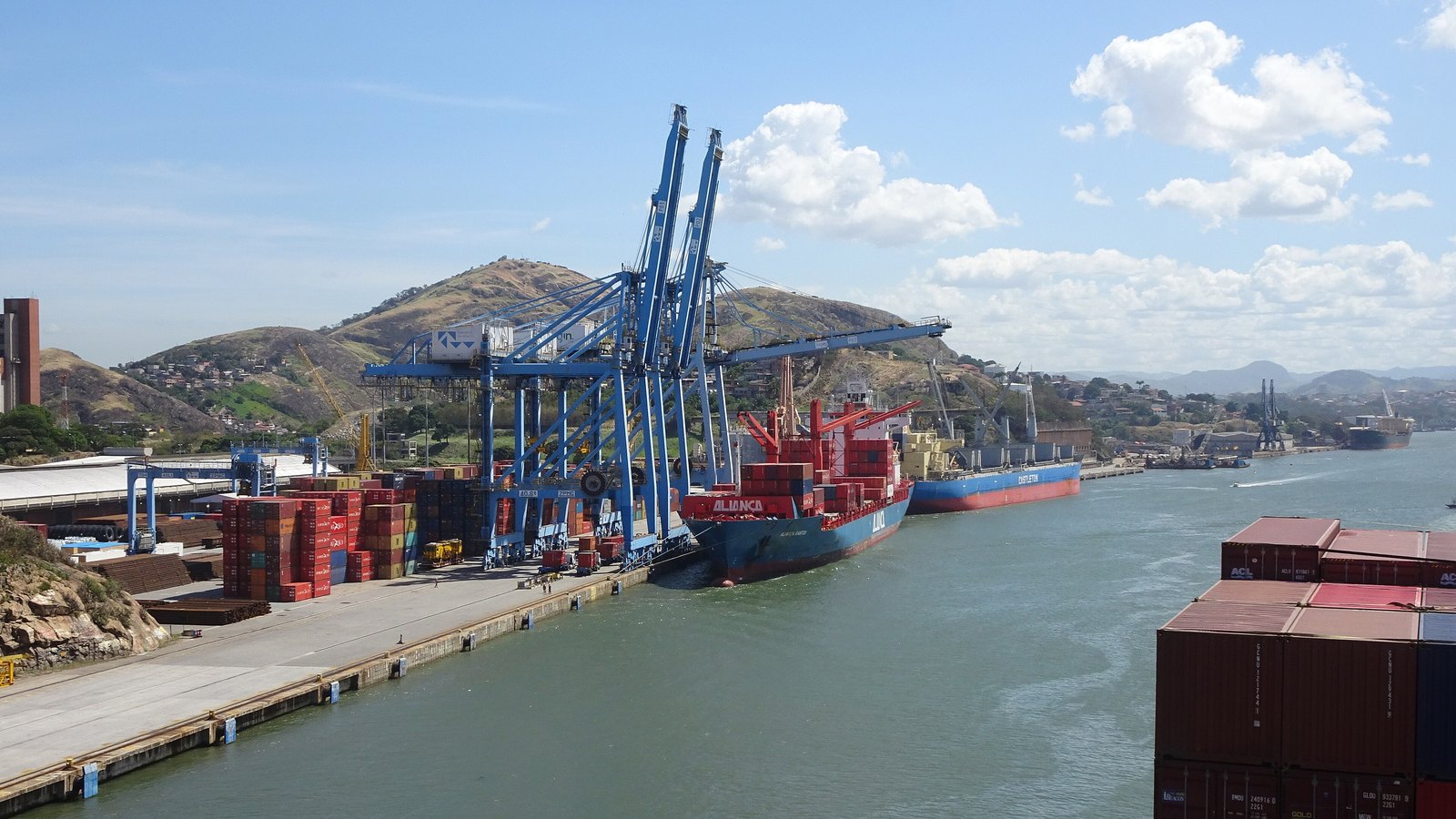
On November 27, 2026, the Office of the United States Trade Representative proposed to modify Section 301 tariff actions against Brazil, replacing percentage tariffs on sugar with specific duties and applying a 10 percent tariff on finished aircraft. Addressing disputes over cross-border digital trade, electronic payments, and intellectual property enforcement, the action introduces new supply chain costs and licensing risks for university research programs and international technology transfer offices.
Proposed Modifications to Section 301 Tariffs on Brazilian Goods
The Office of the United States Trade Representative (USTR) announced on November 27, 2026, a proposed modification of trade actions under Section 307(a)(1) of the Trade Act of 1974 (19 U.S.C. 2417(a)(1)). The action follows a determination that Brazil has made insufficient progress in eliminating acts, policies, and practices identified as actionable under Section 301(b). The dispute centers on digital trade, electronic payment services, intellectual property protection, preferential tariffs, anti-corruption enforcement, ethanol access, and deforestation.
Under the proposed modification, USTR plans to terminate the tariff exemption for finished aircraft from Brazil, applying a 10 percent ad valorem tariff. Concurrently, the agency proposes replacing the existing 25 percent tariff on certain raw and refined sugar products with specific additional duties per kilogram assessed on a nondiscriminatory basis. The public inspection notice, filed under Document Number 2026-24231 for publication on November 30, 2026, initiates formal public comment proceedings.
The Trade Representative determined that existing measures—initially imposed on July 20, 2026—are no longer appropriate to obtain policy changes. USTR noted that bilateral talks stalled after July 2026, and Brazil initiated domestic retaliatory proceedings rather than resolving concerns regarding digital platform takedown orders, electronic payment preferences, and patent examination backlogs.
Tariff Schedules, Duty Adjustments, and Key Provisions
The proposed restructuring alters product coverage and duty mechanics across specific lines in the Harmonized Tariff Schedule of the United States. For sugar imports entering at the general high-tier rate, USTR proposes specific tariffs to prevent trade diversion through global commodity channels. For aerospace goods, terminating Brazil’s exemption affects commercial aircraft delivery pipelines.
The subheadings and rate modifications detailed in the proposed Annex include:
| HTSUS Subheading | Product Description | Baseline General Duty | Prior Section 301 Duty | Proposed Modified Duty |
|---|---|---|---|---|
| 1701.12.50 | Raw beet sugar in solid form, out-of-quota | $0.3574 per kg | 25% ad valorem | +$0.60 per kg (nondiscriminatory) |
| 1701.13.50 / 1701.14.50 | Raw cane sugar in solid form, out-of-quota | $0.3387 per kg | 25% ad valorem | +$0.44 per kg (nondiscriminatory) |
| 1701.91.30 / 1701.99.50 | Refined cane and beet sugar and pure sucrose | $0.3574 per kg | 25% ad valorem | +$0.60 per kg (nondiscriminatory) |
| 1702.90.20 / 2106.90.46 | Sugar syrups and specialty sugar preparations | $0.3574 per kg | 25% ad valorem | +$0.60 per kg (nondiscriminatory) |
| 8801.00.00 | Balloons, dirigibles, gliders, and non-powered aircraft | 0% | Exempt (0%) | 10% ad valorem (Brazil) |
| 8802.11.01 / 8802.12.01 | Helicopters of unladen weight under and over 2,000 kg | 0% | Exempt (0%) | 10% ad valorem (Brazil) |
| 8802.20.01 to 8802.40.01 | Airplanes and powered aircraft (commercial jets) | 0% | Exempt (0%) | 10% ad valorem (Brazil) |
For research institutions importing specialized agricultural inputs, reference standards, or aerospace equipment, accurate Harmonized Tariff Schedule classification and export documentation is essential to ensure compliance with customs declarations and tariff liability assessments.
Dispute History and Regulatory Context
The dispute traces to July 15, 2025, when the Trade Representative initiated an investigation under Section 301(b) following presidential direction (90 Fed. Reg. 34069, July 18, 2025). The inquiry examined structural barriers in Brazil, including judicial orders penalizing American digital platforms, electronic payment rules favoring domestic networks such as Pix, and patent pendency delays that hindered biopharmaceutical and technological commercialization.
Bilateral consultations took place in Brasília on April 15 and 16, 2026. On June 1, 2026, USTR determined that Brazil’s measures were unreasonable and discriminatory (91 Fed. Reg. 33854, June 4, 2026). Following presidential directives on July 15, 2026 (91 Fed. Reg. 45619), USTR established a baseline 25 percent tariff on most Brazilian goods (91 Fed. Reg. 45516, July 20, 2026), while exempting civil aircraft.
Substantive discussions continued through mid-2026 but reached an impasse. Rather than modifying digital platform restrictions or accelerating patent processing at the Instituto Nacional da Propriedade Industrial (INPI), Brazilian authorities initiated domestic counter-retaliation mechanisms.
Bilateral Frictions, Retaliation Powers, and Multilateral Dispute
The Brazilian government responded by activating provisions under its Economic Reciprocity Law (Lei No. 15.122 of April 11, 2025). Brazil’s Executive Management Committee of the Foreign Trade Chamber (GECEX) determined that United States tariff measures warranted countermeasures. A working group was formed to develop retaliatory tariffs and explore potential suspensions of intellectual property concessions, including patent protections for foreign rights-holders.
Simultaneously, Brazil escalated the confrontation to the multilateral arena. At the World Trade Organization, Brazil filed a formal dispute designated as DS646: United States — Additional Duties on Certain Products from Brazil. Brazil alleged that unilateral Section 301 tariffs violate Articles I:1, II:1(a), and II:1(b) of the General Agreement on Tariffs and Trade (GATT 1994) and Article 23 of the Dispute Settlement Understanding (DSU). When Brazil requested a dispute panel on November 24, 2026, the United States exercised its procedural right under DSU Article 6.1 to block the initial request, postponing establishment to a subsequent meeting.
USTR stated that Brazil’s pursuit of retaliatory frameworks and litigation rather than resolving market access concerns made the modified Section 301 action necessary to maintain effective trade leverage.
Implications for University Research, Technology Transfer, and Data Governance
Although Section 301 actions are often analyzed as commercial disputes, the USTR proposed modification carries direct operational consequences for academic research administration, international science partnerships, and institutional technology licensing:
- Technology Transfer and Patent Protections: Brazil’s consideration of countermeasures under Law 15.122, specifically potential suspensions of intellectual property rights, directly threatens patent portfolios held by American universities and research spin-offs. Technology licensing executives managing collaborations with Brazilian university technology transfer offices and NITs under the Marco Legal da Inovação must review cross-border license agreements, dispute resolution clauses, and patent maintenance fee structures.
- Cross-Border Data Flows and Digital Platforms: USTR’s core findings on digital trade target Brazilian restrictions on cross-border data governance and online communications. Academic consortia sharing large-scale research datasets, genomic registries, and collaborative cloud compute infrastructure must prepare for heightened regulatory scrutiny and potential data localization requirements.
- Procurement of Specialized Equipment: The 10 percent tariff on finished aircraft directly impacts university aeronautical engineering labs, atmospheric research flight facilities, and institutional aviation programs that utilize Embraer platforms. Research institutions must account for increased capital costs and tariff passthrough on specialized aerospace airframes.
- Export Controls and International Collaboration: Escalating trade friction between Washington and Brasília underscores the need for rigorous export control compliance in international research collaborations. Compliance officers must monitor whether dual-use technologies, advanced computing algorithms, or proprietary technical data shared with Brazilian co-investigators face revised licensing requirements under Export Administration Regulations.
- Institutional Risk Management: Research compliance leadership must ensure that international scientific agreements and material transfer pacts are coordinated with institutional research security programs to evaluate sovereign risk, regulatory reciprocity, and foreign government intervention in sponsored research.
Public Comment Deadlines and Hearing Schedule
USTR has established a formal schedule for public participation regarding the proposed Section 301 modifications. Stakeholders, including university procurement officers, academic research leaders, and industry associations, may submit testimony and written comments through the official USTR Public Comment Portal.
The regulatory calendar governs the following deadlines:
- November 27, 2026: Public comment period officially opens.
- December 7, 2026: Deadline to submit requests to appear at the public hearing, accompanied by a detailed summary of expected testimony (docket number USTR-2026-0629).
- December 30, 2026: Deadline for submission of all written public comments regarding the proposed tariff modifications and product scope (docket number USTR-2026-0628).
- January 14, 2027: The Section 301 Committee convenes a public hearing in Conference Rooms 1 and 2 at 1724 F Street NW, Washington, DC, starting at 10:00 a.m. (continuing January 15 if required).
- Post-Hearing Rebuttals: Written rebuttal comments must be submitted within seven calendar days following the conclusion of the public hearing.
USTR specifically requested comments on whether the targeted tariff subheadings constitute essential materials lacking domestic alternatives, whether proposed duty rates would cause severe supply dislocations, and whether duties should be applied on a nondiscriminatory basis across global trade flows.
Sources
- Office of the United States Trade Representative: Proposed Modification of Section 301 Action: Brazil’s Acts, Policies, and Practices Related to Digital Trade and Electronic Payment Services; Unfair, Preferential Tariffs; Anti-Corruption Enforcement; Intellectual Property Protection; Ethanol Market Access; and Illegal Deforestation, checked 2026-11-27
- Office of the United States Trade Representative: USTR Public Comment Portal, checked 2026-11-27
- World Trade Organization: DS646: United States — Additional Duties on Certain Products from Brazil, checked 2026-11-27
- U.S. International Trade Commission: Harmonized Tariff Schedule of the United States, checked 2026-11-27






