
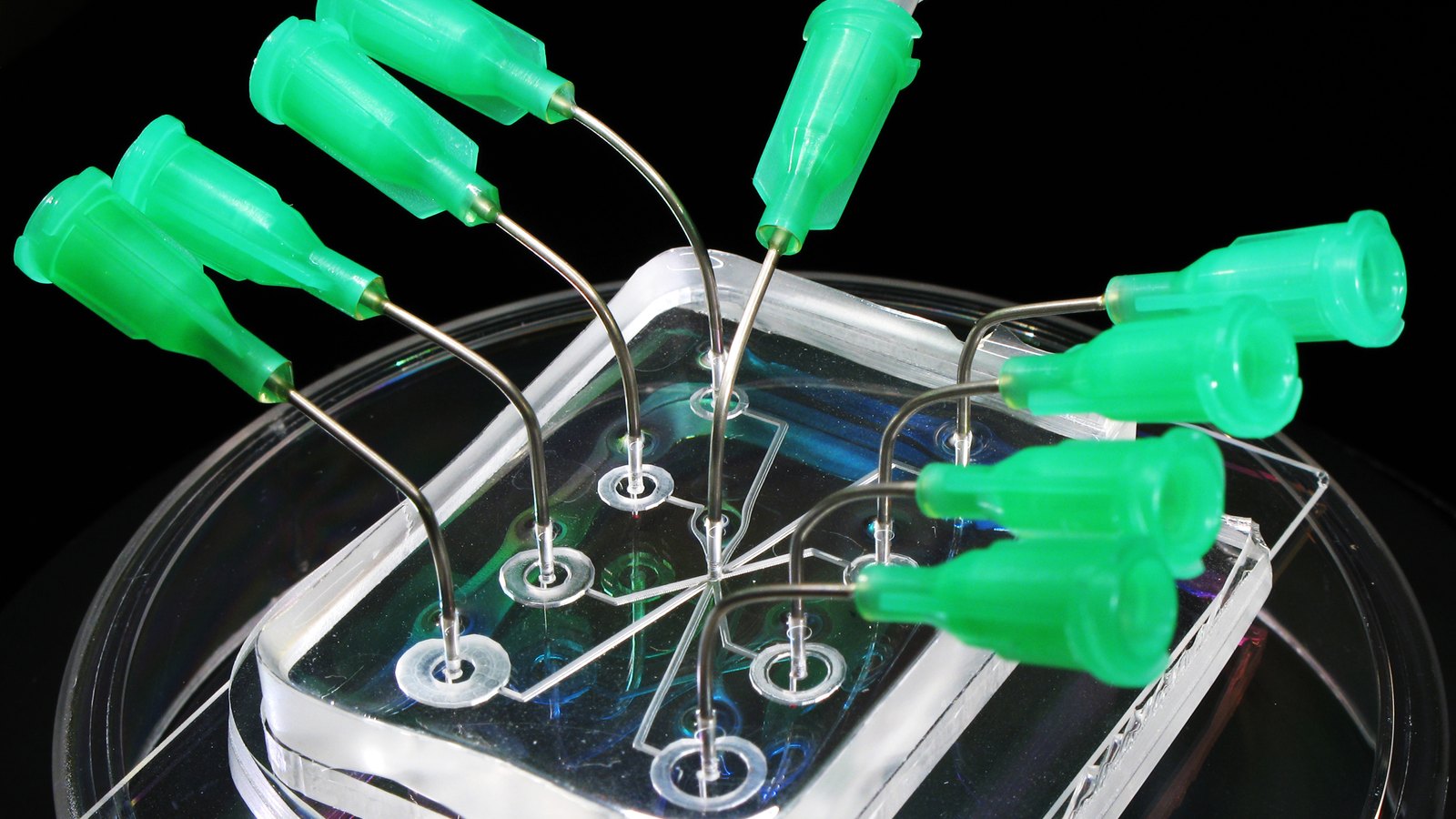
Researchers have developed a novel platform integrating artificial intelligence (AI) and nanotechnology to perform rapid drug screening from a single drop of urine, a breakthrough that could significantly accelerate the identification of therapeutic candidates and enhance precision diagnostics. By enabling comprehensive screening in under five minutes, this technology promises to transform workflows in preclinical research, clinical trial patient monitoring, and pharmacological development.
What happened
The new method combines microfluidic “lab-on-a-chip” nanotechnology—which allows for the precise manipulation of minuscule fluid volumes—with advanced machine learning algorithms. The AI component rapidly analyzes the complex spectral or biological responses of the sample, distinguishing between drug compounds and biological noise far faster and more reliably than traditional benchtop assays. This integration allows for point-of-care-like utility in a laboratory setting, effectively reducing the temporal and material costs of initial screening phases.
Key details
The platform relies on two key technological innovations:
- Microfluidic Nanotechnology: The chip design isolates and prepares the analyte from a complex matrix like urine in real-time, eliminating the need for lengthy pretreatment steps typical in traditional laboratory workflows.
- AI-Driven Analysis: The machine learning model, trained on extensive datasets of known drug responses, identifies candidate compounds based on the sample’s unique diagnostic signature within minutes, drastically reducing human error and assay duration.
Background and context
Drug screening remains a significant bottleneck in pharmaceutical R&D, often requiring extensive laboratory resources, specialized personnel, and significant time investment to evaluate compound efficacy. Traditional screening methodologies—such as plate-based assays—are robust but can be limited by low throughput and high resource intensity. The move toward miniaturized, automated, and intelligent platforms reflects a broader industry trend to adopt technologies that increase throughput and reduce the failure rate of therapeutic candidates early in the pipeline.
Similar approaches are already being explored in oncology and neurology, but applying these diagnostics specifically for rapid drug screening from non-invasive samples represents a major leap in accessible laboratory medicine and research throughput.
Reaction
Initial reactions from the scientific community have been positive, highlighting the potential for widespread adoption across research environments. Experts in laboratory instrumentation and drug discovery have emphasized that while the proof-of-concept is promising, further validation studies will be essential to ensure consistent performance across diverse drug classes and patient populations. The integration of nanotechnology and AI into a singular automated system is widely regarded as a significant step forward in making drug screening more efficient and accessible.
What it means for researchers, universities, and research offices
This diagnostic technology holds several implications for research operations:
- Preclinical Throughput: Academic research groups focused on pharmacology and drug development can anticipate higher screening throughput, potentially accelerating the transition from discovery to candidate validation.
- Clinical Trial Optimization: For clinical investigators, this tool could facilitate real-time monitoring of patients during early-phase trials, offering a quicker approach to assessing drug metabolic pathways or identifying potential toxicity signals.
- Lab Infrastructure and Procurement: Research administrators may need to evaluate the feasibility of integrating these microfluidic platforms into existing core laboratory facilities, considering both the hardware investment and the required expertise in managing AI-driven analytics.
- Compliance and Standardization: As with any new diagnostic platform, adoption within a regulated research context will necessitate robust validation according to GLP or other applicable standards to ensure data reliability and reproducibility.
What happens next
The researchers are now moving to validate the platform across a broader range of therapeutic compounds and clinical samples. Future milestones include optimizing the chip manufacturing for scale, enhancing the machine learning model’s interpretability, and potentially pursuing regulatory pathways for eventual integration into clinical laboratory workflows. Research institutions should watch for follow-up publications and the potential for commercial licensing or technology transfer opportunities in the coming months.
Sources
- Medical Xpress: Reporting on AI and nanotechnology drug screening developments, accessed 2026-11-18.
- Newswise: Detailed coverage of the microfluidic AI platform, accessed 2026-11-18.


