
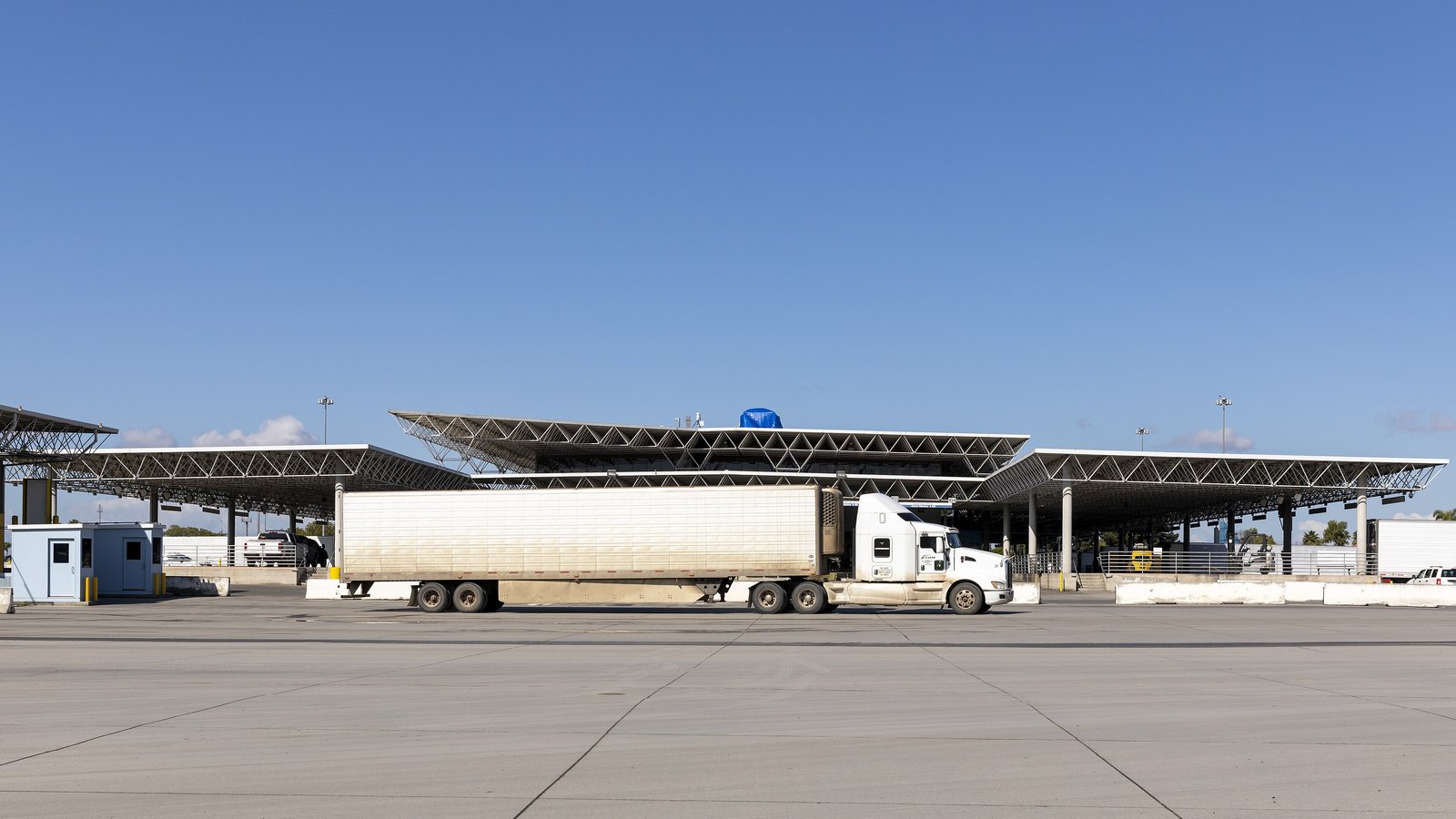
The UK Animal and Plant Health Agency (APHA) and the Department for Environment, Food and Rural Affairs (Defra) issued comprehensive updates on 24 November 2026 to the official register of authorised UK Border Control Posts and veterinary export certification protocols, establishing stringent inspection routines and digital notification workflows for scientific institutions importing botanical germplasm, agricultural plant tissues, and animal-derived research reagents across Great Britain.
Authorised Border Control Posts and Inspection Point Revisions
According to the newly updated register of plant imports authorised border control posts in the UK, biosecurity regulators have recalibrated entry gateways across maritime ports and international airport terminals. The 24 November 2026 statutory update consolidates a sequence of operational adjustments affecting commercial handlers and scientific couriers. Specifically, the register designates newly certified inspection centres while formally decommissioning dormant facilities across the English and Welsh border infrastructure.
At major air transit hubs, PrimeFlight Cargo Ltd (formerly operating as Airworld) has been designated as an authorised facility at Cardiff Airport and London Heathrow Airport, moving from intermediate inland control status to full border control post (BCP) status. At Heathrow, handling profiles have transitioned following the replacement of ASC Cargo by Swissport at key terminal cargo sheds, complementing operations at the Heathrow Perishable Centre. In parallel, regional maritime entry points, including Grimsby and Immingham, received updated operating schedules, while Gatwick Airport completed the structural relocation of its Dnata inspection facility from Unit 5 to Unit 2. These modifications require institutional logistics coordinators to verify designated point-of-entry capabilities before booking consignments containing live specimens or perishable research materials.
Inspection Designations, IPAFFS Procedures, and Commodity Specifications
The updated framework enforces precise routing rules through the Import of Products, Animals, Food and Feed System (IPAFFS). Consignments carrying regulated botanical materials, soil matrices, or biological reagents must submit electronic import pre-notifications within mandatory statutory windows—at least 4 working hours prior to arrival for air freight and at least 24 hours prior to arrival for maritime cargo. Under the updated BCP roster, entry facilities maintain specific authorisation categories, meaning that ports equipped for timber or grain inspections cannot process high-risk vegetative propagules or micro-propagated cultures.
For agricultural research facilities conducting rigorous seed germination testing or breeding trial evaluations, phytosanitary declarations must specify quarantine statuses and reference valid import licences. The table below summarizes the operational designations, facility shifts, and commodity handling mandates across key UK air and maritime border checkpoints:
| Entry Point Facility | Designation Type | Approved Commodity Scope | Operational Status (Nov 2026) | Mandatory Notification Channel |
|---|---|---|---|---|
| Heathrow Airport (Swissport / HPC) | Border Control Post (Air) | Plants, seeds, perishable tissues, cut flowers | Fully operational; revised shed designations | IPAFFS (min. 4 hours pre-arrival) |
| Cardiff Airport (PrimeFlight Cargo) | Border Control Post (Air) | Controlled plants, botanical samples, produce | Elevated from inland CP to full BCP | IPAFFS (min. 4 hours pre-arrival) |
| Gatwick Airport (Dnata Unit 2) | Border Control Post (Air) | Perishable botanical cargo, plant tissue | Operational; relocated from Unit 5 | IPAFFS (min. 4 hours pre-arrival) |
| Newcastle International Airport | Inspection Centre | Phytosanitary biological specimens, plants | Active designated inspection centre | IPAFFS (min. 4 hours pre-arrival) |
| Port of Immingham and Grimsby | Border Control Post (Sea) | Bulk agricultural materials, wood, plant produce | Operating hours updated for statutory intake | IPAFFS (min. 24 hours pre-arrival) |
| Purfleet Port | Border Control Post (Sea) | Containerised agricultural and plant products | Confirmed address profile and entry gates | IPAFFS (min. 24 hours pre-arrival) |
Biosecurity Framework and Post-Brexit Regulatory Evolution
The revision of UK border posts operates within the broader legal architecture of retained sanitary and phytosanitary rules, originating under Regulation (EU) 2016/2031 on protective measures against pests of plants. This regulatory structure divides biological risks into priority quarantine organisms, provisional quarantine pests, and regulated non-quarantine pests. By updating physical control posts and inland control points (CPs), Defra and APHA aim to prevent the introduction of devastating pathogens such as Xylella fastidiosa, emerald ash borer, and tobacco ringspot virus into British ecological systems.
The operational directives align with harmonised risk methodologies formulated by the European and Mediterranean Plant Protection Organization, which establish data-driven standards for pest risk analysis and phytosanitary inspection protocols. Furthermore, European monitoring agencies, notably the European Food Safety Authority plant health panel, maintain continuous scientific surveillance on emerging vector pathways that inform Great Britain biosecurity triage. Border inspectors examine not only the living plant tissue but also the growing medium, testing for soil-borne nematodes, parasitic fungi, and microbial contamination that threaten native biomes.
Veterinary Export Health Certificates and Animal Reagent Directives
Alongside plant control posts, APHA released simultaneous revisions to animal product trade standards, detailing dynamic restrictions in its guidance on imports, exports and EU trade of animals and animal products. The updates establish special emergency safeguard measures for foot and mouth disease (FMD) regarding imports of hay, straw, and susceptible animal by-products from third countries, effective 27 October 2026 and amended on 25 November 2026 across England, Wales, and Scotland. Conversely, biosecurity authorities lifted historical import embargos on poultry products from Argentina and ratites from Australia following successful pathogen eradication, while removing commercial porcine offal restrictions from the United States following containment of Aujeszky’s disease.
Crucially for veterinary research establishments, academic laboratories exporting or transferring animal biological materials must adhere to updated guidance on how to export or move animal bones, protein and other by-products. As of 24 November 2026, APHA formally discontinued the general email inbox ([email protected]), following the earlier decommissioning of the export mailbox, transitioning all administrative queries, model declarations, and specialist EHC applications exclusively to a centralised digital contact portal. Consignments of Category 1 and Category 2 animal by-products remain strictly prohibited from standard transit, while Category 3 materials—including cell culture reagents, purified bovine serum albumin, and antibody fractions—require verified Export Health Certificates (EHCs) logged through TRACES for EU entry.
Operational Impact on Academic and Research Laboratories
For principal investigators, research project managers, and institutional compliance officers, the coordinated biosecurity updates introduce immediate operational responsibilities. Scientific shipments can no longer be routed through generic courier logistics without verified confirmation that the port of entry has active designation for the specific commodity code. When biological materials are transferred between cross-border collaborators under a formal material transfer agreement, institutional paperwork must incorporate the correct border inspection post codes and statutory IPAFFS declaration references.
Legal and technology transfer teams evaluating institutional agreements must distinguish standard commercial warranties from material-specific obligations, as detailed in our analysis of material transfer agreements vs NDAs. Research institutions handling recombinant microorganisms, animal sera, or botanical pathogens must also align import schedules with their internal biosafety and biosecurity containment protocols. Couriers carrying temperature-sensitive enzymes or cryogenic germplasm face devastating specimen degradation if consignments are diverted or delayed at points of entry lacking specialized cold-storage inspection bays.
Implementation Timelines and Compliance Milestones
Regulators have established clear operational timelines for compliance under the updated border and veterinary regime. The revised designations for UK Border Control Posts and airport control points took legal effect immediately upon gazetting on 24 November 2026. Consignments already in maritime transit prior to 24 November are granted customary clearance through their originally designated entry points, provided arrival manifests align with pre-declared IPAFFS records.
For animal by-products and biological reagents, the amended foot and mouth disease safeguard measures took effect on 25 November 2026 across Scottish, Welsh, and English points of entry. Universities and independent contract research organisations are advised to audit all scheduled sample imports and overseas collaborative pipelines immediately, ensuring that overseas suppliers are equipped with the latest model EHC templates and that logistics partners pre-clear customs entry via authorised facilities.
Sources
- UK Animal and Plant Health Agency and Department for Environment, Food and Rural Affairs: Plant imports: authorised border control posts in the UK, checked 2026-11-28
- UK Department for Environment, Food and Rural Affairs and Animal and Plant Health Agency: Imports, exports and EU trade of animals and animal products: topical issues, checked 2026-11-28
- UK Animal and Plant Health Agency: Export or move animal bones, protein and other by-products, checked 2026-11-28
- UK Legislation: Regulation (EU) 2016/2031 on protective measures against pests of plants, checked 2026-11-28
- European Food Safety Authority: Plant health, checked 2026-11-28
- European and Mediterranean Plant Protection Organization: What is EPPO, checked 2026-11-28






