
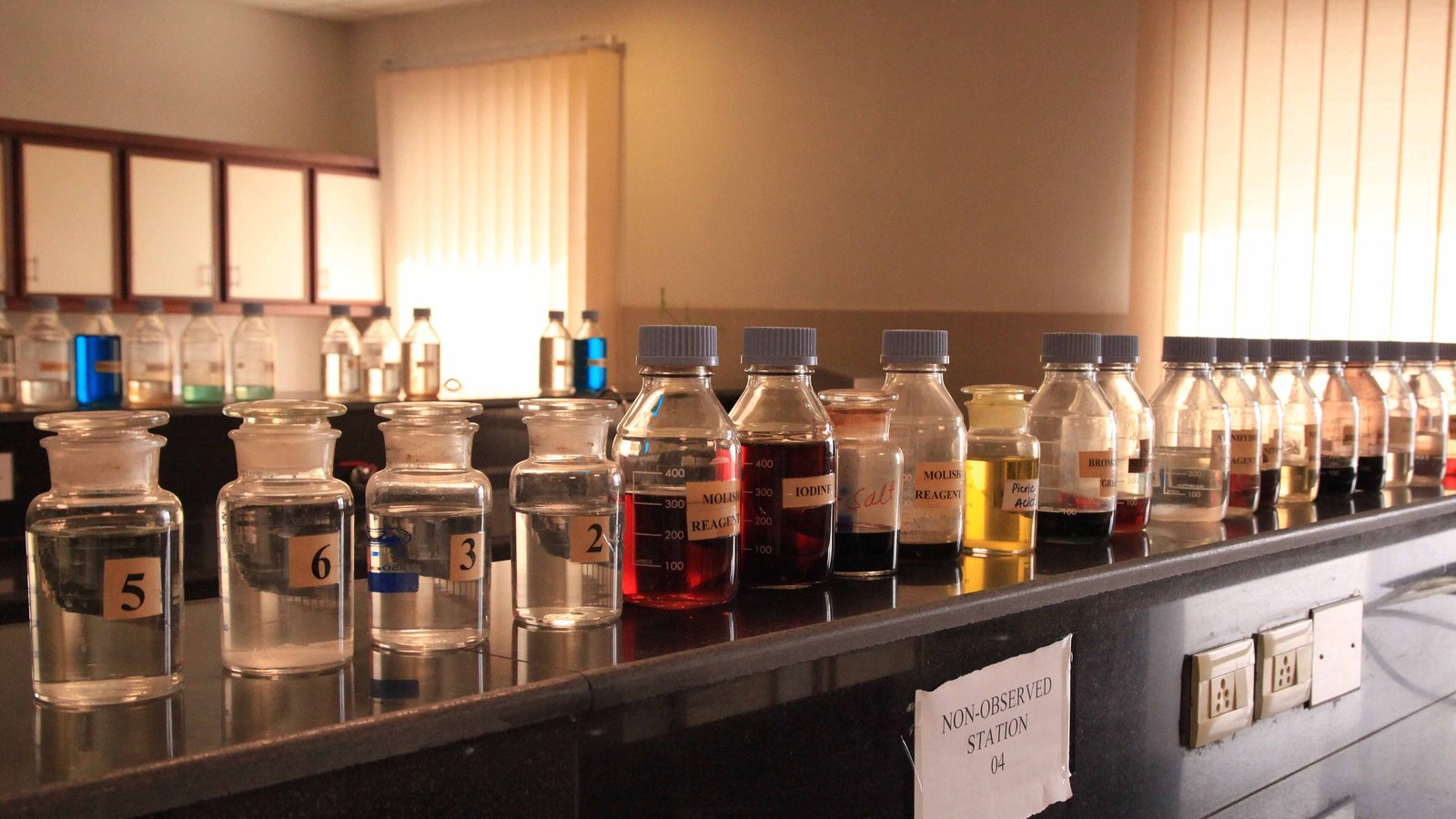
On November 20, 2026, research executives across major pharmaceutical firms—including Novartis, AstraZeneca, GSK, and Sanofi—reported that generative artificial intelligence and Anthropic tools are compressing preclinical drug discovery timelines by up to 50 percent. Following earlier partnerships like the Merck-Isomorphic Labs oncology alliance, the acceleration shifts primary development bottlenecks to clinical trial execution and regulatory review, reshaping how academic translational centers and tech transfer offices structure discovery pipelines.
Preclinical Timelines Cut in Half Across Major Discovery Pipelines
Scientists and executives from leading drugmakers confirmed on November 20, 2026, that artificial intelligence has rapidly accelerated early-stage drug development over the past year. In disclosures detailed in Reuters investigative reporting and corroborated by syndicated reporting, drugmakers stated that algorithmic models have cut by as much as half the time required to design novel molecules, evaluate targets, and advance candidate therapies toward clinical trials.
The participating firms—comprising GSK, Bristol Myers Squibb, Novartis, Eli Lilly, Novo Nordisk, AstraZeneca, and Sanofi—emphasized that machine learning has moved beyond administrative filings. Today, computational models are embedded in core scientific workflows, including de novo molecular design, lead optimization, and toxicological screening.
“There is no part of the discovery through development pipeline where we are not using AI,” said Sharon Barr, executive vice president of biopharmaceuticals R&D at AstraZeneca. R&D leaders noted that while traditional discovery required years of wet-lab trial and error, modern neural architectures allow teams to screen vast chemical libraries and evaluate protein-ligand binding affinities in days.
Concrete Timeline Reductions and Model Deployments
Preclinical research groups shared quantitative milestones illustrating timeline compression across global pipelines:
- Sanofi: Saved at least a full year developing its investigational asthma drug lunsekimig. By deploying machine learning to translate early biological findings into clinical decisions, the team bypassed an intermediate dose-selection trial stage entirely.
- Novartis: Identified and prioritized five novel disease targets for its nephrology pipeline using AI screening tools, reducing project-initiation-to-candidate-selection time from three years down to 18 to 24 months.
- Novo Nordisk: Reduced iterative design-make-test-analyze (DMTA) cycles from eight cycles to three. Automation slashed individual cycle durations from eight weeks to four weeks, shrinking lead optimization from 64 weeks to 12 weeks.
- Bristol Myers Squibb: Chief Research Officer Robert Plenge confirmed that an investigational sickle cell anemia candidate advancing through its pipeline would not have been identified without internal AI systems, noting ongoing integration with laboratory robotics.
The table below summarizes preclinical timeline reductions, therapeutic focus areas, and AI deployment modes reported across major pharmaceutical organizations:
| Company | Therapeutic Area | AI Deployment Focus | Measured Preclinical Gain |
|---|---|---|---|
| Sanofi | Respiratory (Asthma) | Translational clinical simulation | Saved 1+ year; bypassed dose-selection study |
| Novartis | Nephrology (Kidney) | Target identification & prioritization | Lead discovery cut from 36 to 18–24 months |
| Novo Nordisk | Metabolic & Rare Diseases | DMTA iterative optimization | Cycles reduced from 8 to 3; cycle time halved |
| Bristol Myers Squibb | Hematology (Sickle Cell) | De novo molecule generation & robotics | Enabled novel candidate; tied models to wet lab |
| AstraZeneca | Oncology & Biopharmaceuticals | Reinvent generative chemistry engine | End-to-end integration across all discovery stages |
Frontier AI Moves From Software Provider to Biological Competitor
The acceleration of pharmaceutical pipelines coincides with expansions by frontier AI developers into biological discovery. Frontier laboratories are moving past software licensing to operate internal laboratories, creating a relationship pharmaceutical executives describe as coopetition.
Anthropic has deepened its life-sciences footprint through enterprise offerings and laboratory investments. In September 2026, the company launched its Life Sciences Verification Program to provide vetted pharmaceutical and academic teams secure access to frontier models with biology-specific safeguards. Alongside its Claude Science workbench, Anthropic established a San Francisco wet laboratory to validate AI-generated predictions empirically.
Institutional ties have also formalized: Novartis CEO Vas Narasimhan serves on Anthropic’s board of directors, bridging traditional pharmaceutical governance with computational intelligence. Anthropic also acquired startups Mithril Medicine and Coefficient Bio to seed an internal discovery pipeline targeting rare genetic disorders like muscular dystrophy.
At a Nasdaq address marking the company’s public valuation, Anthropic CEO Dario Amodei stated that while biological experiments and clinical validation require time, AI models can substantially compress development schedules so fewer patients miss life-saving therapies. Additional industry analysis highlights that venture firms observe frontier AI laboratories pursuing biopharma acquisitions to acquire proprietary experimental datasets and laboratory infrastructure.
Clinical Trial Realities and the Human Validation Bottleneck
Despite efficiency gains in computational design and benchtop screening, industry scientists caution that early discovery represents only the initial phase of drug development. According to benchmark data from the Pharmaceutical Research and Manufacturers of America (PhRMA), developing a commercial medicine averages 10 to 15 years, requires billions of dollars in capitalized investment, and faces an overall clinical failure rate near 90 percent.
Pharmaceutical leaders also tempered expectations. Aliza Apple, who directs Eli Lilly’s TuneLab platform sharing internal models with biotechs, emphasized that claims of AI quickly curing all disease outpace scientific reality, noting tools must first deliver verifiable cures in specific indications.
The empirical realities of clinical translation were reinforced by a study published in Cancer Treatment Reviews by Dr. Waqas Haque, an oncology researcher at the University of Chicago, and colleagues. The team tracked the clinical pipeline of AI-enabled drugs, identifying 129 active therapeutic assets originating from 69 distinct companies entering human clinical trials as of 2026. However, the study revealed that the pipeline remains heavily early-stage: 57.3 percent (74 assets) are concentrated in oncology, only 24 assets (18.9 percent) have completed Phase 2 testing, and just 5 assets have advanced to Phase 3.
Dr. Haque emphasized that while preclinical candidate volume will surge, AI therapies face identical clinical hurdles. Human trial execution cannot be simulated away: patient recruitment, safety windows, and regulatory oversight under clinical trial transparency standards and clinical trial site SOPs remain fixed boundaries. Furthermore, surrogate computational endpoints require clinical proof under standards for digital biomarkers and digital endpoints in clinical trials.
Implications for Academic Medical Centers and Research Offices
The compression of preclinical timelines creates operational, legal, and strategic implications for university technology transfer offices, academic medical centers, and institutional sponsored programs offices:
- Academic Translational Medicine Centers: University laboratories that spent years performing chemical lead optimization can now utilize foundation models to evaluate target candidates in months. This technological shift places a premium on wet-lab biological validation, patient-derived organoid assays, and translational models. Academic investigators benchmarking translational workflows frequently engage literature published in venues like the Journal of Clinical and Translational Science to align preclinical protocols with institutional standards.
- Technology Transfer and Licensing Valuations: As AI tools lower the barrier to early molecular design, unoptimized academic targets command lower upfront licensing valuations from biopharma partners. To maximize institutional equity and royalty rights, university research offices are encouraging faculty to advance computational leads into preliminary in vitro or animal validation stages before initiating commercial licensing discussions.
- Data Rights and IP Governance in Biopharma Contracts: University contracting offices must establish clear IP rules when faculty use external AI workbenches. Sponsored agreements must delineate ownership of downstream chemical derivatives and model weights trained on institutional cohorts. In clinical testing, academic teams structure agreements using templates like the model clinical trial agreement to protect data rights.
Next Milestones for Preclinical AI and Clinical Readouts
The biopharmaceutical industry and academic research community are monitoring several critical milestones through 2027 that will determine whether preclinical timeline compression translates into successful clinical therapies:
- Phase 2 and 3 Oncology Readouts: Between late 2026 and mid-2027, the initial cohort of clinical-stage molecules designed with generative AI will report pivotal Phase 2 efficacy data, providing the first definitive test of whether computational design reduces historical Phase 2 attrition.
- Regulatory Filings for AI-Optimized Leads: Global sponsors including Sanofi and Novartis plan to submit Investigational New Drug (IND) dossiers to the US Food and Drug Administration (FDA) and European Medicines Agency (EMA) for candidate molecules whose preclinical development was compressed under 24 months.
- Closed-Loop Robotic Automation Deployments: Throughout 2027, pharmaceutical facilities will complete direct integrations between generative AI algorithms and automated wet-lab robotics, establishing closed-loop systems that design, synthesize, and screen molecular leads with minimal manual intervention.
- Academic Technology Transfer Standards: The Association of University Technology Managers (AUTM) is slated to release model contract terms in early 2027 addressing the licensing of foundational AI outputs, derivative molecular IP, and academic data contributions to commercial foundation models.
Sources
- Reuters: Big Pharma, with eye on Anthropic, says AI is shrinking drug discovery timelines, checked 2026-11-20
- WTAQ: Big Pharma, with eye on Anthropic, says AI is shrinking drug discovery timelines, checked 2026-11-20
- Anthropic: Introducing the Life Sciences Verification Program, checked 2026-11-20
- Cancer Treatment Reviews: Artificial intelligence-enabled drug discovery: A growing but largely early-stage clinical pipeline, checked 2026-11-20
- WSAU: Big Pharma, with eye on Anthropic, says AI is shrinking drug discovery timelines, checked 2026-11-20


