
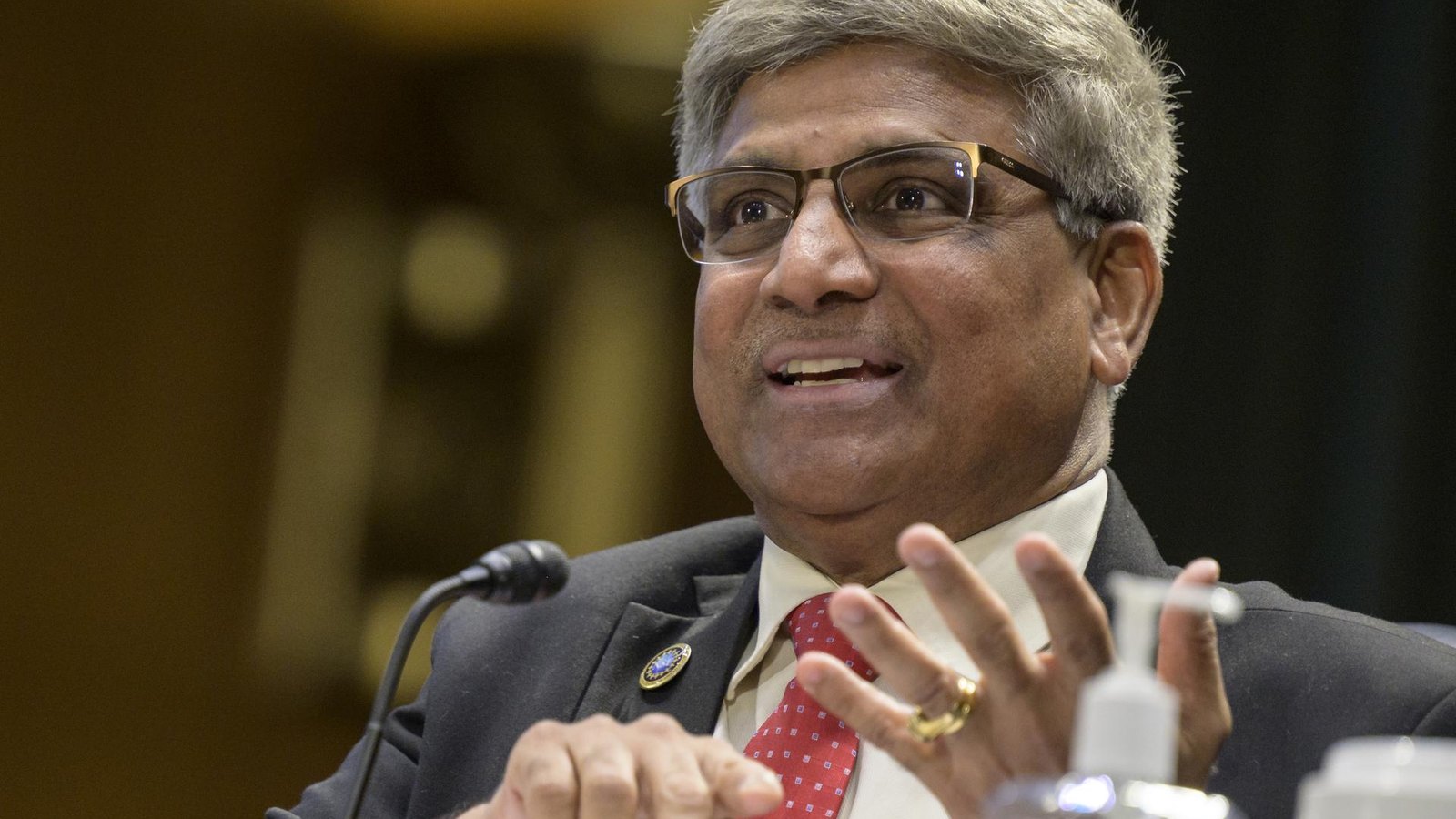
Senator Bill Cassidy (R-La.), chairman of the Senate Health, Education, Labor, and Pensions (HELP) Committee, has blocked the nomination of James O’Neill as director of the National Science Foundation (NSF), citing concerns over his commitment to scientific integrity and recent actions involving the Centers for Disease Control and Prevention (CDC).
What happened
The Senate HELP Committee was scheduled to vote on James O’Neill’s nomination to lead the NSF on November 18, 2026. However, Senator Cassidy, as committee chairman, declined to bring the nomination to a vote, effectively halting the confirmation process. Cassidy’s decision followed reports suggesting that O’Neill, a tech investor who served as acting director of the CDC under the Trump administration, had participated in decisions that raised significant concerns among the scientific community.
According to Senator Cassidy, O’Neill “did not do enough to stand up for science” during his tenure at the CDC and failed to adequately oppose what were described as controversial directives from Health and Human Services Secretary Robert F. Kennedy Jr. This situation has drawn widespread attention in the scientific and political spheres, highlighting the tension between political appointments and independent scientific leadership.
Cassidy’s concerns and the scientific integrity angle
Senator Cassidy highlighted O’Neill’s role in the termination of former CDC director Susan Monarez as a key factor in his decision. Cassidy argued that this action, among others, demonstrated a lack of independent judgment and a willingness to compromise scientific principles for political considerations. The senator emphasized that the NSF requires a leader who is committed to the foundation’s core mission of promoting the progress of science, and that O’Neill’s recent track record fell short of that standard.
The opposition to O’Neill’s nomination had been building in the lead-up to the scheduled vote, with several scientific organizations and academic groups expressing reservations about his qualifications and previous actions. These groups emphasized the importance of ensuring that the NSF director is not only an advocate for research funding but also a staunch defender of scientific research from political influence, a sentiment echoed by proponents of rigorous Research Integrity Policy.
Furthermore, concerns have been raised regarding the potential for similar political pressure to be applied to other research agencies. The scientific community has been actively discussing the importance of independence in such appointments, with many calling for transparent and thorough vetting processes for all high-level scientific roles. Proponents of robust research integrity guidelines like NSF Broader Impacts Statements argue that such protections are essential for maintaining public trust and scientific credibility.
Implications for the NSF
The blocking of O’Neill’s nomination leaves the NSF without a Senate-confirmed permanent director, a situation that may cause uncertainty regarding the agency’s leadership and long-term strategic direction. The NSF is responsible for funding a significant portion of basic research in the United States, and its leadership is crucial for setting research priorities, managing grants, and maintaining the integrity of the research enterprise.
Research administration leaders and university officials are watching the situation closely to determine the impact on upcoming grant cycles and agency policies. The NSF has clear protocols for handling leadership transitions, but a prolonged vacancy in the director position could hinder the agency’s ability to respond to emerging science policy challenges. Guidance on these transitions is often covered under NSF grant management protocols, which provide a framework for continuity during periods of leadership change.
Context: NSF Leadership and Science Policy
This development comes as the broader scientific community navigates shifting priorities in federal research funding and oversight. The role of the NSF director is pivotal in balancing technological advancement with fundamental scientific inquiry, a topic further explored in our guide on Science Communication and Public Engagement. Maintaining a focus on core scientific principles while adapting to new policy directions is a significant challenge for any NSF director, and this incident underscores the importance of this delicate balance.
The ongoing discourse surrounding this nomination also highlights the necessity of maintaining robust communication channels between federal research agencies and the academic community. Such dialogue is essential for ensuring that funding strategies are aligned with national research goals while simultaneously protecting the independence of scientific inquiry.
What happens next
With the scheduled vote canceled, the future of O’Neill’s nomination remains uncertain, and it is unclear if the administration will proceed with his nomination or propose an alternative candidate for the committee to consider.
The Senate HELP Committee is expected to continue its oversight of the NSF and may demand more information or a different nominee. The next steps will depend on consultations between the administration and the committee, as well as the committee’s priorities for filling the vacancy. Researchers and those involved in grant management should monitor further announcements from the committee.
As the debate continues, the focus remains on the necessity of independent scientific oversight within federal institutions, a core tenet of the Research Integrity Compliance framework. Ensuring that such institutions remain dedicated to their core mission is paramount for the continued success of the nation’s research enterprise.
Sources
- The Guardian: Senate HELP committee blocks NSF nominee, checked 2026-11-18
- FedScoop: Cassidy blocks NSF director nominee, checked 2026-11-18
- The Washington Examiner: Senate HELP committee cancels NSF director vote, checked 2026-11-18
- MLQ.ai: NSF leadership update November 2026, checked 2026-11-18


