
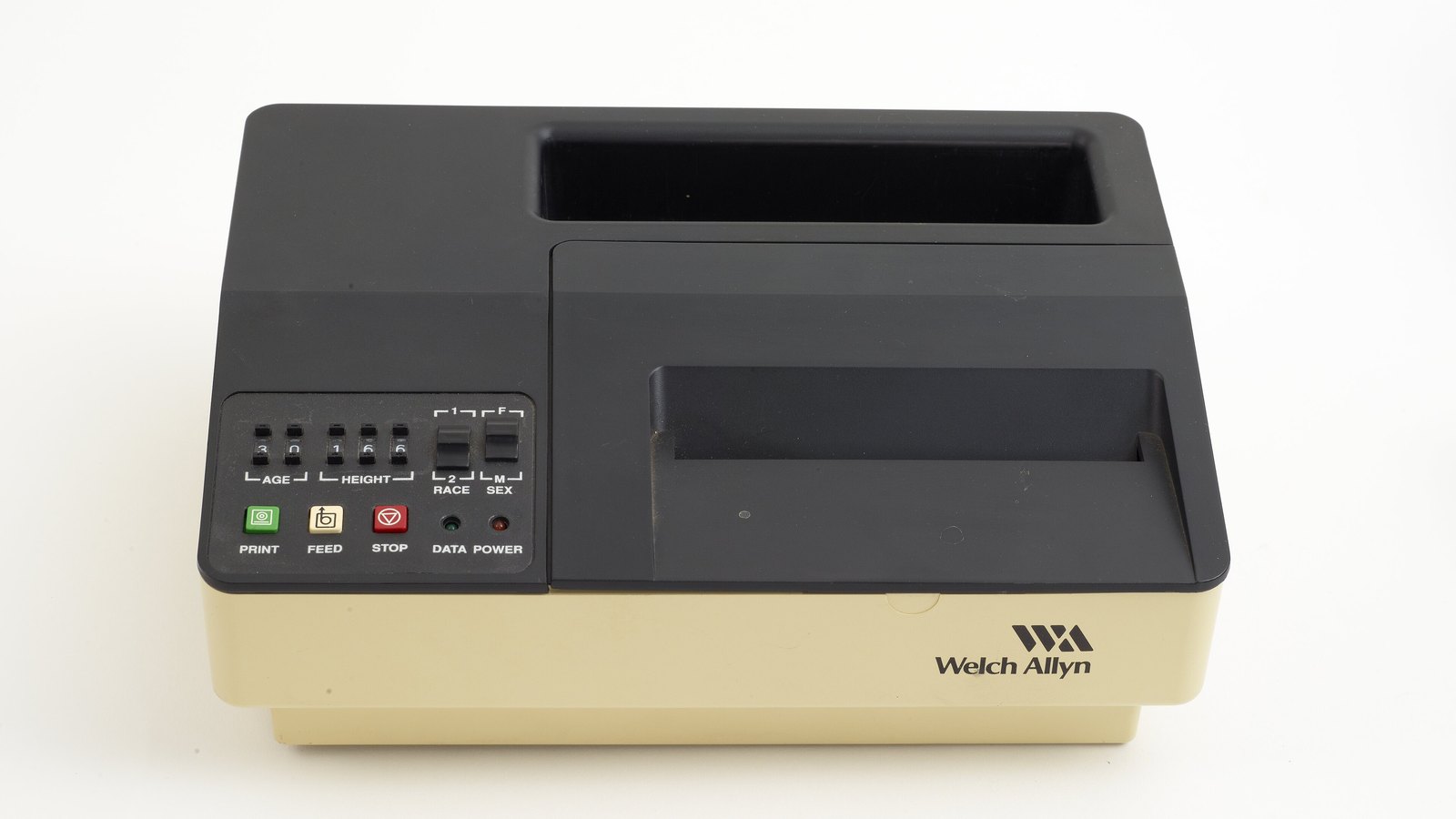
On November 24, 2026, the Centers for Disease Control and Prevention published Federal Register Notice 2026-23909 opening a 60-day public comment period on the National Institute for Occupational Safety and Health Pulmonary Function Testing Course Approval Program, establishing administrative reporting obligations that directly affect university continuing education centers, teaching hospitals, and occupational health research laboratories across the United States.
Federal Register Notice Opens Sixty-Day Review
The Centers for Disease Control and Prevention (CDC) formally announced the public comment period for an extension of the National Institute for Occupational Safety and Health (NIOSH) Pulmonary Function Testing Course Approval Program under Office of Management and Budget (OMB) Control Number 0920-0138. Registered under Docket Number CDC-2026-1816, the data collection notice invites public comment through January 25, 2027, on the renewal of the approval mechanism that certifies academic, hospital, and private training programs across the country.
Federal regulations mandate that technicians conducting diagnostic and surveillance spirometry in high-exposure workplaces undergo rigorous, standardized training approved by NIOSH. Under the current renewal, the CDC seeks to extend administrative approvals for course sponsors, maintaining quality control mechanisms across educational offerings while evaluating whether the agency can reduce compliance friction through improved electronic submission pathways.
The program governs initial two-to-three-day training courses as well as dedicated one-day refresher seminars. Course approval certificates issued by NIOSH are time-limited to five years, requiring sponsors to periodically resubmit curriculum documents, instrument specifications, and faculty credentials to ensure continuous alignment with federal testing protocols.
Course Approval Framework and Reporting Burden
NIOSH course approval imposes specific reporting requirements on institutional sponsors throughout their five-year authorization lifecycle. Prospective sponsors must submit a comprehensive initial application detailing course curricula, didactic agendas, laboratory practicum schedules, instrument specifications, and faculty vitae. Following initial approval, course directors are required to notify NIOSH in writing via letter or electronic mail whenever changes in instructional faculty or syllabus structure occur.
In addition to event-driven faculty change notifications, approved sponsors submit an annual report summarizing course volume and tracking active faculty rosters. Organizations wishing to extend their authorization beyond the five-year limit must submit formal renewal documentation, while sponsors establishing specialized refresher programs file separate curriculum approval filings.
In the November 24 regulatory notice, the CDC estimated the annualized reporting burden across all participating institutions at 144 hours, distributed among approximately 73 institutional respondents:
| Respondent Category | Form or Activity | Number of Respondents | Responses per Respondent | Average Burden per Response | Total Annual Burden |
|---|---|---|---|---|---|
| Potential Sponsors | Initial Application | 3 | 1 | 8.0 hours | 24 hours |
| Approved Sponsors | Annual Report | 33 | 1 | 0.5 hours (30 min) | 17 hours |
| Approved Sponsors | Report for Course Changes | 24 | 1 | 0.5 hours (30 min) | 12 hours |
| Approved Sponsors | Renewal Application | 10 | 1 | 6.0 hours | 60 hours |
| Approved Sponsors | Refresher Course Application | 3 | 1 | 8.0 hours | 24 hours |
| Total | All Reporting Instruments | 73 | 1 | 1.97 hours (average) | 144 hours |
The agency noted that there are no capital, start-up, or operational costs associated with the information collection other than the administrative staff time required to prepare and file paperwork.
Statutory Mandates Under OSHA and NIOSH Standards
The technical foundation of the NIOSH Pulmonary Function Testing Course Approval Program originated under the Occupational Safety and Health Administration (OSHA) Cotton Dust Standard codified in the electronic Code of Federal Regulations at 29 CFR 1910.1043. The standard establishes statutory requirements for surveillance spirometry to prevent byssinosis and occupational lung damage among textile processing workers. Under OSHA 1910.1043 regulatory provisions, workplace pulmonary function examinations must be administered by a technician who has successfully completed a NIOSH-approved training course.
The regulatory footprint of NIOSH spirometry certification expanded substantially over subsequent decades. Under Title 42 of the Code of Federal Regulations (42 CFR 37.95), medical technicians administering spirometry examinations for the federal Coal Workers’ Health Surveillance Program must hold active certification from a NIOSH-approved course and complete periodic refresher training. More recently, federal standards governing respirable crystalline silica (29 CFR 1910.1053 for general industry and 29 CFR 1926.1153 for construction) explicitly require that surveillance spirometry be performed by technicians possessing valid NIOSH certification.
Because diagnostic spirometry results inform binding clinical and regulatory determinations, test quality depends critically on instrument calibration checks, biological controls, and standardized technician coaching techniques. These procedures adhere to technical statements published in the American Journal of Respiratory and Critical Care Medicine by joint working groups of the American Thoracic Society and European Respiratory Society, which specify acceptability criteria for forced vital capacity (FVC) and forced expiratory volume in one second (FEV1).
University and Institutional Sponsor Perspectives
Academic medical centers and continuing education centers play a leading role as certified sponsors within the national training network. Programs such as the University of Washington NIOSH-Approved Spirometry Training course operate through regional Education and Research Centers, providing intensive instruction to occupational health nurses, industrial hygienists, and pulmonary function technologists. Faculty directors from these centers emphasize that the five-year renewal structure and strict faculty vetting protect instructional rigor by ensuring that course leaders possess demonstrated clinical expertise and teaching competence.
Similarly, collegiate respiratory care faculties, including the Texas State University NIOSH-Approved Spirometry Training Course program, highlight the importance of hands-on volume-calibration syringe verification and curve-acceptability practicums. Academic directors note that maintaining a low student-to-instructor ratio during hands-on laboratory exercises is essential for technician mastery. Continuing education coordinators have broadly welcomed the CDC review as an opportunity to clarify digital documentation expectations, particularly regarding electronic submissions for annual activity reports and expedited faculty credential modifications.
What It Means for Researchers, Universities, and Research Offices
The CDC regulatory review carries direct operational implications for university research offices, hospital compliance departments, and clinical laboratory managers who oversee occupational medicine training and pulmonary research infrastructure:
- Course Sponsor Administrative Oversight: University departments offering NIOSH-approved courses must calendar their five-year renewal milestones and ensure annual activity reports are filed punctually. Research administration offices that support continuing education centers should verify that instructional materials reflect the latest technical standards and that documentation packages are maintained for federal audit review.
- Faculty Transition Protocols: Because NIOSH approval is linked to the qualifications of approved course directors and faculty members, institutions must integrate faculty notification rules into departmental transition checklists. Departures, sabbaticals, or appointments of course directors require prompt written notification to NIOSH to avoid disruption of course accreditation.
- Clinical Trial and Research Alignment: Academic medical centers conducting industry-sponsored or federally funded clinical trials that measure respiratory endpoints must maintain rigorous quality assurance. Facilities should ensure that technician training protocols conform to established standard operating procedure documentation and align with Good Clinical Laboratory Practice standards to guarantee trial data integrity and regulatory reproducibility.
- Laboratory Safety and Equipment Calibration: Occupational health units must maintain strict calibration logs for three-liter calibration syringes and flow-sensing spirometers. Ensuring proper maintenance of laboratory safety equipment and infection-control filters is vital for protecting technicians and study subjects during high-velocity forced expiratory maneuvers.
What Happens Next
Public stakeholders, university course sponsors, occupational medicine societies, and healthcare institutions have 60 days to submit written feedback on the information collection request. All comments must be received by the CDC on or before January 25, 2027.
Submissions may be filed electronically through the Federal eRulemaking Portal at www.regulations.gov under Docket Number CDC-2026-1816, or directed via mail to the CDC Information Collection Review Office in Atlanta, Georgia. Following closure of the 60-day public docket, the CDC will evaluate submitted feedback, make any necessary adjustments to administrative burden estimates or reporting instruments, and submit the formal package to OMB for final clearance under the Paperwork Reduction Act.
Sources
- Federal Register: Proposed Data Collection Submitted for Public Comment and Recommendations (Notice 2026-23909), checked 2026-11-24
- Electronic Code of Federal Regulations: 29 CFR 1910.1043 — Cotton dust, checked 2026-11-24
- Occupational Safety and Health Administration: 1910.1043 — Cotton dust, checked 2026-11-24
- University of Washington: NIOSH-Approved Spirometry Training, checked 2026-11-24
- Texas State University: NIOSH-Approved Spirometry Training Course, checked 2026-11-24






