
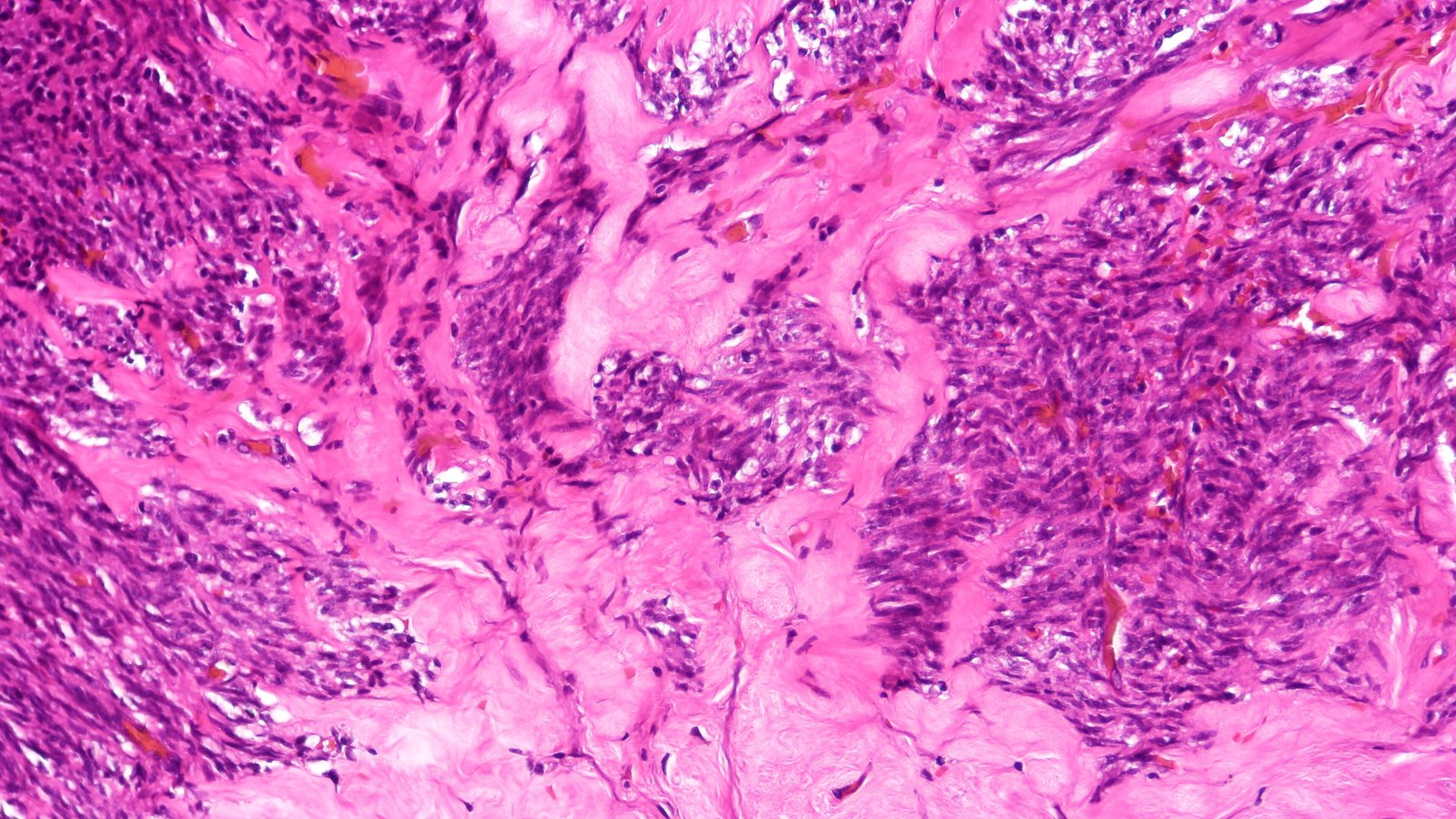
The US Food and Drug Administration approved bezuclastinib (Ekitna), made by Cogent Biosciences, on 24 November 2026. It is approved in combination with sunitinib for adults with advanced gastrointestinal stromal tumors (GIST) who have already been treated with imatinib. The decision rests on one randomized phase 3 trial and arrived before its scheduled review date, so trial sponsors, investigators and research offices working on rare-cancer studies now have a new reference point.
What happened
FDA’s approval notice describes Ekitna as a kinase inhibitor and limits the indication to adults with advanced GIST who received prior imatinib. Full prescribing information is to be posted on Drugs@FDA. Cogent announced the approval the same day and said the drug is now available by prescription in the United States, according to the company’s press release. RTTNews reported that the approval came ahead of the drug’s 30 November 2026 PDUFA goal date, and repeated the company’s statement that it is the first new treatment approved in this setting in more than 20 years.
FDA said the review used its Real-Time Oncology Review (RTOR) program and the Assessment Aid, a voluntary submission from the applicant intended to help the agency’s assessment. The application received priority review, and bezuclastinib in combination with sunitinib held breakthrough therapy designation. Bezuclastinib also holds orphan drug designation.
Key details of the evidence
Efficacy was evaluated in the PEAK study (NCT05208047), an open-label, randomized, international, multicenter trial in 413 patients with histologically confirmed, locally advanced, unresectable or metastatic GIST whose disease had progressed on, or who could not tolerate, imatinib. Patients received either bezuclastinib with sunitinib or sunitinib alone, in both cases until disease progression. Crossover to the combination was allowed after confirmed progression for patients assigned to sunitinib alone.
The major efficacy outcome was progression-free survival (PFS), judged by blinded independent central review using mRECIST v1.1. Objective response rate (ORR) and overall survival were additional endpoints. FDA reported these results:
| Measure | Bezuclastinib plus sunitinib | Sunitinib alone |
|---|---|---|
| Median PFS | 16.5 months (95% CI 13.8 to 19.2) | 9.2 months (95% CI 7.2 to 11.0) |
| Hazard ratio for progression or death | 0.50 (95% CI 0.39 to 0.65), two-sided p below 0.0001 | |
| Objective response rate | 46% (95% CI 39 to 53) | 26% (95% CI 20 to 32) |
FDA stated that overall survival data were not mature at the time of the PFS analysis. Cogent said the data cutoff for the reported analysis was 30 September 2025.
The prescribing information carries a boxed warning for hepatotoxicity and warnings and precautions for embryo-fetal toxicity. FDA lists the most common adverse reactions, each occurring in at least 20% of patients, as diarrhea, increased liver transaminases, hypertension, dysgeusia, nausea, hair color changes, fatigue, abdominal pain, vomiting, decreased appetite, stomatitis, gastroesophageal reflux disease, rash, dyspepsia and pyrexia. The company’s safety summary says increased ALT or AST occurred in 43% of patients who received the combination, with 8% at Grade 3, and that most first transaminase increases occurred within the first four months.
Background and context
GIST is a rare cancer of the digestive tract, and the company describes its growth as strongly dependent on KIT signaling. Imatinib is the earlier therapy named in the new indication, and sunitinib is the comparator used in PEAK. Cogent describes bezuclastinib as a selective tyrosine kinase inhibitor designed to inhibit KIT exon 17 mutations, which are found in patients with advanced GIST.
The regulatory route is itself of interest to research offices. The Real-Time Oncology Review program lets a sponsor submit data before the full application is filed. Priority review, breakthrough therapy designation and orphan drug designation are separate FDA mechanisms, and this application used all three.
Cogent said the approval makes bezuclastinib the first GIST treatment to show a statistically significant progression-free survival benefit against an active comparator. That is the company’s characterization, and the trial design is open-label, with progression assessed by blinded central review.
Reaction
Andrew Robbins, Cogent’s president and chief executive officer, called the approval an enormous milestone for people living with GIST. Andrew Wagner, M.D., Ph.D., of the Center for Sarcoma and Bone Oncology at Dana-Farber Cancer Institute, is quoted in the company release as saying: “we have a new standard of care treatment following imatinib for patients with GIST.” Sara Rothschild, executive director of The Life Raft Group, said the approval is an incredibly meaningful milestone for the GIST community. All three statements come from the company’s release.
What it means for researchers, universities and research offices
For investigators running or planning GIST studies, the approved combination changes what a control or comparator arm can reasonably be after imatinib, so protocols, consent documents and sample-size assumptions that use sunitinib alone as the standard deserve review with the sponsor and the institutional review board. The approval also shows how a randomized trial with a central, blinded progression endpoint can support a decision: the RECIST-style endpoints used in oncology trials explain why PFS and response rate were read alongside overall survival that is still immature.
Research administrators should note that the ClinicalTrials.gov record for PEAK lists Cogent Biosciences as lead sponsor, a phase 3 design and an estimated enrollment of 482, with a recruiting status. FDA’s notice reports 413 patients in the analysis that supported the approval. Offices that track sponsor-registered studies can compare the registry entry with the label as it is updated, and the ClinicalTrials.gov results and status fields should be checked at each reporting milestone.
What happens next
FDA says full prescribing information for Ekitna will be posted on Drugs@FDA. Cogent held an investor call on 24 November 2026 and launched a patient support program, Cogent Connect, to help patients and healthcare professionals with access. Overall survival follow-up is the open efficacy question named in FDA’s notice, because those data were not mature at the PFS analysis.
This report is general information about a regulatory decision and is not medical advice. Medically reviewed by Dr. Diana Nieves Castro, MD.
Sources
- FDA approves bezuclastinib in combination with sunitinib for advanced gastrointestinal stromal tumors, U.S. Food and Drug Administration, 24 November 2026
- Cogent Biosciences Announces FDA Approval and Launch of EKITNA (bezuclastinib), Cogent Biosciences via GlobeNewswire and MENAFN, 24 November 2026
- Cogent Wins Early FDA Approval For EKITNA In GIST; Shares Jump, RTTNews, 24 November 2026
- NCT05208047, A Phase 3 Randomized, Open-Label, Multicenter Clinical Study of CGT9486+Sunitinib vs. Sunitinib in Subjects With Locally Advanced, Unresectable, or Metastatic GIST, ClinicalTrials.gov






