
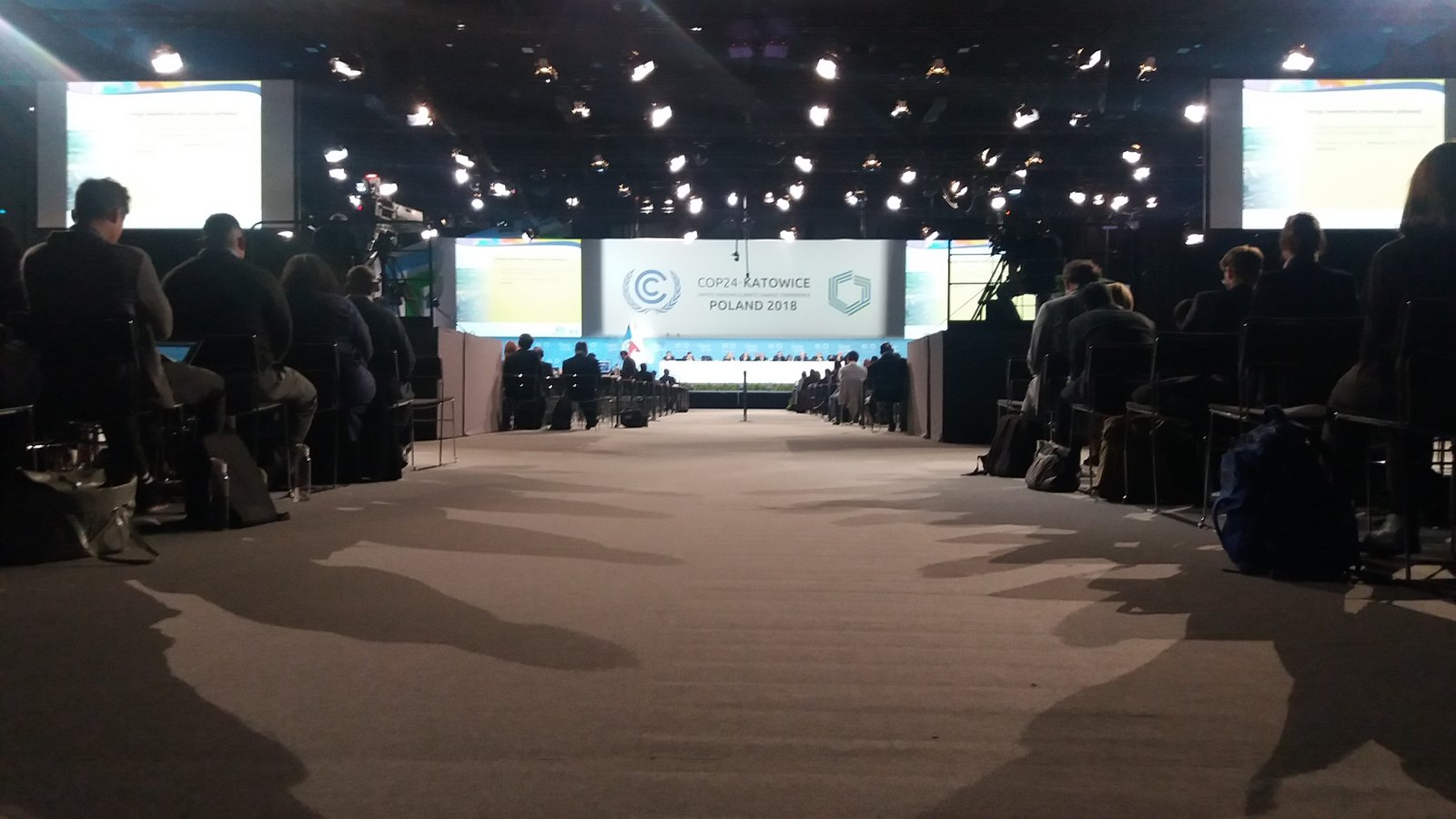
The COP31 UN climate conference in Antalya, Türkiye, ended on Sunday 22 November 2026 without an agreed overarching cover decision, after the European Union, the United Kingdom, Panama and other parties rejected a draft that left out fossil fuels, UN News reported. This follows earlier casrai coverage of the negotiations; the new development is the outcome itself, which leaves climate science and research funders with no consolidated political text from the conference.
What happened
COP31 ran from 9 to 20 November and then spent two further days in overtime before closing on 22 November, according to UN News. COP31 President Murat Kurum, Türkiye’s environment minister, told delegates: “I understand that there is no agreement on this text. For that reason, these decisions have not been adopted.”
The draft at the centre of the failure was called the “Antalya Pact” in Inter Press Service reporting. The EU formally objected to the cover decision, saying it could not accept a text with no reference to fossil fuels or a transition away from them; Ireland’s climate minister Darragh O’Brien, speaking for the EU, called such an omission “unconscionable”. Panama said governments should act rather than negotiate the minimum, and the Marshall Islands withheld support, saying the deal failed frontline countries.
Other delegations took a different line. Pakistan urged continued work toward consensus, Ghana, for the African Group, said the group would not block consensus despite shortcomings on finance, loss and damage and just transition, and Saudi Arabia, for the League of Arab States, defended references to carbon capture and storage. Delegations generally described the draft as “the lowest common denominator”, per UN News.
Key details
Inter Press Service listed five disputes behind the collapse and their status once the cover decision fell:
| Issue | What the draft contained | Status |
|---|---|---|
| Fossil fuels | An early draft had explicit transition language; later versions removed it. The final text recalled the COP28 Dubai agreement without naming fossil fuels. More than 130 countries had sought to reaffirm it. | Not adopted |
| Adaptation finance | At least US$120 billion a year by 2035 was dropped, leaving a vague ambition to triple funding. | Not adopted |
| 1.5°C and carbon removal | The text acknowledged warming is projected to exceed 1.5°C and promoted gigatonne-scale carbon capture by 2035. | Not adopted |
| Electrification | Raise electricity’s share of final energy consumption to 35% by 2035. More than 90 countries backed a separate electrification initiative. | Target not adopted |
| Trade measures | Cooperation to prevent climate measures becoming disguised trade restrictions; developing countries challenged the EU’s Carbon Border Adjustment Mechanism. | Unresolved |
Not everything in Antalya depended on the cover decision. Down To Earth reported that the opening plenary on 9 November adopted an agenda including a standalone Climate Finance Work Programme, and a consultation on mountains and climate change to be taken up in a research dialogue alongside the 66th session of the Subsidiary Body for Scientific and Technological Advice (SBSTA). At the close, Chris Bowen, the President of Negotiations, said in remarks compiled by Reuters that “an obvious issue is the transition away from fossil fuels, where some parties insisted that must be mentioned, other parties insisted that if it was mentioned they would veto.” Brazil’s negotiator Liliam Chagas said the cover decision needed space “to address overshoot, to enhance science, the tripling of adaptation finance” and more ambition on regional climate finance.
Background and context
The Climate Finance Work Programme adopted onto the COP31 agenda stems from the Global Mutirão decision at COP30 in Belém, which set a two-year work programme on climate finance, according to Down To Earth. Casrai’s earlier posts followed the Antalya talks as they developed: the final-week outlook on climate finance and IPCC science, the Presidency draft inviting the IPCC to deliver its reports before the 2028 stocktake, and the draft’s overshoot, research dialogue and observation-network text. The 2028 process is explained in our guide to the global stocktake.
Reaction
UN Secretary-General António Guterres called the outcome “deeply disappointing” and said: “There may be no consensus in the negotiating room. There is no ambiguity in the science.” He said the world is on course to exceed the 1.5°C limit, that fossil fuels are the main driver of warming, and that the priority now is to accelerate and finance the transition away from them agreed at COP28. He urged scientists, young people, Indigenous Peoples and frontline communities to “keep spreading the facts”.
Yamide Dagnet of the Natural Resources Defense Council said the outcome “failed to meet the moment”, criticising inadequate adaptation and resilience finance. Dr Jeni Miller of the Global Climate and Health Alliance said the process had delivered neither a plan for the fossil fuel transition nor the finance needed to protect health systems. Fatima Eisam-Eldeen of the University of Barcelona said “no agreement is better than a bad agreement”, per Inter Press Service.
What it means for researchers, universities and research offices
For climate science, the practical effect is that the political signal many research programmes plan around did not arrive. The cover decision carried the headline language on 1.5°C overshoot, and it was not adopted; the science behind that language is untouched. Guterres’s statement that there is “no ambiguity in the science” places weight on assessments and observations that continue regardless of the negotiating result.
Research offices tracking funding should note the finance picture. The adaptation finance proposal of US$120 billion a year by 2035 did not survive. Down To Earth cited the UNEP Adaptation Gap Report 2026 as finding that international public adaptation finance to developing countries reached US$28.2 to 31.7 billion in 2024 against estimated annual needs of US$305 billion by 2035. Institutions that depend on adaptation or loss-and-damage funding streams, including partnerships with universities in developing countries, should not assume a larger pool is coming from this conference.
Work placed on the agenda at the opening plenary has a separate footing from the failed cover decision. The mountains consultation, to be taken up in a research dialogue alongside SBSTA 66, was adopted with the agenda on 9 November, so groups preparing dialogue submissions can keep following that item. Teams writing for the 2028 stocktake should read the stocktake guide and the earlier IPCC-timeline coverage and confirm timetables against the official UNFCCC documents once the session reports are published.
What happens next
UN News and Inter Press Service report no date or venue for resumed negotiations. Down To Earth reported that the seventh review of the financial mechanism was deferred to COP32, and that submissions for the next trade and climate change dialogue in Bonn will be invited. Guterres named deeper emissions cuts this decade, faster fossil fuel transition and more adaptation finance as the priorities from here.
Sources
- UN News, report on the close of COP31 and the Secretary-General’s statement, 22 November 2026
- Inter Press Service, COP31 cover deal collapses as EU and others reject draft over fossil fuel omission, November 2026
- Down To Earth, COP31 adopts climate finance work programme; proposals for adaptation funding, trade measures dropped, 10 November 2026
- Reuters via Devdiscourse, QUOTES-Countries react as COP31 climate talks collapse, 22 November 2026


