
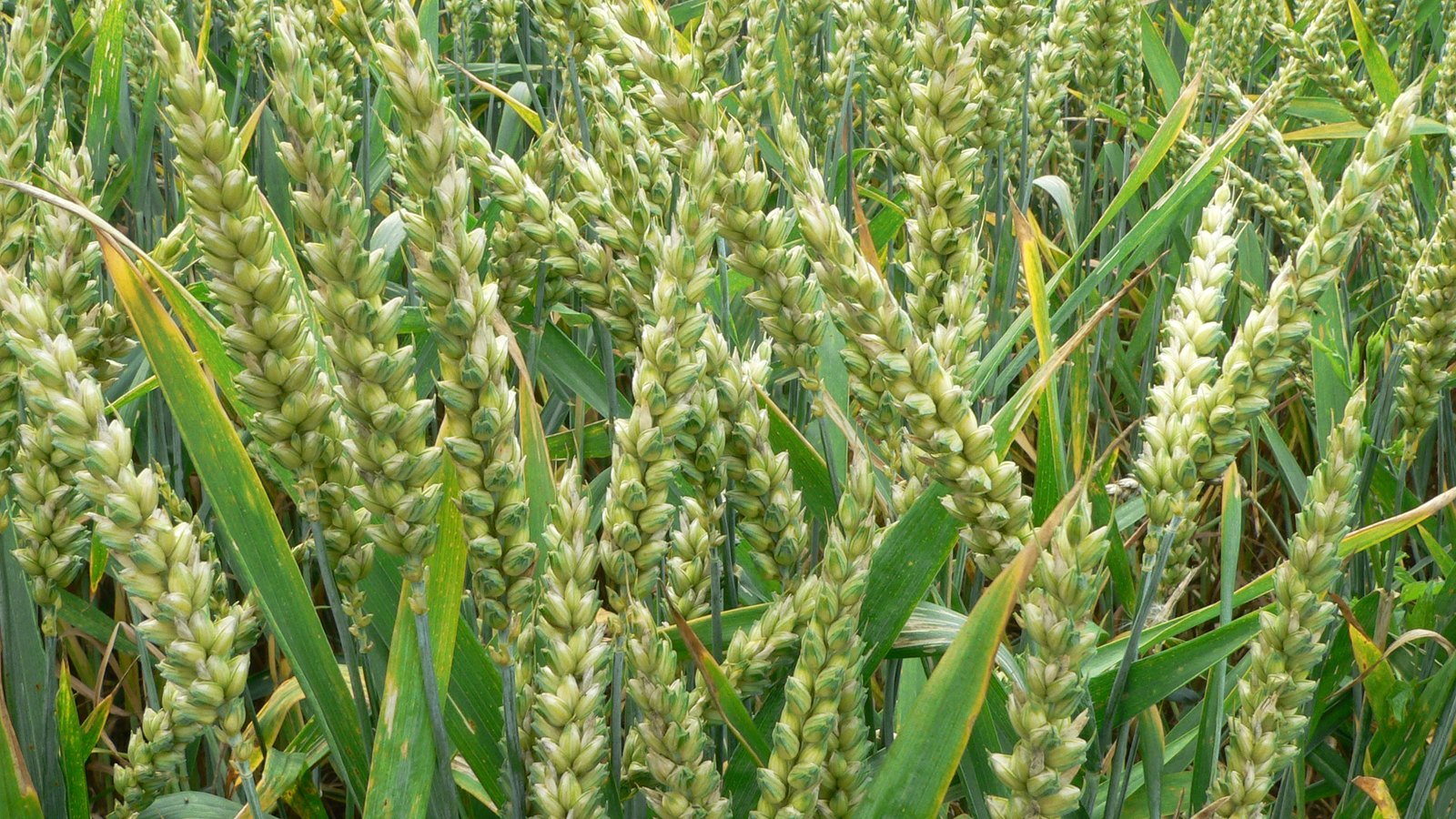
On 27 November 2026, the UK Department for Environment, Food and Rural Affairs (Defra) opened statutory public representations on an application from the John Innes Centre to conduct deliberate field releases of genetically modified bread wheat (Triticum aestivum). Registered under reference 26/R52/01, the application seeks consent for multi-year agronomic trials at the institute’s Church Farm research station in Bawburgh, Norfolk, evaluating genetic strategies designed to increase grain weight and floret fertility without causing compensatory yield penalties. Public representations on environmental and biosafety considerations remain open through 16 January 2027 ahead of scientific risk assessment by the Advisory Committee on Releases to the Environment.
Application 26/R52/01 and the John Innes Centre Research Scope
The statutory consultation notice published by Defra details a Part B deliberate release application submitted by the Director of the John Innes Centre (JIC), a BBSRC-supported plant and microbial biology institute based at Norwich Research Park. Developed under the institute’s Delivering Sustainable Wheat strategic programme, the trial addresses a persistent bottleneck in cereal breeding: the trade-off between grain weight and grain number per ear, which historically prevents net yield gains in selectively bred wheat lines.
To overcome this yield ceiling, JIC researchers engineered three complementary genetic modifications into UK elite wheat cultivars:
- Ectopic overexpression of TaExpA6 (PinB::TaExpA6): Fuses the root alpha-expansin gene TaExpA6 to an endosperm-specific Puroindoline-b (PinB) promoter. This drives expansin expression selectively in the developing grain 10 to 20 days after anthesis, promoting cell-wall loosening during grain expansion without depressing ear grain counts.
- CRISPR/Cas9 knockouts in GW2 homoeologs: Introduces targeted loss-of-function edits across all three homoeologous alleles (GW2-A, GW2-B, and GW2-D) of the negative regulator GRAIN WEIGHT2, conferring additive increases of approximately 20 percent in thousand grain weight.
- CRISPR/Cas9 knockouts in GNI1 and GNI2: Inactivates the floret-fertility repressor genes GRAIN NUMBER INCREASE1 and GNI2, raising the number of fertile florets and grain set per spike.
- Stacked combination lines: Evaluates backcross lines (Paragon BC4) combining PinB::TaExpA6 overexpression with gw2 loss-of-function alleles to test for additive and synergistic yield improvements.
The experimental lines are tested in leading UK cultivars, including Paragon (spring wheat), Skyfall (winter wheat), and Bamford (winter wheat), alongside Soissons and unmodified controls.
Trial Layout, Dimensions, and Containment Protocols
The proposed trials will take place at JIC’s Church Farm field station in Bawburgh, Norfolk (Ordnance Survey grid reference TG 149 087). Plots will sit within a dedicated 110-metre by 160-metre fenced enclosure (17,600 square metres) known as Football Field, which is reserved for regulated plant biotechnology research. Testing these plants across commercial soil conditions directly evaluates the foundational principles of agronomy, bridging glasshouse proof-of-concept genetics with agricultural production.
The five-year trial schedule spans from spring 2027 through autumn 2031. Year 1 (2027) includes both a spring sowing (March to April) and an autumn sowing (October) on separate plots, occupying up to 3,086 square metres of experimental area and 3,748 square metres total including pollen barriers. Years 2 to 5 feature single annual sowings occupying up to 1,543 square metres (1,874 square metres with pollen barriers). The trial incorporates up to 168 six-square-metre yield plots alongside small one-square-metre seed-bulking nursery plots.
Containment protocols follow established UK biosafety standards, aligning with biotechnology field trial protocols at Rothamsted Research. Because wheat is over 99 percent self-pollinating with pollen viability under thirty minutes, cross-pollination risk is exceptionally low. No sexually compatible wild grasses in the UK form spontaneous hybrids with bread wheat. Precautionary containment measures include a 2-metre non-GM wheat pollen barrier, an uncropped 20-metre isolation perimeter free from all cereals, perimeter security fencing, bird netting, and weekly documented monitoring by trained staff.
Regulatory Tracks: Part B GM Release vs Precision Breeding Act 2023
Application 26/R52/01 illustrates the dual regulatory landscape governing UK crop genetics. Under the Genetic Technology (Precision Breeding) Act 2023, targeted edits that could have occurred naturally or through traditional breeding can proceed via a streamlined notification system. However, because JIC’s trial incorporates transgenic elements—specifically ectopic Agrobacterium-derived expression vectors with the PinB::TaExpA6 construct and plant-specific selectable markers—the release legally requires full Part B statutory consent.
Under Part B of the Environmental Protection Act 1990 and the Genetically Modified Organisms (Deliberate Release) Regulations 2002, deliberate non-marketing releases require formal consent from the Secretary of State. The application was entered onto the Defra deliberate release register and referred to the independent Advisory Committee on Releases to the Environment (ACRE) for statutory environmental risk assessment.
The table below summarizes the statutory differences between the two UK regulatory pathways:
| Regulatory Attribute | Part B Deliberate Release (26/R52/01) | Precision Breeding Act 2023 Route |
|---|---|---|
| Primary Statutory Basis | Environmental Protection Act 1990 (Part B) and GMO Regulations 2002 | Genetic Technology (Precision Breeding) Act 2023 |
| Permitted Modifications | Transgenic cassettes, ectopic promoters, cisgenic and synthetic vectors | Targeted edits and deletions achievable via natural breeding |
| Scientific Assessment Body | Advisory Committee on Releases to the Environment (ACRE) | ACRE Precision Breeding Advisory Committee |
| Public Representation Window | Mandatory 48-day statutory public consultation on public register | Central register entry without mandatory representation window |
| Containment Requirements | Prescribed 2 m pollen barrier, 20 m cereal-free isolation zone, netting | Standard agronomic plot management without statutory isolation buffers |
| Post-Trial Surveillance | Mandatory 2-year volunteer wheat monitoring and recorded destruction | No statutory post-trial volunteer surveillance requirement |
Implications for University Research Offices and Biosafety Officers
The submission of application 26/R52/01 offers practical operational insights for academic institutions, university biosafety officers, and research managers overseeing crop biotechnology projects. Field-scale releases supported by public grants require early alignment with UKRI ethics and responsible research and innovation requirements. Institutional Genetic Modification Safety Committees must verify vector lineages, review antibiotic marker classifications, and coordinate documentation across university compliance offices before applications are submitted to Defra.
International research partnerships moving experimental wheat germplasm or genetic vectors across borders also require adherence to import and export regulations, including securing USDA APHIS import permits when exchanging biological materials with US collaborator facilities. Maintaining comprehensive provenance records prevents regulatory delays during international seed transfers.
In addition, trial sites demand structured plot management systems similar to regulated agricultural frameworks like the IR-4 Project. For JIC’s Church Farm trial, operational controls require thorough equipment clean-downs between plots, secure post-harvest disposal of unanalyzed plant material, and two subsequent years of volunteer weed monitoring.
Public Representation Timeline and Next Statutory Steps
Defra’s public consultation on application 26/R52/01 is open through 16 January 2027. Written representations from researchers, industry bodies, environmental groups, and the public must focus on potential environmental or biosafety risks from the proposed release.
Submissions must include application reference 26/R52/01 and can be sent by post to the GM Team, Department for Environment, Food and Rural Affairs, Second Floor, Seacole Building, Marsham Street, London, SW1P 4DF, or by email to [email protected]. Valid representations will be forwarded to ACRE for consideration during its risk assessment.
Following ACRE’s advice and consultations with statutory bodies such as Natural England and the Food Standards Agency, the Secretary of State will decide whether to grant consent. If approved, statutory conditions will govern plantings beginning in spring 2027.
Sources
- Department for Environment, Food and Rural Affairs: Genetically modified organisms: John Innes Centre (26/R52/01), checked 2026-11-27
- Department for Environment, Food and Rural Affairs: Genetically modified organisms: applications, decisions and notifications, checked 2026-11-27
- Advisory Committee on Releases to the Environment: Statutory guidance and advisory role, checked 2026-11-27
- John Innes Centre: Delivering Sustainable Wheat (DSW) research programme, checked 2026-11-27
- Rothamsted Research: Field trialling GM and GE crops at Rothamsted, checked 2026-11-27






