

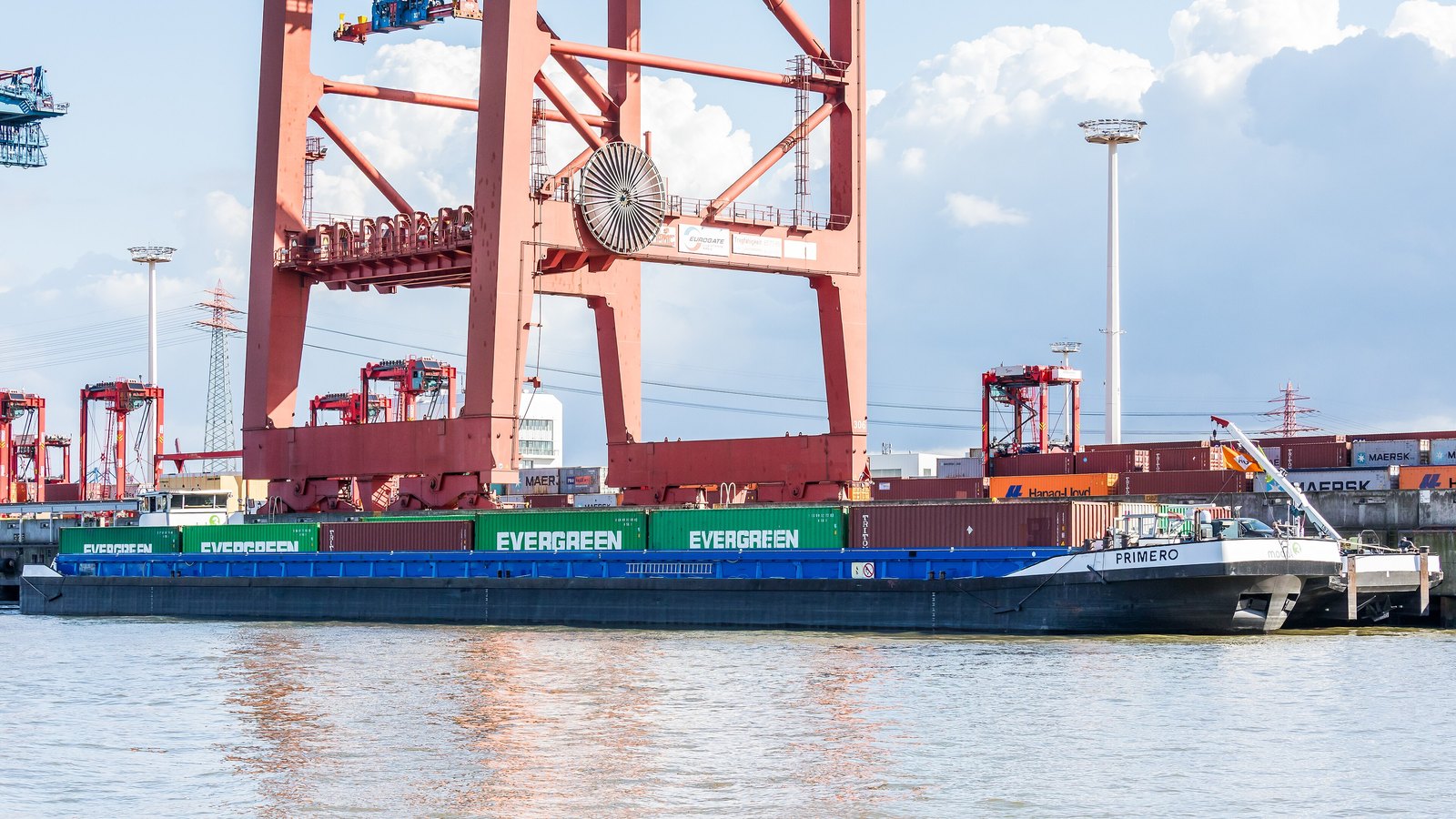
On 27 November 2026, the UK Department for Business and Trade (DBT)—publishing under the Department for Business, Innovation, Science and Trade (BIST)—released the operational CPTPP-EU supply chain early warning network: terms of reference alongside the CPTPP joint ministerial statement from the 11th commission meeting, 27 November 2026, building directly on the ministerial dialogue detailed in our earlier report on how CPTPP Ministers Issue Joint Trade and Investment Statements With European Union and ASEAN.
Operational Mandate and Institutional Structure of the Early Warning Network
The published terms of reference formalise an inter-bloc alert mechanism designed to detect and address emerging bottlenecks across supply chains connecting Europe and the Indo-Pacific. Established under the CPTPP-EU Trade and Investment Dialogue, the network brings together designated senior officials and expert focal points from the European Commission and all twelve signatory parties of the Comprehensive and Progressive Agreement for Trans-Pacific Partnership: the United Kingdom, Japan, Canada, Australia, Singapore, Malaysia, Vietnam, Chile, Peru, Mexico, New Zealand, and Brunei Darussalam.
Under the agreed operational structure, the network is jointly co-chaired by the European Union and a rotating CPTPP party. Japan serves as the initial CPTPP co-chair for a one-year tenure through late 2027, after which any CPTPP member economy may volunteer for the role. Participating governments maintain a consolidated registry of expert-level technical contacts, reviewed annually to ensure rapid coordination during supply disruptions.
The network functions as a voluntary, non-binding consultation forum operating in alignment with domestic laws, regulations, and international obligations. By consensus, participating economies may invite non-governmental officials, technical standard-setters, and sector specialists to join ad hoc sessions when assessments require specialised technical expertise.
Trigger Mechanisms and Cross-Bloc Disruption Notifications
The network is designed to alert counterpart authorities to emerging trade frictions before regional shortages create systemic international bottlenecks. Participating economies can initiate notifications upon identifying severe procurement difficulties involving strategic, critical, or essential materials, or when major transport and logistics shocks threaten trade flows between the European Union and CPTPP parties. Member states may raise issues across any sector that could significantly impact economic activity or diversification efforts.
Following a notification, member economies may request ad hoc technical meetings to assess upstream dependencies and downstream transmission risks. To protect commercial proprietary data, all information shared across the network is governed by strict statutory confidentiality protocols under domestic disclosure laws.
The table below summarizes the key operational parameters, governance rules, and administrative thresholds established in the formal terms of reference:
| Governance Area | Institutional Specification | Responsible Authorities | Operational Cadence |
|---|---|---|---|
| Network Leadership | Bilateral co-chairmanship between the EU and a rotating CPTPP party | European Commission and Japan (inaugural CPTPP co-chair) | Annual rotation or incumbent extension |
| Focal Point Registry | Designated expert-level government representatives and technical leads | 12 CPTPP member states and European Commission DG Trade | Annual review and ad hoc updates |
| Disruption Triggers | Procurement bottlenecks for critical goods, logistics shocks, and spillovers | Participating national trade and industry ministries | Ad hoc notifications upon emerging threat identification |
| Confidentiality Framework | Voluntary information sharing protected by domestic statutory rules | Designated national regulatory bodies and inter-bloc focal points | Continuous enforcement across briefings |
| Capacity Building | Technical seminars, risk simulations, and analytical workshops | CPTPP parties, European Commission, and invited technical experts | Convened upon request by member economies |
| Governance Review | Comprehensive institutional assessment and review of terms of reference | Consensus of all 13 participating economic authorities | Mandate review scheduled by the end of 2027 |
The 11th CPTPP Commission: Economic Coercion and Treaty Upgrades
Publication of the network terms of reference coincided with the 11th CPTPP Commission meeting in Ha Noi, hosted by Vietnam. Ministers representing all twelve parties endorsed a joint ministerial statement articulating six core strategic pillars: keeping the treaty fit for the future, expanding membership under the Auckland Principles, delivering utilization benefits, strengthening institutional capacity, expanding regional partnerships, and safeguarding agreement integrity.
Ministers instructed officials to accelerate chapter negotiations across electronic commerce, services, customs administration, competitiveness, and women’s economic empowerment, targeting substantial conclusion by mid-2027. The Commission established a coordination platform on economic coercion to mitigate vulnerability to unilateral trade pressure, advanced reviews of state-owned enterprise disciplines under OECD guidelines, and established an ad hoc working group targeting duty circumvention and illegal transhipment.
To support this expanding agenda, ministers approved an interim CPTPP Support Office in Japan to begin operations in 2027. Vietnam highlighted business matching initiatives in Ho Chi Minh City, Chile continues annual economic modeling of agreement impacts, and Peru was confirmed as the 2027 Commission chair.
Implications for Advanced Research Facilities, Semiconductors, and Lab Procurement
For research universities, national laboratories, and advanced manufacturing consortia, an integrated CPTPP-EU alert network provides a buffer against technology supply disruptions. Scientific facilities depend on supply corridors linking European precision engineering with Indo-Pacific manufacturing. Early warning alerts interface directly with institutional supplier risk assessment protocols, providing procurement managers advance notice of export restrictions, material shortfalls, and transit delays.
The semiconductor ecosystem is a central focus of inter-bloc supply chain coordination. Cleanrooms and computing facilities rely on European lithography tooling, Japanese photoresists and silicon wafers, and Southeast Asian packaging capacity. Aligning inter-regional trade dialogues reinforces the strategic resilience goals of the European Chips Act, helping identify shortages in precursor chemicals, noble gases, and substrate materials before cleanrooms face operational downtime. Research managers can evaluate dual-use supply chains and buffer inventories using CASRAI’s guidance on semiconductor supply chain risk management.
Life sciences and clinical research facilities similarly benefit from coordinated oversight of active pharmaceutical ingredients (APIs), specialized reagents, and analytical instruments. Timely alerts allow academic medical centers and trial sponsors to maintain supply continuity for critical clinical research materials.
Strategic Alignment and Multilateral Trade Policy Context
The initiative reflects growing recognition among international trade authorities that bilateral planning alone cannot absorb compound trade shocks. Official notices from the European Commission DG Trade highlight that linking the single market with CPTPP economies creates a rules-based framework to protect economic security across both blocs.
Independent trade policy research from Chatham House indicates that multilateral early warning networks are critical for shifting from reactive crisis response to proactive resilience. In an environment of heightened export controls and geopolitical fragmentation, formal notification channels among partner economies foster regulatory predictability for research institutions and high-technology industries.
Implementation Timelines and Future Milestones
The early warning network enters immediate effect following adoption of the terms of reference. In 2027, Japan and the European Commission will convene inaugural coordination meetings, finalize the technical focal point registry, and organize capacity-building seminars. Concurrently, the interim CPTPP Support Office in Japan will establish administrative operations.
CPTPP parties will pursue the mid-2027 deadline for modernising treaty chapters on digital trade and customs facilitation. Under Peru’s 2027 Commission leadership, parties will evaluate progress on economic coercion countermeasures. A comprehensive review of the early warning network’s operations by all participating economies will conclude before the end of 2027, determining future institutional developments.
Sources
- Department for Business and Trade: CPTPP-EU supply chain early warning network terms of reference, checked 2026-11-27
- Department for Business and Trade: CPTPP joint ministerial statement from the 11th commission meeting, checked 2026-11-27
- European Commission DG Trade: EU launches Supply Chain Early Warning Network with Trans-Pacific bloc, checked 2026-11-27
- Chatham House: International Trade and Supply Chain Resilience, checked 2026-11-27






