
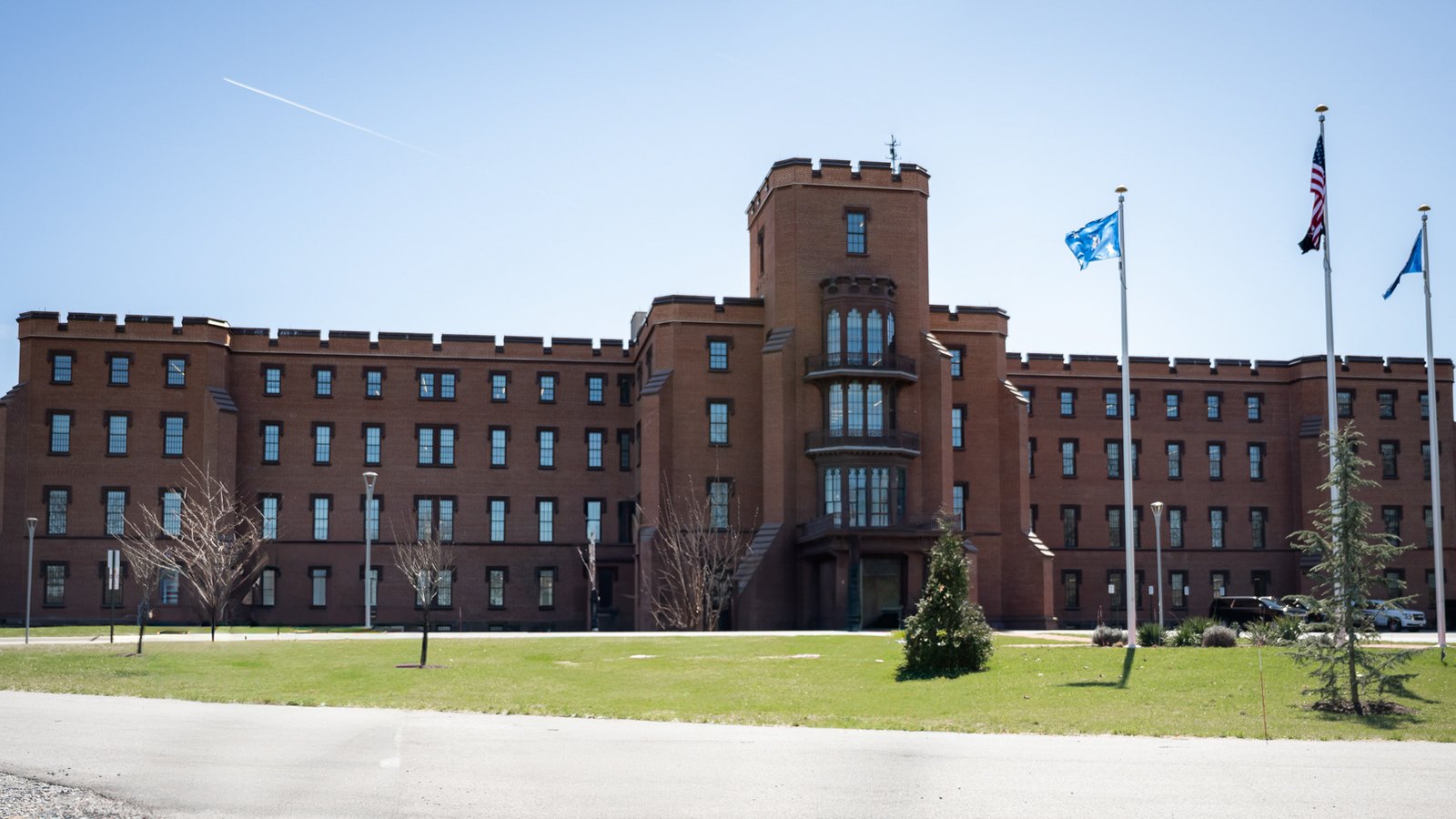
Following its information collection on OMB Circular A-11 customer experience surveys, the US Department of Homeland Security opened public comment on November 23, 2026, to renew OMB Control Number 1601-0035. Administered by the Office for Civil Rights and Civil Liberties, the intake instrument standardizes formal abuse complaints and privacy waivers across port-of-entry inspections, detention facilities, and federal immigration enforcement operations.
Notice of information collection renewal
On November 23, 2026, the Department of Homeland Security published a 60-day notice in the Federal Register inviting public feedback on reinstating its standardized civil rights reporting instrument. The filing, designated under Federal Register Notice 2026-23736 (91 FR 75521; Docket Number DHS-DHS-2026-0298), covers the DHS Civil Rights and Civil Liberties Complaint and Privacy Waiver Form. This action complies with the Paperwork Reduction Act of 1995 and updates the previous administrative collection to incorporate current 2026 operational records.
The collection allows travelers, non-governmental organizations, and institutional representatives to document alleged violations of constitutional protections, civil liberties, or statutory rights committed by department personnel or during department-funded activities. While electronic submission through the dedicated portal remains the primary intake channel, DHS confirmed that use of the form is mandatory for formal investigations, though complainants are not required to complete every individual field to initiate an agency inquiry.
Key collection parameters and burden metrics
The formal notice sets out the operational scope, estimated public burden, and statutory authorities governing the information collection. Under 5 CFR 1320.1, the public review evaluates whether the intake mechanism provides practical utility, tests the accuracy of agency burden estimates, and explores methods to minimize compliance friction through technological enhancements.
| Parameter | Specification | Regulatory Detail |
|---|---|---|
| Collection Title | DHS Civil Rights and Civil Liberties Complaint and Privacy Waiver Form | Standardized intake for external civil rights and civil liberties allegations |
| OMB Control Number | 1601-0035 | Reinstatement without change of previously approved collection |
| Federal Register Citation | 91 FR 75521 (Doc. 2026-23736) | 60-day notice published November 23, 2026; Docket DHS-DHS-2026-0298 |
| Enabling Statutes | 6 U.S.C. 345 and 42 U.S.C. 2000ee-1 | Statutory mandates for CRCL review, coordination, and public reporting |
| Target Respondents | 13,000 respondents annually | Members of the public, travelers, legal counsel, and non-profit organizations |
| Response Burden | 30 minutes (0.5 hours) per response | Total estimated annual public burden of 6,500 hours (390,000 minutes) |
| Intake Platform | Mandatory web form interface | DHS digital submission system with optional non-mandatory fields |
| Privacy Architecture | SORN DHS/ALL-029 Records System | CRCL Privacy Impact Assessment and federal privacy waiver execution |
| Comment Deadline | January 19, 2027 | Federal eRulemaking Portal docket submissions via Regulations.gov |
According to historical records cataloged in the federal regulatory dashboard at OMB Office of Information and Regulatory Affairs, this clearance renewal preserves the baseline burden profile established during prior administrative cycles while expanding automated case routing. The collection supports both individual complaint adjudication and systemic pattern analysis.
Statutory mandates and investigative referral workflow
The statutory core of the Office for Civil Rights and Civil Liberties rests on Section 705 of the Homeland Security Act of 2002 (6 U.S.C. 345) and Section 803 of the Implementing Recommendations of the 9/11 Commission Act of 2007 (42 U.S.C. 2000ee-1). These statutes require CRCL to review and assess allegations of civil rights abuses, profiling, and discrimination across all operational components, including US Customs and Border Protection (CBP), US Immigration and Customs Enforcement (ICE), and the Transportation Security Administration (TSA).
A critical procedural element detailed in the notice is the strict division of investigative authority between CRCL and the DHS Office of Inspector General (OIG). Upon receiving an external complaint, CRCL must transmit copies of all allegations within its jurisdiction to the OIG, which maintains statutory right of first refusal. Only if the Inspector General declines to open an independent investigation may CRCL proceed with its own inquiry.
When CRCL proceeds, it liaises with designated component compliance officers, routes requests for operational records, and logs case metadata into its Complaint Management System. Even when individual complaints are not formally investigated, the database records feed systemic trend analyses that prompt agency advisories or operational policy reviews. The DHS Office for Civil Rights and Civil Liberties uses these findings to deliver formal recommendations to component leadership and track corrective implementations.
Institutional scrutiny and border screening concerns
Federal information collections governing civil rights complaints at homeland security agencies have attracted sustained scrutiny from civil liberties organizations, legal scholars, and higher education associations. A primary focus involves secondary inspections, electronic device searches, and biometric screening of international travelers at land ports of entry and international airport preclearance facilities.
Civil liberties advocates at the American Civil Liberties Union have repeatedly challenged the legal thresholds used by border personnel to conduct manual and forensic searches of smartphones and laptops without judicial warrants. While border agencies maintain broad statutory authority under border search exceptions, advocacy groups emphasize that exhaustive forensic extractions can expose privileged communications, confidential research notes, and personal biometric data. The CRCL complaint mechanism represents one of the few administrative avenues available to travelers seeking redress after experiencing invasive secondary screenings.
Similarly, privacy analysts at the Electronic Frontier Foundation have highlighted how electronic search protocols and digital border inspections impact scholars carrying proprietary software, pre-publication findings, or sensitive experimental datasets. When travelers face questioning regarding professional affiliations or research activities, the privacy waiver embedded in OMB Control Number 1601-0035 becomes necessary to permit third-party legal advocates or university representatives to access government records and monitor complaint status.
Implications for universities and research security officers
The renewal of OMB Control Number 1601-0035 directly intersects with university governance, international scholar mobility, and institutional compliance frameworks. Academic institutions frequently assist international faculty, postdoctoral fellows, and visiting scientists who encounter secondary inspections or visa delays when returning from international fieldwork or attending overseas symposia.
University global mobility advisors and international scholar offices increasingly coordinate with institutional leaders in research security to establish clear institutional travel protocols. When foreign researchers encounter extended questioning at ports of entry regarding dual-use technologies or academic collaborations, institutions must document the incident while ensuring compliance with export control laws and deemed export regulations. A formal CRCL complaint provides a structured mechanism to record instances where questioning exceeds standard immigration verification or touches on protected civil liberties.
Campus counsel and each designated research security officer must also understand the legal mechanics of the CRCL privacy waiver. Because federal privacy laws restrict DHS components from sharing investigative records with third parties, a scholar who experiences a border incident must execute the privacy waiver form to authorize university counsel to intervene. Furthermore, compliance executives operating within a broader integrity and compliance framework rely on these standardized administrative filings to track systemic port-of-entry delays affecting institutional research continuity.
Comment procedures and forthcoming regulatory milestones
DHS has established a 60-day public comment period running through January 19, 2027. All interested parties, including university associations, administrative law researchers, and privacy advocacy groups, may submit formal feedback through the Federal eRulemaking Portal at Regulations.gov using Docket Number DHS-DHS-2026-0298.
The department specifically invites comments assessing whether the collection provides practical utility, evaluating the validity of the estimated 30-minute burden per response, and identifying technological enhancements that could streamline electronic submissions. Submissions must reference the agency name and docket identifier, and all public comments will be posted to the federal docket without redactions.
Following the close of the 60-day comment window, DHS will review public submissions, prepare any necessary methodological revisions, and issue a second notice in the Federal Register initiating a subsequent 30-day review period administered directly by the Office of Management and Budget. Once approved by OMB, the reinstated collection will carry an active clearance extending operational complaint intake through 2029.
Sources
- Office of the Federal Register: Agency Information Collection Activities: DHS Civil Rights and Civil Liberties Complaint and Privacy Waiver Form, 1601-0035, checked 2026-11-29
- Department of Homeland Security: Office for Civil Rights and Civil Liberties, checked 2026-11-29
- Office of Information and Regulatory Affairs: View Information Collection Request (ICR) Package, checked 2026-11-29
- American Civil Liberties Union: Can Border Agents Search Your Electronic Devices? It’s Complicated., checked 2026-11-29
- Electronic Frontier Foundation: Defending Privacy at the U.S. Border: A Guide for Travelers Carrying Digital Devices, checked 2026-11-29






