
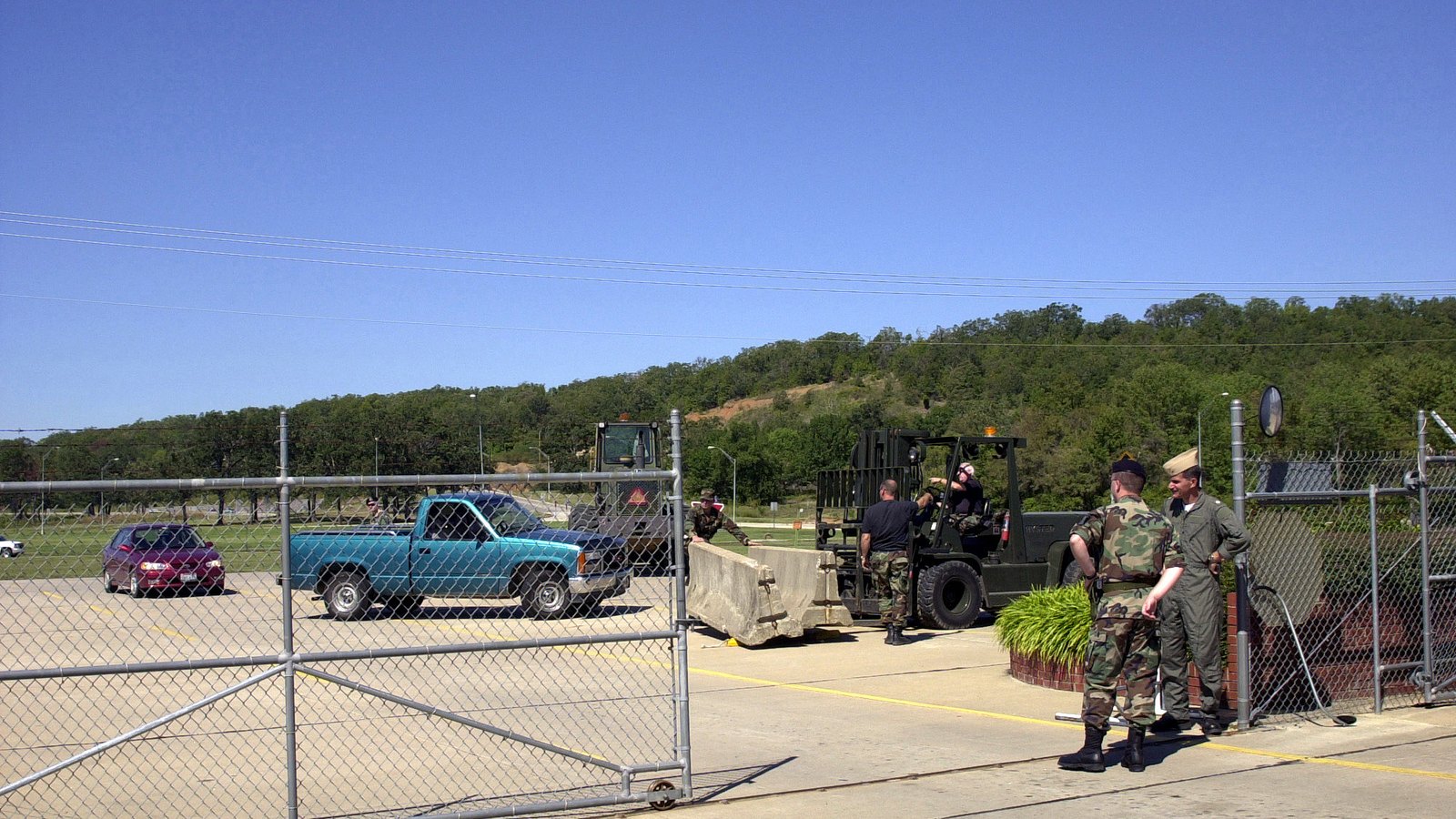
On November 24, 2026, the Department of Defense officially submitted an information collection renewal to the Office of Management and Budget for DD Form 3058, the mandatory Consent to Conduct Installation Records Check used to screen civilian personnel, contractor staff, and healthcare professionals operating on military installations. Published in the Federal Register, the thirty-day notice opens a public comment period closing December 24, 2026, directly affecting academic medical centers, university research teams, and defense contractors with base-access responsibilities.
Defense Department Submits DD Form 3058 Vetting Extension to OMB
The Department of Defense submitted a formal request under the Paperwork Reduction Act of 1995 to renew and extend OMB Control Number 0704-0586, which authorizes the collection of background consent data through DD Form 3058. Issued by the Office of the Under Secretary of Defense for Personnel and Readiness, the notice documents the administrative vetting apparatus required to determine the suitability and fitness of individuals seeking employment, volunteer roles, or contractual assignments on military installations. The submission establishes an annual reporting threshold of 14,000 respondents, representing an aggregate burden of 2,333 hours across the armed services and defense defense agencies.
DD Form 3058, designated as the Consent to Conduct Installation Records Check, functions as a legal release authorizing defense security personnel and military law enforcement to inspect local installation records. This specialized screening applies across all branches of the military services, capturing local police blotters, provost marshal databases, security forces incident systems, and installation-specific family advocacy records that national criminal repositories routinely omit. While individual completion of the form is technically voluntary, submission is legally mandatory for any candidate or contractor seeking authorization to work in facilities where access to minors or sensitive operational units is required.
Information Collection Metrics and Screening Parameters
The regulatory filing outlines key quantitative parameters governing the installation records check process. Each respondent requires approximately 10 minutes (0.1667 hours) to complete the disclosure and consent documentation, reflecting a streamlined administrative process designed for rapid intake and verification. The following table summarizes the verified operational metrics and regulatory boundaries established in the submission:
| Parameter | Regulatory Metric or Specification | Administrative Authority |
|---|---|---|
| Information Collection Title | Consent to Conduct Installation Records Check (DD Form 3058) | DoD Office of the Secretary |
| OMB Control Number | 0704-0586 (Extension Request) | Office of Management and Budget |
| Federal Register Docket | Docket ID DOD-2026-OS-2047, Document 2026-23925 | National Archives and Records Administration |
| Annual Respondent Volume | 14,000 individuals across civilian, military, and contractor cohorts | DoD Personnel and Readiness |
| Average Response Time | 10 minutes per respondent (1 response annually per participant) | Paperwork Reduction Act Estimate |
| Total Annual Reporting Burden | 2,333 aggregate hours | OMB Information Collection Review |
| Re-vetting Interval | Every 5 years for recurring positions and long-term contractors | DoD Instruction 1402.05 |
| Public Comment Period | 30 calendar days, closing December 24, 2026 | Office of Information and Regulatory Affairs |
The scope of the screening extends across an expansive range of installation activities. Beyond standard youth programs, covered sectors include child protective services, faith-based programs, behavioral health and medical treatment clinics, youth sports, social services, educational instruction, and detention facilities. Medical personnel subject to the check include staff physicians, dentists, nurse practitioners, and allied health technicians operating within military treatment facilities and affiliated clinics.
Regulatory Background and Statutory Clearance Authorities
The installation records check operates under the formal authority of DoD Instruction 1402.05, titled Background Checks on Individuals in DoD Child Care Services Programs, together with its implementing manual. Under defense directives, all personnel who maintain regular contact with children under 18 years of age in defense-sanctioned programs and hold an existing or prior affiliation with the Department of Defense must undergo this check. The policy ensures that installation-level disciplinary records, base-housing domestic disturbance reports, and local security infractions are evaluated alongside federal criminal registries.
This localized vetting protocol integrates into the broader federal personnel vetting continuum managed by the Defense Counterintelligence and Security Agency, which oversees national background investigations, fingerprint processing, and continuous vetting for the federal government. Furthermore, statutory standards governing personnel suitability and defense clearances derive from 10 U.S. Code Section 1564, which mandates consistent background investigations and clearance procedures for defense employees and contractors. The installation records check fulfills a targeted statutory role by closing information gaps between municipal law enforcement databases and military base incident logs.
Impacts on Defense Contractors, Academic Medical Centers, and Research Facilities
The requirements codified in DD Form 3058 carry substantial operational implications for external partner organizations, including defense industrial contractors, university hospital networks, and research institutions conducting field trials on military reservations. When academic medical centers partner with military healthcare systems to deliver pediatric, clinical, or psychological services, clinical faculty, post-doctoral fellows, and research coordinators must clear the installation check before gaining physical or operational access to base facilities.
Academic sector advisory bodies, including the Council on Governmental Relations, have consistently underscored the administrative complexity of navigating defense facility access standards alongside evolving research security mandates. Defense-funded laboratory personnel and university researchers conducting environmental testing, behavioral evaluations, or educational technology trials on military bases frequently encounter layered screening requirements that require early institutional coordination to prevent project start delays.
Compliance Obligations for University Research Offices and Laboratory Administrators
University sponsored programs offices, facility security officers, and principal investigators managing defense-funded initiatives must ensure that personnel screening workflows align with both installation security rules and institutional compliance frameworks. Grant administrators must account for installation records checks when budgeting project startup timelines and staffing allocations. Key compliance considerations include:
- Integration with Research Security Controls: University research offices must align installation access screening with comprehensive research security protocols, ensuring that foreign national screening, conflict of commitment disclosures, and base-access clearances are verified in parallel.
- Audit Readiness Under Federal Guidance: Compliance officers must maintain documented background check certifications in accordance with the OMB compliance supplement, which directs federal auditors to examine internal controls governing personnel eligibility and mandatory vetting on sponsored projects.
- Liaison with Federal Oversight Authorities: Institutional administrators must coordinate directly with the cognizant federal agency overseeing the award to confirm whether specific field research sites or military hospital rotations trigger mandatory DD Form 3058 filings.
- Post-Award Contract Administration: In accordance with 2 CFR 200 Subpart D post-award requirements, universities must maintain robust monitoring mechanisms over project staff, subcontractors, and student researchers to ensure background checks remain current throughout the period of performance.
- Five-Year Recertification Tracking: Because DD Form 3058 vetting expires after five years, multi-year cooperative agreements require automated tracking systems to re-vet long-term research staff without disrupting ongoing laboratory operations.
OMB Review Milestones and Public Comment Deadlines
The Federal Register notice initiates a formal thirty-day review period during which stakeholders and the public may submit comments to the Office of Management and Budget. Interested parties must file their comments and recommendations by December 24, 2026. Submissions are processed through the Office of Information and Regulatory Affairs using the federal docket portal at reginfo.gov under the collection title or OMB Control Number 0704-0586.
Agency clearance officer Reginald Lucas coordinates the administrative review on behalf of the Department of Defense. Following the close of the comment window, OMB will review public feedback and evaluate whether the 2,333-hour annual burden calculation accurately reflects the administrative compliance requirements imposed on respondents. Once OMB clearance is granted, the renewed DD Form 3058 will remain active for another three-year cycle, establishing the personnel security benchmark for defense installations through late 2029.
Sources
- Federal Register: Submission for OMB Review; Comment Request, checked 2026-11-29
- Defense Counterintelligence and Security Agency: Background Investigations, checked 2026-11-29
- Legal Information Institute, Cornell Law School: 10 U.S. Code Section 1564 – Security clearance investigations, checked 2026-11-29
- Council on Governmental Relations: Science and Security, checked 2026-11-29
- Office of Information and Regulatory Affairs: Information Collection Review, checked 2026-11-29






