
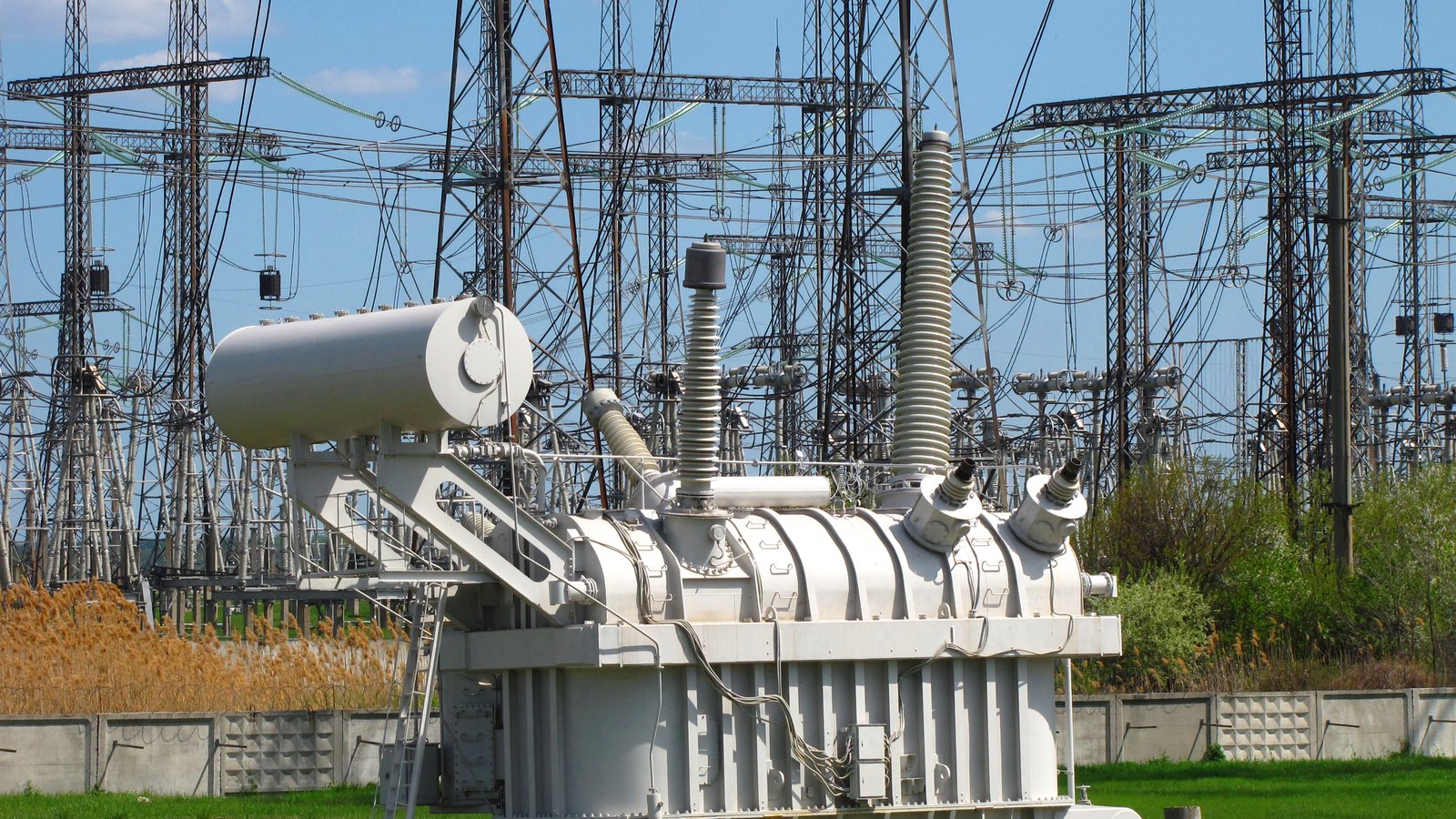
On November 27, 2026, the U.S. Department of Energy issued an official notice extending its Bonneville Power Administration contractor safety information collection under OMB Control Number 1910-5203, inviting 60 days of public comment on mandatory permits and accident reporting protocols. The three-year extension directly impacts academic institutions, utility contractors, and research teams operating experimental equipment or conducting grid-modernization field trials across the Pacific Northwest federal transmission system.
Department of Energy Files Three-Year Information Collection Extension
The Department of Energy (DOE) submitted an information collection request extension to the Office of Management and Budget (OMB) under the Paperwork Reduction Act of 1995. Titled “BPA Contractor Safety,” the program provides the operational instruments used by the Bonneville Power Administration (BPA) to manage occupational safety, verify contractor qualifications, and document hazardous operations across its regional transmission network.
Signed on November 23, 2026, by DOE Information Collection Clearance Manager Candice D. Palen and authorized for filing on November 24, 2026, by Federal Register Liaison Officer Treena V. Garrett under Document Number 2026-24173, the notice is scheduled for official publication on November 30, 2026. The filing opens a 60-day public comment window running through January 29, 2027.
The collection covers four core safety instruments administered across BPA high-voltage transmission lines, substations, and maintenance yards: BPA Form 5480.28e (Excavation/Trenching Permit), BPA Form 6410.15e (Contractor’s Report of Injury or Illness), BPA Form 6410.18e (Contractor’s Report of Incident/Near-Hit), and BPA Form 6410.42e (Contract Energized Electrical Work Permit). These instruments ensure adherence to Occupational Safety and Health Administration (OSHA) standards and federal safety directives.
Key Safety Instruments, Burden Estimates, and Reporting Metrics
Under the Paperwork Reduction Act, federal agencies must evaluate the reporting burden placed on external entities. In the filing, DOE estimates that 190 annual contractor respondents participate in the collection, generating 190 total annual responses with an aggregate reporting burden of 50 hours. The annual reporting and recordkeeping cost burden is estimated at $3,431, reflecting routine supervisory documentation overhead, with $0 in direct capital or fee burdens.
The four collection instruments govern specific high-risk operational safety workflows before and during on-site work:
| Form Identifier | Collection Instrument Title | Regulatory Purpose | Filing Trigger and Scope |
|---|---|---|---|
| BPA F 5480.28e | Excavation/Trenching Permit | Verification of subsurface utility clearances, shoring, and soil stability | Required prior to ground penetration, trenching, or civil foundation work at BPA facilities |
| BPA F 6410.15e | Contractor’s Report of Injury or Illness | Documentation of OSHA-recordable injuries, illnesses, and severe casualties | Mandatory submission following occupational injuries or lost-time incidents on BPA projects |
| BPA F 6410.18e | Contractor’s Report of Incident/Near-Hit | Proactive hazard surveillance and non-injury near-miss data collection | Required for close-call events, unintentional flashovers, or structural contacts without injury |
| BPA F 6410.42e | Contract Energized Electrical Work Permit | Safety authorization and justification for work within energized boundaries | Mandatory prior to any task performed within minimum approach distances of live high-voltage conductors |
BPA also evaluates contractor safety qualifications during procurement. Bidders must demonstrate compliant Experience Modification Rates (EMR) and Total Recordable Incident Rates (TRIR), establishing a documented record of safe field performance.
Regulatory Background: Reconciling OSHA Standards and DOE Orders
The legal foundation for BPA’s safety framework derives from the Bonneville Project Act of 1937 (16 U.S.C. 832a), the Department of Energy Organization Act (42 U.S.C. 7101), 5 U.S.C. 301, and Executive Order 12009. Occupational enforcement authority flows from Section 8 of the Occupational Safety and Health Act of 1970 (29 U.S.C. 657), invoking construction safety standards under OSHA 29 CFR 1926.
Operating 15,000 circuit miles of high-voltage transmission lines across the Pacific Northwest requires BPA to harmonize general construction standards with utility-specific rules. High-voltage power operations fall under eCFR 29 CFR 1910.269, which mandates specialized employee qualifications, arc-flash boundaries, and minimum approach distances.
To administer these rules, the agency enforces the BPA Contractor Safety and Health Requirements for Prime and Subcontractors (CSHRPS). Under CSHRPS policy, whenever federal, state, local, or BPA standards conflict, contractors must comply with the most stringent standard. Furthermore, work on federal energy property interfaces with the Department of Energy’s broad worker protection rules under eCFR 10 CFR Part 851.
Industry Scrutiny and Independent Safety Enforcement Perspectives
Federal contractor safety oversight carries rigorous legal scrutiny. A comprehensive regulatory review by ConsensusDocs examining DOE worker safety compliance emphasized that contractors operating on federal energy facilities face heightened liability. Unlike commercial construction sites where OSHA issues civil citations, DOE possesses independent investigatory authority under its Office of Enforcement, capable of levying civil monetary penalties and fee reductions under 10 CFR 851.
Safety professionals note that information collection programs like BPA’s 1910-5203 establish essential audit documentation, validating that job hazard analyses and energized work justifications occurred prior to task execution. However, contractors have raised concerns regarding administrative duplication when maintaining internal corporate safety logs, OSHA 300 logs, third-party databases such as ISNetworld, and specialized federal agency forms.
DOE’s notice specifically solicits public comment on whether digital collection platforms can reduce administrative burdens and whether the 50-hour burden estimate reflects real-world operations. Contractors often point out that while filling out forms takes limited time, prerequisite task planning and safety tailgates require substantial uncompensated compliance hours.
What the Extension Means for University Researchers and Field Contractors
Renewal of OMB Control Number 1910-5203 directly affects universities, academic consortia, and technical partners conducting field trials or deploying pilot hardware on BPA infrastructure. Grid-modernization grants involving sensor networks, substation monitoring, or battery systems require physical site mobilization.
Institutional teams must align operational protocols with BPA contractor requirements:
- Substation Access: University personnel entering energized facilities must complete BPA safety orientations and secure clearance badging. Unescorted access to high-voltage switchyards remains strictly prohibited.
- Pre-Mobilization Safety Plans: Research teams must draft Site-Specific Safety Plans (SSSPs) or adopt a formal lab safety agreement incorporating a structured process hazard analysis for experimental electrical rigs or mobile generators.
- Permitting for Live Testing: Installing monitoring devices within live approach distances requires an approved BPA F 6410.42e Energized Electrical Work Permit, coordinated with Qualified Electrical Workers.
- Dual Incident Reporting: In the event of an injury or near-miss flashover, investigators cannot rely solely on campus incident forms; they must submit BPA Form 6410.15e or 6410.18e to the Contracting Officer within contract deadlines.
- Subcontractor Verification: Academic prime awardees hiring technical contractors for trenching or electrical mounting must perform a second-party audit of subcontractor qualifications and verify excavation permits under BPA Form 5480.28e.
Public Comment Window and Regulatory Timeline
The Department of Energy’s notice outlines the administrative timeline for renewing OMB Control Number 1910-5203:
- Official Publication: The notice will be published in the Federal Register on November 30, 2026.
- 60-Day Comment Period: Public comments must be submitted by January 29, 2027, addressing collection necessity, burden estimates, and electronic submission enhancements.
- Submission Channels: Written comments should be directed to Stephanie Noell, Privacy Program, CGI-7, Bonneville Power Administration, PO Box 3621, Portland, OR 97208-3621, or emailed to [email protected] (telephone: 503-230-3881).
- OMB Final Review: Following the 60-day window, DOE will review comments, finalize the information collection request, and submit the package to OMB for final 30-day review.
Sources
- Federal Register: Agency Information Collection Activities; Proposals, Submissions, and Approvals (Document No. 2026-24173), checked 2026-11-27
- Bonneville Power Administration: Contractor Safety and Health Requirements for Prime and Subcontractors (CSHRPS), checked 2026-11-27
- eCFR: Title 10 CFR Part 851 — Worker Safety and Health Program, checked 2026-11-27
- eCFR: 29 CFR 1910.269 — Electric Power Generation, Transmission, and Distribution, checked 2026-11-27
- ConsensusDocs: Is Safety Compliance Putting Your Project in Jeopardy? Examining the Essentials of DOE’s Worker Safety and Health Program, checked 2026-11-27






