
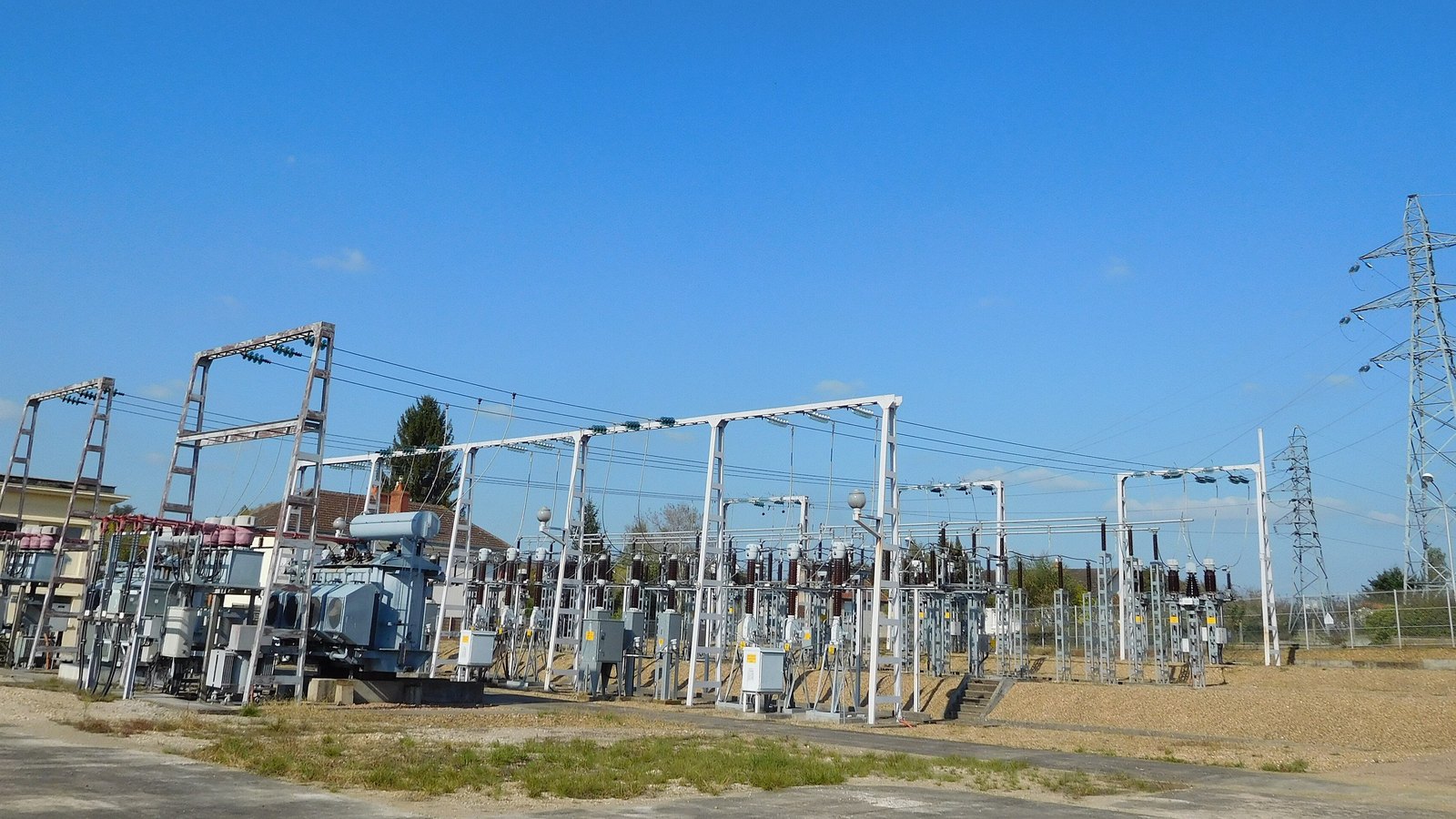
The United States Department of Energy has initiated a formal regulatory review of an application from Montreal-based power marketer SociVolta to renew its five-year cross-border electricity export authorization to Mexico, according to an official notice of application published in the Federal Register. The proceeding evaluates cross-border power transmission sufficiency and grid reliability, establishing critical compliance benchmarks for academic energy laboratories, cross-border research consortia, and university clean-power procurement programs.
Application Scope and Cross-Border Export Details
On November 27, 2026, the Department of Energy Office of Electricity placed Document No. 2026-24272 on public inspection, docketing SociVolta, Inc.’s application for renewed export authority under OE Docket No. EA-493-A. Headquartered in Montreal, Quebec, SociVolta is an independent energy marketing firm wholly owned by Majestic Collective Limited, a private Canadian close corporation held by four principal shareholders. The company originally secured electricity export authority on February 14, 2022, under Docket No. EA-493, and is petitioning for an additional five-year term to transmit wholesale electric energy across the United States border into Mexico.
The application was signed on November 24, 2026, by Catherine Jereza, Assistant Secretary for the Office of Electricity, acting under authority delegated by the Secretary of Energy pursuant to Redelegation Order No. S3-DEL-OE1-2026, enacted on January 8, 2026. Alternate Federal Register Liaison Officer Jennifer Hartzell completed administrative filing on November 25, 2026. The authorization enables SociVolta to wheel electric energy over existing international high-voltage transmission lines permitted under Presidential permits issued pursuant to Executive Order 10485, as amended, which operate as open-access facilities for third-party market participants.
Regulatory Framework and Reliability Standards
Cross-border electricity exports are governed by Section 202(e) of the Federal Power Act, codified at 16 U.S.C. 824a(e). Regulatory authority was transferred from the former Federal Power Commission to the Department of Energy under Sections 301(b) and 402(f) of the Department of Energy Organization Act (42 U.S.C. 7151(b), 7172(f)). Administrative application procedures and technical requirements are codified in 10 CFR Part 205 Subpart W.
Under statutory standards, the Department of Energy evaluates whether proposed exports impair domestic power sufficiency or impede coordinated transmission operations. As an energy marketer authorized by the Federal Energy Regulatory Commission (FERC) to sell wholesale electricity at market-based rates, SociVolta owns no generation plants, transmission lines, or distribution networks. The applicant holds no franchised utility service territory and carries no native load service obligations to retail consumers.
SociVolta will coordinate export schedules with Regional Balancing Authorities in compliance with reliability criteria established by the North American Electric Reliability Corporation (NERC). Environmental reviews follow the National Environmental Policy Act (NEPA; 42 U.S.C. 4321 et seq.), DOE NEPA regulations at 10 CFR Part 1021, and DOE Implementing Procedures updated in June 2026.
| Parameter | Docket EA-493-A Specification | Governing Authority |
|---|---|---|
| Applicant Entity | SociVolta, Inc. (Montreal, QC, Canada) | FPA Section 202(e) (16 U.S.C. 824a(e)) |
| Corporate Ownership | Majestic Collective Limited (Canadian close corporation) | FERC Market-Based Rate Tariff |
| Requested Action | Five-year renewal of electricity export authority | 10 CFR 205.300–205.309 (Subpart W) |
| Predecessor Docket | Docket No. EA-493 (granted February 14, 2022) | DOE Office of Electricity |
| Generation & Load | Zero generation assets; zero native load obligations | Power Marketer Classification |
| Transmission Interties | Existing international lines under Presidential permits | Executive Order 10485, as amended |
| System Reliability | Coordination with Regional Balancing Authorities | NERC Reliability Standards |
| Environmental Review | Categorical exclusion or environmental assessment | NEPA (42 U.S.C. 4321); 10 CFR 1021 |
| Comment Deadline | 30 calendar days from Federal Register publication | Docket EA-493-A Notice |
Cross-Border Grid Evolution and Market Dynamics
Cross-border power transmission between the United States and Mexico links regional transmission networks—including the Electric Reliability Council of Texas (ERCOT), California Independent System Operator (CAISO), and Western Interconnection—with Mexico’s national grid operated by the Centro Nacional de Control de Energía (CENACE). Non-utility power marketers provide wholesale liquidity across these interties by purchasing surplus energy generated by renewable and conventional facilities and transmitting it to cross-border buyers.
Academic researchers employing power and energy system modeling frameworks analyze how cross-border transmission interties improve regional grid balancing and reduce curtailment of intermittent wind and solar generation. However, cross-border flows demand precise power-flow monitoring to prevent line thermal overloads. Federal agencies also perform environmental impact assessment evaluations to ensure that high-voltage power transfers across border corridors do not produce adverse localized environmental outcomes.
Agency Oversight and Analytical Perspectives
The Department of Energy Office of Electricity manages public records for export dockets on its pending applications portal, allowing regulatory bodies, academic analysts, and market participants to examine filings. Technical evaluations assess whether proposed exports could diminish regional operating reserves, particularly during severe winter storms or peak summer cooling loads.
Power systems economists observe that non-asset power marketers enhance regional price discovery and trade flexibility without passing capital development costs to utility customers. However, managing international transactions requires structured regulatory affairs oversight to harmonize DOE export permits, FERC wholesale filings, and international grid reliability protocols.
Implications for University Facilities and Energy Research Programs
The regulatory review of Docket EA-493-A provides practical insights for research universities, campus infrastructure managers, and institutional research administrators:
- Campus Grid Reliability and Research Infrastructure: Research universities operate power-intensive assets such as supercomputing clusters, cryogenic storage, and bio-containment facilities. DOE supply-sufficiency assessments verify that international electricity export agreements cannot compromise domestic grid frequency or increase vulnerability to regional transmission curtailments.
- Research Administration and Export Control Demarcation: Cross-border energy research partnerships require clear compliance boundaries. While physical electricity flows fall under Federal Power Act Section 202(e), institutional compliance officers rely on export control classification guidelines to distinguish commodity utility transmission from restricted engineering data, grid simulation software, and telemetry protocols subject to federal dual-use export rules.
- Clean Power Procurement and Institutional Sustainability: University sustainability offices entering virtual power purchase agreements (PPAs) benefit from understanding cross-border transmission mechanics. Sound sustainable procurement strategies help campus energy directors evaluate transmission line loss factors, curtailment risks, and regional market tariff structures when contracting for clean energy attributes.
Procedural Timeline and Next Steps
Docket No. EA-493-A is scheduled for formal publication in the Federal Register on November 30, 2026. The statutory 30-day public comment and intervention period will run through December 30, 2026.
Interested parties, including state utility commissions, municipal power authorities, academic research centers, and industrial consumers, may submit comments or petitions to intervene by email to [email protected], referencing OE Docket No. EA-493-A. Following the comment window, the Office of Electricity will finalize its environmental review, issue a grid sufficiency finding, and decide on SociVolta’s five-year authorization renewal.
Sources
- Office of the Federal Register: Public Inspection: Importation or Exportation of Liquified Natural Gas or Electric Energy; Applications, Authorizations, etc.: SociVolta, Inc., checked 2026-11-27
- U.S. Department of Energy: Pending Applications | Department of Energy, checked 2026-11-27
- National Archives and Records Administration: eCFR :: 10 CFR Part 205 Subpart W — Electric Power System Permits and Reports; Applications; Administrative Procedures and Sanctions; Grid Security Emergency Orders, checked 2026-11-27
- Legal Information Institute: 16 U.S. Code § 824a – Interconnection and coordination of facilities; emergencies; transmission to foreign countries, checked 2026-11-27






