
On November 23, 2026, the U.S. Foreign-Trade Zones Board published a final notice granting conditional production authorization to Zapp Precision Wire, Inc. within Subzone 21P in Summerville, South Carolina, allowing the facility to draw precision wire and shape alloy bar under zone procedures while imposing a strict one-year restriction on foreign alloy inputs that directly affects high-specification medical device and laboratory metallurgy supply chains.
Conditional production approval and one-year domestic sourcing mandate
The U.S. Department of Commerce Foreign-Trade Zones (FTZ) Board officially published its decision on November 23, 2026, through a Federal Register notice (91 FR 75493, Document No. 2026-23804) concluding review of Docket B-24-2026. The action formally notified Zapp Precision Wire, Inc. that its proposed manufacturing activities at the Summerville, South Carolina operating facility within Subzone 21P are authorized on a limited basis under federal foreign-trade zone regulations.
The authorization, executed on November 18, 2026, by FTZ Board Executive Secretary Colin Agostisi, determines that no further administrative review of the application is warranted at this time. However, rather than granting unrestricted, open-ended production authority, the FTZ Board attached two binding restrictions. First, the Board imposed a firm one-year time limitation on the admission of all foreign-status component materials into Subzone 21P. Second, the order mandates that Zapp Precision Wire submit a detailed compliance report exactly 12 months after authorization documenting the commercial availability of domestic alloy components and demonstrating the company’s affirmative efforts to source raw materials from domestic mills.
Authorized alloy transformations and tariff treatment
The production notice concludes a formal review process initiated on February 26, 2026, when the South Carolina State Ports Authority, as the grantee of FTZ 21, submitted an application on behalf of Zapp Precision Wire. The initial proposal was opened for public notice and comment at 91 FR 10370 on March 3, 2026, outlining a precision re-drawing, conversion, and cold-finishing operation for high-performance specialty alloys.
Under the approved operating scope, the Summerville mill processes imported raw rods, bars, flats, and wire feeds into ultra-fine precision wire, converted bars, and specialized profiles used across rigorous industrial applications. Finished goods leaving the zone enter U.S. customs territory duty-free or are exported directly into international commerce.
| Operational Category | Authorized Product Scope | Customs Tariff Status | Regulatory Governance Mandate |
|---|---|---|---|
| Raw Input Components | Stainless steel bar and rod with high-nickel alloy, hot-worked and cold-worked stainless rod, shaped wire, and nickel alloy feeds | Duty-free to 3.0 percent; subject to Section 232 and Section 301 remedies | Strict 1-year time limit on foreign-status component admission |
| Finished Converted Goods | Converted stainless steel bars, cold-worked shaped rods, wound stainless wire, nickel alloy bars, and precision nickel wire | Duty-free upon entry into U.S. customs territory or foreign export | Production authorized under 15 CFR 400.14 without further docket review |
| Customs Entry Classification | Privileged foreign status merchandise under 19 CFR 146.41 | Duty rates established upon admission into Subzone 21P | Prevents tariff inverted duty circumvention on trade remedies |
| Annual Compliance Review | Twelve-month domestic alloy sourcing evaluation report | Administrative compliance filing under Docket B-24-2026 | Mandatory report on domestic mill availability and sourcing efforts |
Tariff inversion and trade remedy governance
Operating under the federal framework overseen by the Foreign-Trade Zones Board, subzones allow domestic manufacturers to mitigate inverted tariffs, in which imported raw materials face higher customs duties than the finished goods manufactured from them. For precision wire drawers, raw foreign-status alloy bars and rods often enter under Harmonized Tariff Schedule duty rates ranging from zero to 3.0 percent, but may also trigger trade remedies including Section 232 steel tariffs, Section 301 duties on Chinese-origin metals, or Section 122 balance-of-payments authorities.
Federal regulations enforced under 15 CFR 400.14 restrict zone activity to ensure operations remain consistent with broader trade policy. Crucially, the Board requires that any imported merchandise subject to Section 122, Section 232, or Section 301 decisions be admitted to Subzone 21P in privileged foreign status under 19 CFR 146.41. Privileged foreign status establishes the classification and duty liability at the moment raw materials enter the zone, preventing manufacturers from converting raw metal to extinguish trade remedy duties upon domestic entry.
Administering these complex tariff and origin rules requires robust inventory controls. Facilities must maintain rigorous lot traceability across heat numbers, billet runs, and cold-drawing passes to segregate privileged foreign-status feedstocks from domestic stock, ensuring customs compliance during audits.
Logistical integration and maritime port operations
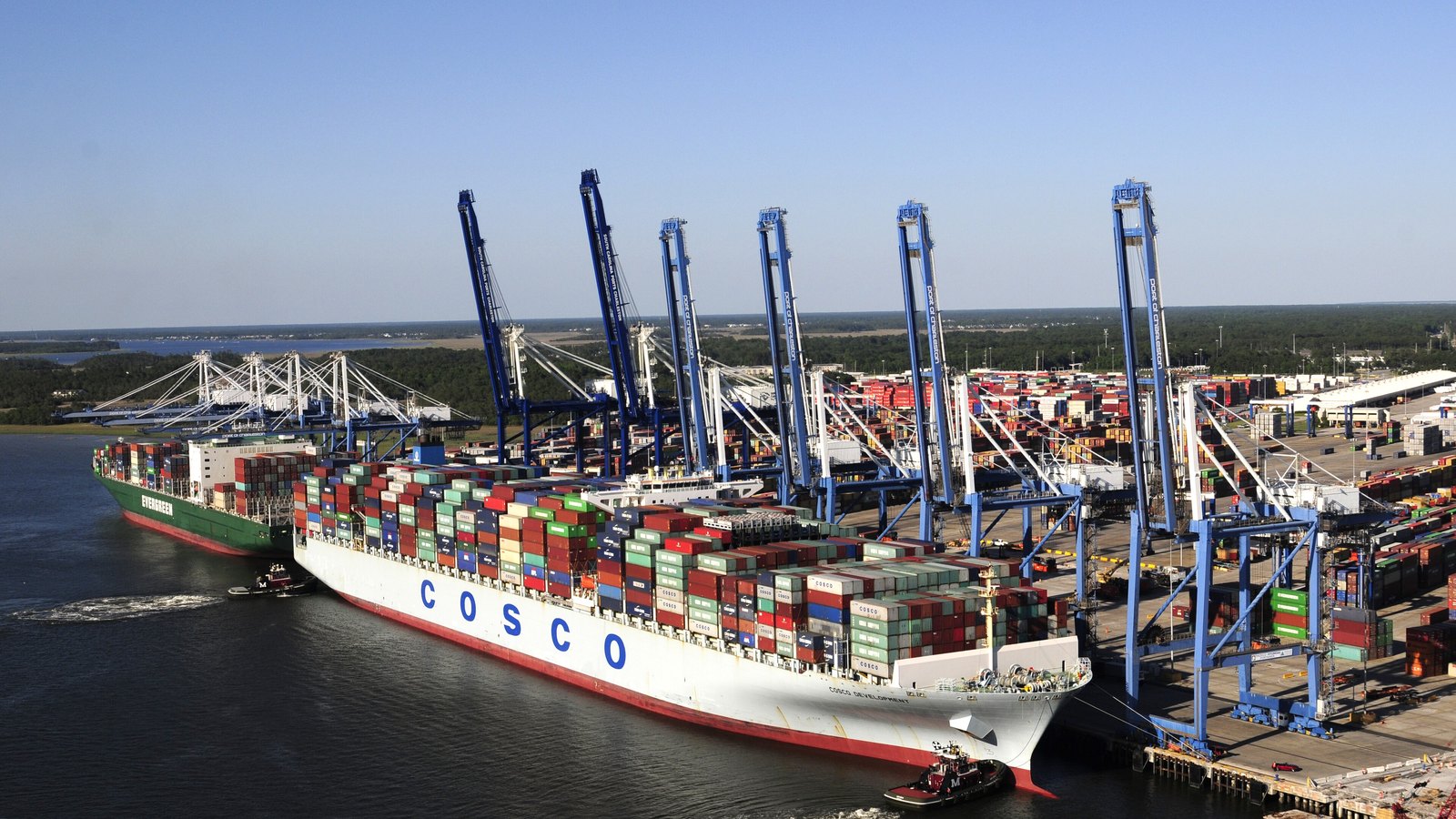
The geographic location of Subzone 21P connects directly to the regional maritime freight network operated by the South Carolina Ports Authority, which serves as the grantee for FTZ 21. International shipments arriving through Charleston port terminals move into the Summerville facility under zone admission manifests, deferring customs entry and duty payment until final finished goods are released to domestic customers.
This streamlined multimodal pipeline supports lean operational practices, enabling advanced manufacturers to operate vendor-managed inventory programs with global alloy suppliers. By maintaining buffer stocks of specialized stainless steel, nickel, and cobalt wire rod within the subzone without immediate duty liquidation, precision mills can absorb maritime shipping volatility while supplying downstream domestic customers on short lead times.
Implications for medical device metallurgy and research laboratories
The conditional nature of the FTZ Board approval carries substantial operational consequences for biomedical engineering laboratories, surgical implant manufacturers, and medical device research facilities. Zapp Precision Wire is a major supplier of ultra-fine stainless steel wire (such as 304V and 316LVM grades) and nickel-titanium and cobalt-chromium alloys used in cardiovascular catheter guidewires, vascular stents, endoscopic coils, dental arches, and orthopedic implants.
In advanced medical device R&D, alloy wire must meet stringent mechanical tolerances, often within fractions of a millimeter, while maintaining flawless surface finish, uniform tensile strength, and verified biocompatibility. Device manufacturers operate under FDA quality system regulations, specifically adhering to 21 CFR 820.70 production and process controls, where any involuntary alteration in alloy vendor, melt source, or mechanical processing requires comprehensive material re-characterization, biocompatibility testing, and regulatory change filings.
University research labs and federal research offices procuring specialty alloy wire for experimental surgical tools and scientific instrumentation must also navigate procurement constraints. When federal grant funds support research and pilot manufacturing, institutional procurement teams must comply with 2 CFR 200 procurement standards, including domestic preference rules such as the Build America, Buy America Act. If the FTZ Board restricts foreign-status wire inputs after 12 months, research procurement teams may face extended lead times, price increases, or the need to qualify domestic specialty mills that have smaller batch capacities.
Timeline and upcoming regulatory milestones
The conditional authorization establishes clear administrative and operational deadlines for Zapp Precision Wire and downstream industrial users over the next year:
- November 18, 2026: Official authorization granted by the FTZ Board under Docket B-24-2026, signed by Executive Secretary Colin Agostisi.
- November 23, 2026: Publication of the final authorization notice in the Federal Register (91 FR 75493, Document No. 2026-23804).
- May 2027: Mid-term operational assessment of domestic raw alloy availability and commercial discussions with domestic specialty melt mills.
- November 18, 2027: Mandatory expiration of the one-year foreign-status component admission authority; deadline for Zapp Precision Wire to submit its comprehensive report to the FTZ Board documenting domestic sourcing efforts.
- Late 2027: FTZ Board administrative evaluation under Docket B-24-2026 to determine whether to extend foreign-status admission privileges or require full domestic alloy procurement.
Sources
- Federal Register: Foreign-Trade Zone (FTZ) 21; Authorization of Production Activity; Zapp Precision Wire, Inc.; (Precision Wire and Metal Products); Summerville, South Carolina, checked 2026-11-28
- Federal Register: Foreign-Trade Zone (FTZ) 21, Notification of Proposed Production Activity; Zapp Precision Wire, Inc.; (Precision Wire and Metal Products); Summerville, South Carolina, checked 2026-11-28
- eCFR: 15 CFR 400.14 — Production—requirement for prior authorization, checked 2026-11-28
- International Trade Administration: Foreign-Trade Zones Board, checked 2026-11-28
- South Carolina Ports Authority: Foreign-Trade Zones (FTZs), checked 2026-11-28






