
Following initial assessments reported in our coverage of the NRC environmental impact statement for Orano Oak Ridge, the U.S. Environmental Protection Agency published a formal notice of availability for environmental impact statements on November 27, 2026. The notice opens public review through January 11, 2027 for Tennessee uranium enrichment and Utah watershed plans, setting key compliance deadlines for university research offices.
Official EPA Notice and Weekly EIS Receipts
In Federal Register Document 2026-24126, published for November 27, 2026 (filed November 25, 2026 under docket FRL OPRM-FAD-250, citation 91 FR 76767), the U.S. Environmental Protection Agency Federal Activities Division published its weekly receipt of Environmental Impact Statements filed between November 16 and November 23, 2026. Signed on November 23, 2026 by Nancy Abrams, Deputy Director of the Federal Activities Division, the notice fulfills statutory mandates under the National Environmental Policy Act (42 U.S.C. 4332) and Clean Air Act Section 309(a).
Under Clean Air Act Section 309(a), the EPA must review and comment in writing on the environmental impacts of major actions authorized by other federal agencies. The weekly notice of availability serves as the official legal clearinghouse establishing public review clocks. The current publication logs two prominent scientific and infrastructure assessments: EIS No. 20260149 (a draft impact statement from the Nuclear Regulatory Commission for a commercial nuclear fuel facility in Tennessee) and EIS No. 20260150 (a final watershed plan and impact statement from the U.S. Department of Agriculture Natural Resources Conservation Service for water systems in Utah). Both filings carry public review deadlines ending January 11, 2027.
Key Filings, Technical Parameters, and Evaluation Metrics
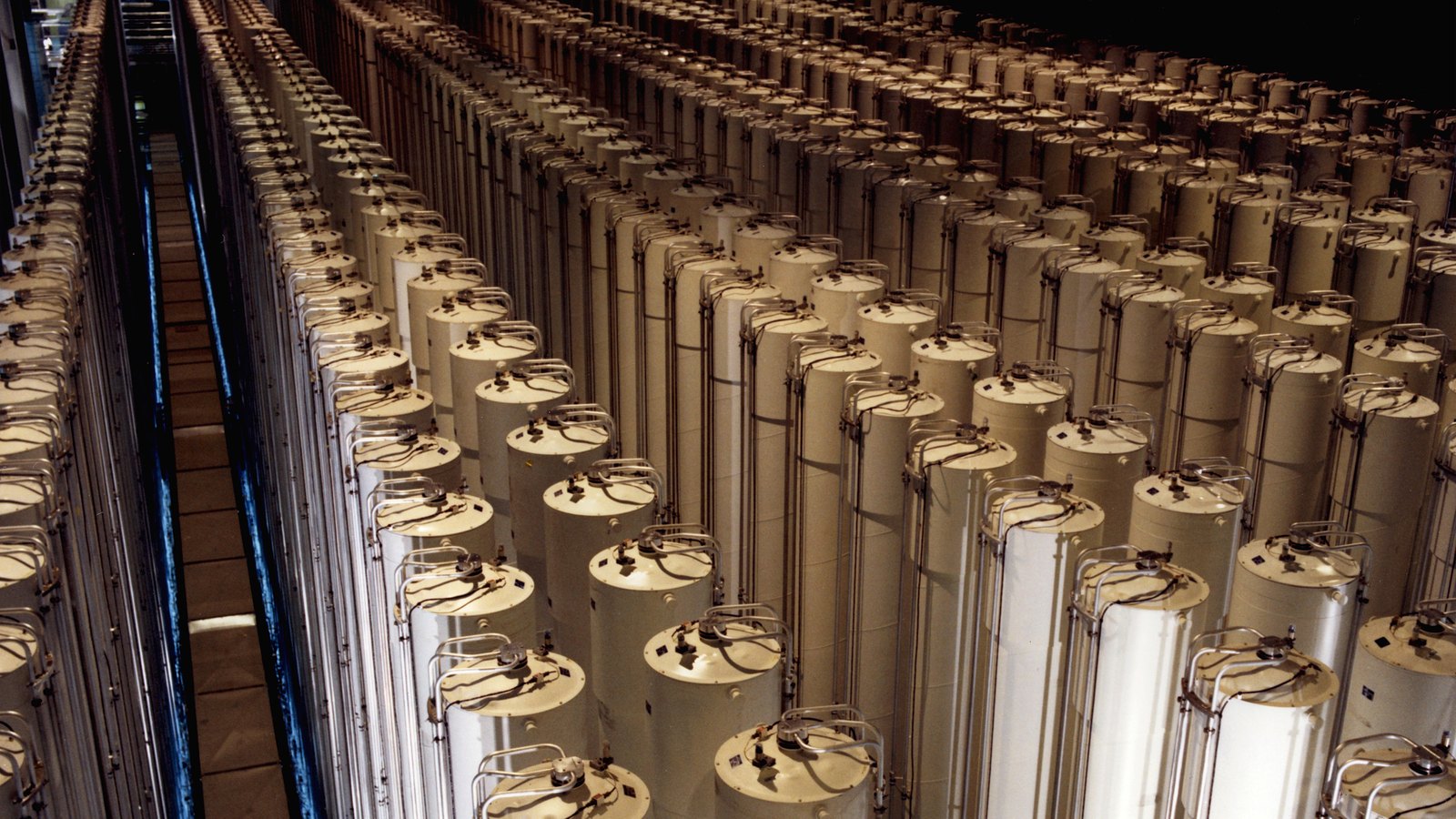
The primary industrial action logged under EIS No. 20260149 addresses the license application from Orano Enrichment USA, LLC for the Project IKE gaseous centrifuge uranium enrichment facility in Roane County, Tennessee. Published for public comment under Docket ID NRC-2026-2906 for Orano Enrichment USA, the draft statement assesses construction and operational impacts across a 40-year term. The facility would occupy 188 acres of a 624-acre undeveloped tract on a former Department of Energy site 6.7 miles southwest of Oak Ridge. Project IKE is designed to enrich uranium up to 10 percent by weight of uranium-235 (LEU+), supplying commercial power and advanced reactor research.
Meanwhile, EIS No. 20260150 covers agricultural water conservation and infrastructure under the Logan River Final Watershed Plan and Environmental Impact Statement in Utah. Prepared by the Natural Resources Conservation Service, this final document establishes engineering parameters for canal piping, flood mitigation, and aquatic habitat restoration along the Logan River basin. As a final impact statement, its publication begins a mandatory 30-day review period before NRCS issues its binding Record of Decision.
The table below summarizes the core operational metrics, responsible personnel, and jurisdictional parameters governing each statement:
| Metric or Attribute | EIS No. 20260149 (Project IKE) | EIS No. 20260150 (Logan River) |
|---|---|---|
| Lead Federal Agency | Nuclear Regulatory Commission (NRC) | Natural Resources Conservation Service (USDA NRCS) |
| Review Stage | Draft Environmental Impact Statement (Draft EIS) | Final Environmental Impact Statement (Final EIS) |
| Geographic Jurisdiction | Roane County, Tennessee (near Oak Ridge) | Cache County and Logan River Basin, Utah |
| Operational Scope | Gaseous centrifuge uranium enrichment up to 10% U-235 | Watershed flood protection, canal piping, habitat restoration |
| Public Deadline | January 11, 2027 (Public comments) | January 11, 2027 (Administrative review) |
| Agency Technical Contact | Ashley Waldron (301-415-7317) | Ammon Boswell (435-459-1621) |
| Core Regulatory Reference | NUREG-2267 / Docket 70-7038 | USDA-NRCS Watershed Protection Program |
Statutory Context and Federal Review Architecture
Federal impact statement filings follow procedures codified under 40 CFR Parts 1500–1508 and operational guidelines detailed in the EPA environmental impact statement filing guidance. Lead agencies submit environmental statements to the EPA Office of Federal Activities via the e-NEPA digital portal. The EPA serves as official timekeeper: agency comment periods formally commence only when EPA publishes its Friday Federal Register notice, regardless of earlier drafting milestones.
Clean Air Act Section 309(a) confers independent evaluation authority on the EPA. The statute directs the Administrator to review and comment on environmental statements prepared by other agencies, focusing on air quality, radiological safety, water impacts, and hazardous substances. EPA compiles rating letters on impact severity and statement adequacy, entering them into its public database.
The Roane County filing marks an important transition in the Oak Ridge nuclear corridor. Following legacy gaseous diffusion plant decommissioning at the former K-25 site, modern commercial centrifuge licensing enables domestic fuel expansion on redeveloped federal property. Concurrently, the Logan River filing reflects infrastructure adaptation in Western water systems, applying NEPA processes to irrigation modernization and aquatic habitat conservation.
Sector Perspectives and Scientific Considerations
The Project IKE timeline aligns with broad federal and academic efforts to shore up domestic nuclear fuel capacity. Strategic programs outlined in Department of Energy nuclear fuel cycle initiatives emphasize reducing dependence on foreign enrichment suppliers. University nuclear engineering departments and reactor operators have noted the necessity of reliable domestic supplies of LEU+ (up to 10% U-235) to support small modular reactor research and next-generation fuel demonstration projects.
Academic researchers and national laboratory consortia have welcomed the technical synergies of establishing commercial centrifuge facilities near Oak Ridge National Laboratory, fostering research in safeguards instrumentation and isotope separation. Meanwhile, conservation analysts and regional scientists have underscored the importance of rigorous effluent monitoring in the Clinch River basin, calling for public access to baseline hydrology and radiological data.
In Utah, university hydrologists and agricultural extension researchers have examined the Logan River plan balance between irrigation efficiency and stream ecology. Enclosing open earthen canals in pressurized pipes significantly reduces canal seepage and evaporation, preserving seasonal instream flows needed for native Bonneville cutthroat trout.
Implications for University Researchers and Research Offices
The EPA notice creates concrete operational and compliance priorities for academic institutions, lab directors, and research administration offices:
- Radiation Protection Oversight: University laboratories participating in nuclear engineering research or radiochemistry trials must align campus safety protocols with federal standards. Institutional oversight through the university Radiation Safety Committee (RSC) is critical for evaluating campus authorizations, ensuring containment protocols, air monitoring, and radiation dosimetry align with regulatory benchmarks.
- Environmental Testing Accreditation: Academic testing laboratories conducting baseline water, soil, or radionuclide analyses in regional drainage basins must ensure methodological defensibility. Facilities generating data for environmental monitoring should verify accreditation under standards established by the NELAC (National Environmental Laboratory Accreditation Conference) to support regulatory validity.
- Chemical Inventory and Hazard Software: Research departments working with process chemicals, specialty reagents, or volatile compounds require automated tracking. Institutions utilize modern chemical safety software to manage Safety Data Sheets, track threshold quantities under federal emergency planning statutes, and maintain audit-ready records.
- Grant and Consortia Opportunities: Research development teams should monitor expanding federal solicitations tied to domestic fuel cycles, centrifuge computational fluid dynamics, and watershed modeling as federal project reviews progress.
Regulatory Next Steps and Upcoming Deadlines
Federal Register Document 2026-24126 defines key procedural deadlines for agencies and the public through early 2027:
- January 11, 2027 (Project IKE Draft EIS): The public comment period for the Project IKE Draft EIS concludes. Comments may be submitted through Regulations.gov under Docket ID NRC-2026-2906 or mailed to the NRC Office of Nuclear Material Safety and Safeguards.
- January 11, 2027 (Logan River Final EIS): The 30-day review period for the Logan River Watershed Plan ends, allowing the Natural Resources Conservation Service to execute its formal Record of Decision.
- EPA Section 309 Rating Letters: The EPA Federal Activities Division will issue written evaluation letters and environmental ratings for the Project IKE draft filing on its e-NEPA database.
- NRC Final Licensing Actions: Following public feedback, NRC staff will finalize NUREG-2267 before the Atomic Safety and Licensing Board and Commissioners rule on the 40-year operating license.
Sources
- Federal Register: Environmental Impact Statements; Notice of Availability, checked 2026-11-26
- Federal Register: Orano Enrichment USA, LLC; Uranium Enrichment Facility; Draft Environmental Impact Statement, checked 2026-11-26
- U.S. Environmental Protection Agency: Environmental Impact Statement Filing Guidance, checked 2026-11-26
- U.S. Department of Energy: Nuclear Fuel Cycle, checked 2026-11-26






