
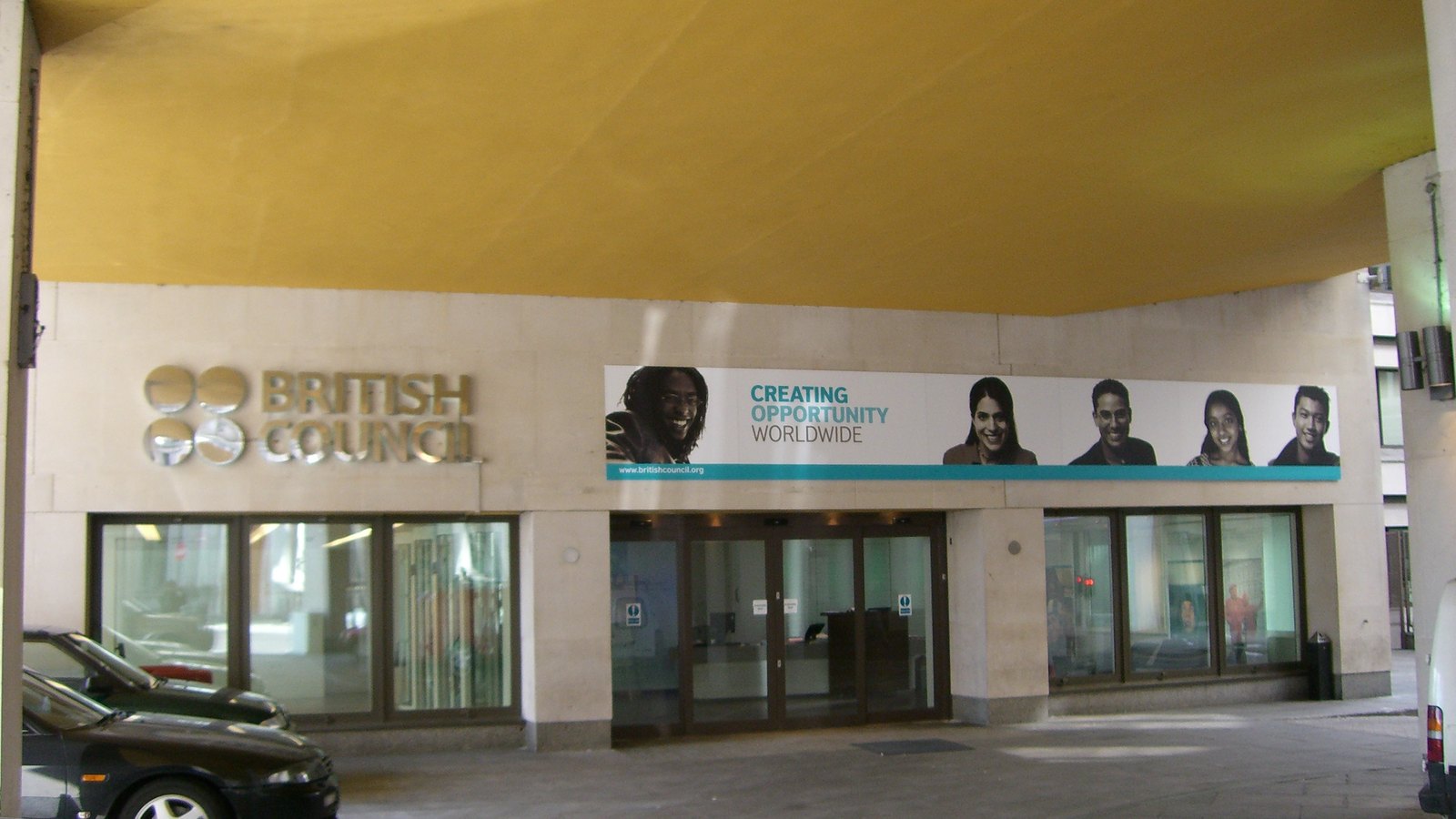
The British Council, the UK National Agency for Erasmus+, announced on 18 November 2026 that the EU programme is now open to UK applicants, with more than £400 million available across six sectors. About £170 million is earmarked for higher education institutions that hold an Erasmus Charter for Higher Education, Research Professional News reported. The round follows the UK’s association agreement with the EU.
What happened
On 18 November the British Council announced that applications to Erasmus+ are open for UK organisations, according to Research Professional News. The funding covers six sectors: higher education, schools, vocational education and training, adult education, youth and sport. Of the total of more than £400 million, around £170 million is “available for Erasmus Charter for Higher Education accredited UK higher education institutions”, in the British Council’s words as quoted by the outlet.
Maddalaine Ansell, director of the Erasmus+ UK National Agency, said: “Erasmus+ represents a huge investment in education and training, youth and sport in the UK. We want to see applications for funding from every postcode and from every sector.” Her statement listed students in higher and further education, apprentices, trainees, adult learners, school pupils, young people and the professionals and volunteers who work with them.
Two UK ministers also commented. Jacqui Smith, minister for skills, said Erasmus+ will “open doors for a new generation” and is “not just for those doing language degrees”. Hamish Falconer, the minister for European relations, said the government believes young people deserve access to opportunities that will “broaden their horizons and support their careers for years to come”.
Key details
The figures below come from the 18 November report and from coverage of the December 2025 association announcement.
| Item | Detail | Reported by |
|---|---|---|
| Total available to UK organisations | More than £400 million | Research Professional News, citing the British Council |
| Sectors covered | Higher education, schools, vocational education and training, adult education, youth, sport | Research Professional News |
| Higher education allocation | Around £170 million for Erasmus Charter for Higher Education accredited institutions | Research Professional News |
| UK payment to join for 2027-28 | About £570 million, after a 30% discount on the default terms of the UK-EU Trade and Cooperation Agreement | The PIE News; Research Professional News |
| Expected reach | More than 100,000 people in the first year, according to government modelling | The PIE News |
| Participation after 2027-28 | To be agreed separately | The PIE News; Research Professional News |
Background and context
The UK left Erasmus+ after Brexit. Research Professional News notes that the UK was a net contributor while still in the EU and that more European students came to study in the UK than the reverse, which led the government of Boris Johnson to abandon British membership. The Turing scheme was introduced as a replacement, and The PIE News reported on 17 December 2025 that its future was unclear after the UK announced it would rejoin Erasmus+ for the 2027/28 academic year, six years after leaving.
That December announcement set the financial terms. The UK would pay around £570 million to take part in 2027-28, with a 30% discount on what it would have paid under the 2020 Trade and Cooperation Agreement, The PIE News reported. Research Professional News adds that the UK and EU finalised the association agreement in April, and that a new agreement will be needed for participation from 2028 onwards.
Erasmus+ is an education and mobility programme, separate from the research framework programme. For the research side of UK-EU ties, see our report on the warning of a UK research funding gap under FP10, our guide to what Erasmus+ funds and how organisations apply, and our comparison of UKRI and ERC funding.
Reaction
When the association was announced in December 2025, Vivienne Stern, chief executive of Universities UK, called it “a huge step forward in our relationship with the EU” that “will offer life changing opportunities for thousands of students”, according to the European University Association, which published the joint welcome from Universities UK International and the EUA. The two bodies commended the UK government and the European Commission for reaching the agreement and said the UK’s return “will help rebuild and deepen partnerships that are vital for research, mobility and cultural exchange”.
The PIE News quoted Tim Bradshaw, chief executive of the Russell Group, saying that “today’s educational exchanges can create tomorrow’s research and innovation partnerships” and that new cross-border collaborations will build on successful Horizon projects. Amanda Wilkinson, director of Universities Wales, called the move a “hugely positive development” and noted that Wales had supported mobility through its Taith programme while the UK was outside Erasmus.
What it means for researchers, universities and research offices
For universities, the practical signal is the ring-fenced allocation: the roughly £170 million applies to institutions that hold an Erasmus Charter for Higher Education, so an institution without a current charter is not in the group the British Council described. International offices and research offices that manage partnerships with European universities can now plan staff and student mobility against a funded UK route again.
For researchers, the programme’s relevance is mostly indirect. Erasmus+ pays for mobility and partnership activity rather than research projects, but the Russell Group’s comment ties exchanges to later research and innovation partnerships. Research offices that support European partnerships can ask their institution’s international office how it plans to use the allocation.
The funding horizon is short. The UK has paid to participate for the 2027-28 academic year only, and continued participation from 2028 needs a new agreement, so institutions committing to multi-year exchange partnerships carry that uncertainty. The Cabinet Office has also set out that the government is pursuing a separate youth experience scheme with the EU, described in its UK-EU Summit factsheet as strictly capped, time-limited and not the same as freedom of movement.
What happens next
The Cabinet Office factsheet, published on 17 November and updated on 18 November, says the youth experience scheme and other deals will be agreed at the UK-EU Summit on 20 November. Research Professional News reports that the government is prepared to concede to EU demands to reduce tuition fees for EU students at UK universities and to compensate universities for the lost income, though final decisions on tuition fees may be delayed until 2027.
The British Council, as National Agency, is the contact for application guidance. A separate agreement on UK participation from 2028 onwards has still to be negotiated.
Sources
- Research Professional News: UK universities to benefit from £170m in 2027 under Erasmus+, 18 November 2026
- The PIE News: UK to rejoin Erasmus+ scheme from 2027, 17 December 2025
- European University Association: Universities welcome the UK’s return to Erasmus+, 17 December 2025
- GOV.UK Cabinet Office: UK-EU Summit package – factsheet and mythbuster, 17 November 2026, updated 18 November 2026


