
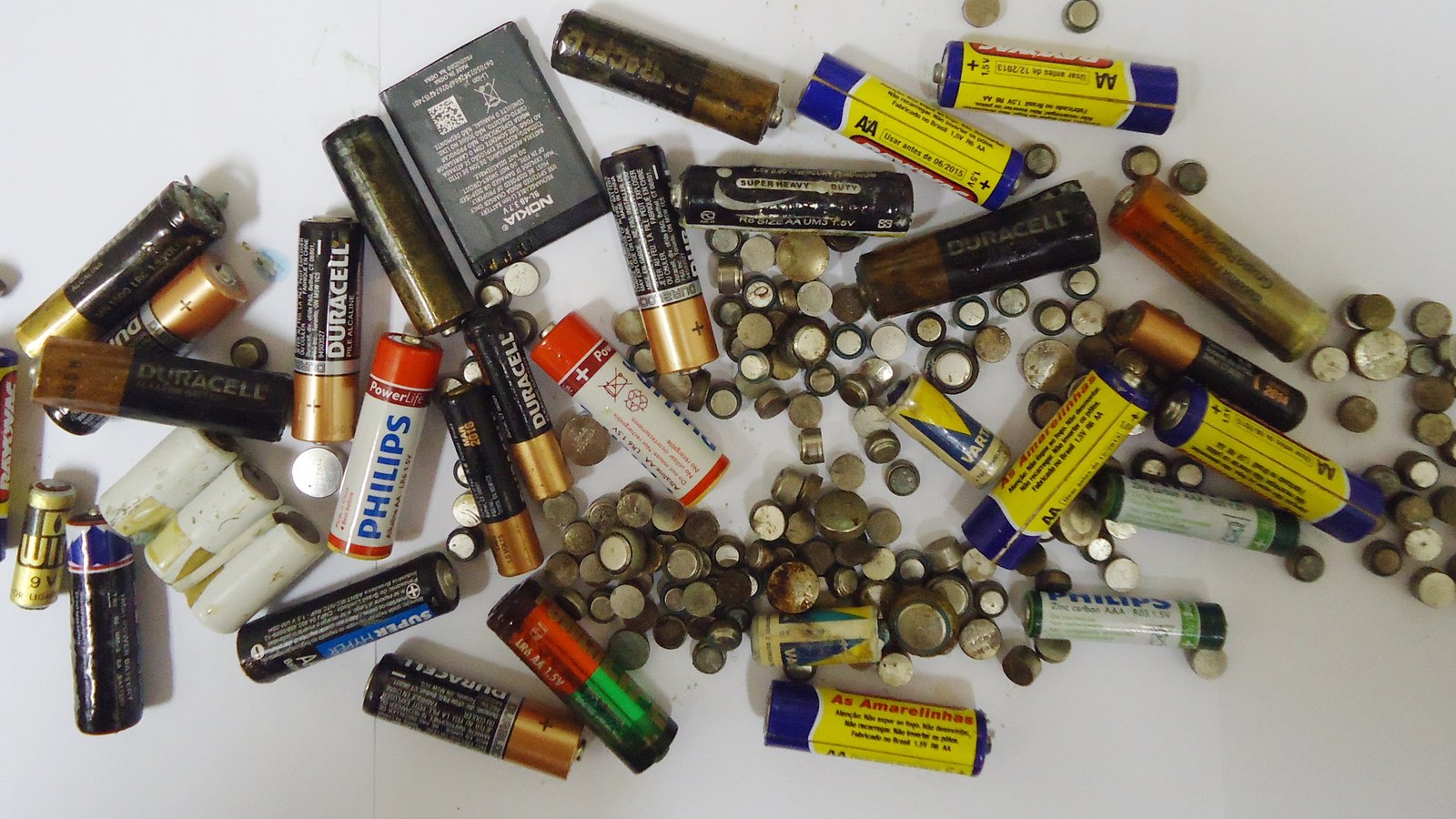
On 27 November 2026, European Union authorities advanced regulatory measures to restrict non-OECD exports of battery black mass under Regulation (EU) 2024/1157, designating the critical mineral-rich waste as hazardous to retain strategic materials across Europe. The tightening policy directly impacts academic metallurgical laboratories and Horizon Europe research consortia that handle cross-border material transfers, secondary feedstock characterization, and battery recycling pilots.
Hazardous Waste Classification and Export Restrictions
The European Commission and Member State environmental authorities agreed on operational guidelines to classify mechanically processed lithium-ion battery waste—commonly termed black mass—under explicit hazardous waste entries in the European List of Waste. Black mass consists of finely granulated active materials recovered after spent batteries and manufacturing scraps undergo discharging, thermal inactivation, and physical shredding. Containing concentrated percentages of strategic metals including lithium, cobalt, nickel, and manganese alongside residual graphite and fluorinated binders, the substance has historically occupied an ambiguous trade status that allowed significant volumes to leave European ports under general scrap designations.
Under Article 39 of Regulation (EU) 2024/1157, the revised EU Waste Shipment Regulation, waste classified as hazardous is subject to an outright export ban when destined for recovery operations in non-OECD countries. This restriction effectively terminates large-scale maritime exports of European black mass to processing hubs in East Asia, most notably China, which previously accounted for the majority of international refining volume. While shipments to OECD member states remain legally viable, they now require the mandatory Prior Informed Consent (PIC) procedure, involving formal prior written notification, documented consent from competent dispatch and destination authorities, and proof that foreign facilities operate under environmentally sound management standards equivalent to EU law.
Regulatory Framework and Classification Parameters
The regulatory tightening bridges environmental safety mandates and macroeconomic resource-retention goals. As detailed in the updated European List of Waste provisions documented by international policy monitors, the classification assigns dedicated six-digit hazardous entries (entries 19 14 01* through 19 14 07*) to differentiated battery chemistry streams. Active cathode and anode mixtures containing soluble nickel salts, cobalt oxides, and organic electrolyte solvents display ecotoxicological, carcinogenic, and mutagenic properties under Regulation (EC) No 1272/2008 (CLP), precluding their treatment as inert or non-hazardous green-listed waste.
The following table outlines the key European legislative instruments governing battery waste, their specific legal thresholds, and their direct compliance operational effects on research and industrial testing:
| Regulatory Instrument | Legal Objective | Waste & Material Scope | Key Deadlines & Thresholds | Operational Compliance Impact |
|---|---|---|---|---|
| Regulation (EU) 2024/1157 | Waste Shipment Oversight | Hazardous battery waste and black mass | Non-OECD export ban; digital PIC EDI rollout by 2026 | Requires prior consent, financial guarantees, and carrier tracking for transboundary transfers |
| Regulation (EU) 2024/1252 | Critical Raw Materials Security | Strategic raw materials (Li, Ni, Co, Mn, graphite) | 25% domestic recycling benchmark by 2030 | Mandates industrial circularity and penalizes feedstock leakage outside European value chains |
| Regulation (EU) 2023/1542 | Sustainable Battery Lifecycle | Industrial, EV, and portable batteries | Recovery efficiencies: 90% Co/Ni and 50% Li rising to 95%/80% by 2031 | Imposes strict chain-of-custody documentation and battery passport traceability data systems |
| Commission Decision 2000/532/EC (Amended) | European List of Waste Codes | Shredded fractions and refined black mass | Mandatory hazardous entries (19 14 01* to 19 14 07*) effective December 2026 | Obligates laboratory safety reclassification, hazardous waste licensing, and ADR transport controls |
Evolution of European Critical Raw Material Mandates
The policy overhaul addresses a persistent structural vulnerability in European industrial strategy. For more than five years, European capacity to collect and mechanically pre-treat end-of-life electric vehicle packs grew rapidly across several member states, yet domestic commercial hydrometallurgical refining facilities developed at a much slower pace. Industry estimates indicated that at least 60% of Europe’s recovered black mass was exported overseas annually. Consequently, critical battery metals collected within the bloc were processed outside its borders, forcing European cell manufacturers to purchase imported virgin or refined cathode chemicals.
This trade imbalance conflicted with the binding targets established under Regulation (EU) 2024/1252, the Critical Raw Materials Act (CRMA). The CRMA stipulates that by 2030, at least 25% of the EU’s annual consumption of strategic raw materials must originate from secondary recycled feedstocks produced within the Union. By preventing the unmonitored outflow of unrefined black mass, Brussels aims to secure the feedstock volumes essential for domestic hydrometallurgical projects to achieve economies of scale. Unlike traditional security regimes that govern dual-use technical data, such as the United States Export Control Reform Act, the European mechanism relies on waste law to manage the geopolitical circulation of physical critical minerals.
Industrial and Academic Sector Perspectives
Independent research institutes and industry alliances have emphasized both the necessity and the friction generated by the new rules. In a market assessment published by the Fraunhofer Institute for Systems and Innovation Research, analysts identified a substantial gap between pre-treatment mechanical shredding capacity and operational hydrometallurgical refining capacity in Europe. Fraunhofer ISI researchers observed that while pre-treatment facilities exceed current scrap availability, refining assets require sustained feedstock volumes to justify heavy capital investments, making export controls a vital tool for preventing material starvation in domestic refining plants.
Similarly, leadership from EIT InnoEnergy has stressed that Europe’s battery gigafactory ecosystem cannot achieve commercial viability without closed-loop raw material sovereignty. According to sector analyses, shipping black mass abroad forfeits high-value domestic refining jobs and undermines the carbon-footprint thresholds mandated by the EU Batteries Regulation. However, recycling trade bodies have cautioned that strict hazardous waste controls must be matched by streamlined intra-EU transport approvals, warning that administrative delays in cross-border waste shipments between neighboring Member States could create severe logistical bottlenecks at pre-treatment warehouses.
Implications for University Laboratories and Research Consortia
The reclassification of black mass introduces significant compliance obligations for universities, research institutes, and cross-border scientific consortia working on circular metallurgy:
- Material Transfer Agreements and Consortia Logistics: Collaborative academic projects funded under Horizon Europe, such as BATT4EU public-private partnerships, routinely exchange pilot quantities of shredded cells, synthesized black mass, and pregnant leach solutions across EU borders for spectroscopic analysis and bench-scale refining. Researchers must now treat sample dispatches as hazardous waste transfers rather than non-hazardous scientific specimens, requiring licensed hazardous waste carriers and formal consignments.
- Classification Governance: University research offices must align internal chemical registries with European List of Waste determinations. This environmental classification process operates alongside standard institutional protocols that assess technical jurisdiction under export control classification frameworks, ensuring both trade and waste regulations are met.
- International Academic Collaborations: While shipments within the EU require intra-Community waste paperwork, transferring pilot black mass materials to research partners in non-OECD countries is strictly prohibited, and shipments to non-EU OECD institutions (such as universities in the United Kingdom, Switzerland, Japan, or the United States) require full Prior Informed Consent notifications. These restrictions require research security managers to coordinate environmental compliance alongside traditional oversight of foreign national access in controlled laboratories.
- Laboratory Environmental Health and Safety: Academic hydrometallurgical leaching columns and direct-recycling pilot plants must update their local environmental permits, storage facilities, and fire safety systems to handle designated hazardous material streams.
Implementation Timeline and Regulatory Milestones
The regulatory roadmap establishes a sequenced rollout of enforcement actions across the European Union:
- December 2026 Enforcement: Mandatory application of dedicated hazardous waste codes (entries 19 14 01* through 19 14 07*) takes effect across all 27 Member States, immediately triggering the non-OECD export prohibition under Regulation (EU) 2024/1157.
- Digital EDI Integration (2026–2027): National competent authorities finalize the transition to a unified electronic data interchange (EDI) platform for processing waste shipment notifications, replacing paper documentation for intra-EU material movements.
- Third-Party Facility Audits (2027): Exporters intending to ship black mass to OECD nations must present independent environmental audit reports certifying that destination refining facilities meet equivalent European pollution prevention standards.
- Critical Raw Materials Benchmark Review (2030): The European Commission conducts its initial statutory assessment of whether the Union has met the 25% domestic recycling target for strategic battery raw materials established under the Critical Raw Materials Act.
- Escalated Material Recovery Targets (2031): Under the EU Batteries Regulation, minimum recovery rates rise to 95% for cobalt, copper, and nickel, and 80% for lithium, mandating near-complete recovery from all processed black mass fractions.
Sources
- European Union: Regulation (EU) 2024/1157 of the European Parliament and of the Council on shipments of waste, checked 2026-11-28
- European Union: Regulation (EU) 2024/1252 establishing a framework for ensuring a secure and sustainable supply of critical raw materials, checked 2026-11-28
- International Energy Agency: Updated List of European Waste with battery-related waste codes, checked 2026-11-28
- Fraunhofer Institute for Systems and Innovation Research: Announced, installed, stopped: Europe’s battery recycling capacities exceed current feedstock, checked 2026-11-28
- EIT InnoEnergy: Europe’s battery ambitions will never be fully-charged without a domestic raw material supply chain, checked 2026-11-28






