
On November 23, 2026, the Wake Forest University School of Medicine announced a $1,999,307 translational research grant from the Alzheimer’s Association Part the Cloud program to prepare a groundbreaking clinical trial combining metabolic and vascular therapies with anti-amyloid treatments. Led by Dr. Suzanne Craft at the Wake Forest Alzheimer’s Disease Research Center, the six-month study establishes protocol frameworks for future Phase 3 combination trials designed to enhance cognitive stabilization while mitigating treatment-related brain swelling and microhemorrhages.
Medical review notice: This clinical trial and research news report has been medically reviewed by Dr. Diana Nieves Castro, MD. It provides factual reporting on investigational clinical trial protocols and translational research funding and does not offer clinical treatment recommendations or medical advice.
Translational Award Targets Brain Insulin Resistance and Vascular Health
The $1,999,307 award from the Alzheimer’s Association’s Part the Cloud translational research initiative funds an innovative protocol titled “Restoring Vascular and Insulin Function to Augment Anti-Amyloid Therapy.” The project represents the first formal clinical study combining pharmacological agents that target cerebral glucose metabolism and microvascular integrity with approved monoclonal antibodies directed against beta-amyloid pathology.
Dr. Suzanne Craft, professor of gerontology and geriatric medicine and founding director of the Wake Forest Alzheimer’s Disease Research Center (ADRC)—the academic medical core of Advocate Health in Winston-Salem, North Carolina—leads the investigative team. The award represents a major tranche within the Alzheimer’s Association’s nearly $7 million funding round announced to advance promising early-phase therapeutic candidates toward registration trials. Independent coverage by News-Medical.net emphasized that the trial addresses biological pathways distinct from traditional amyloid-cascade hypotheses.
Insulin signaling in the central nervous system plays a critical neuroprotective role, facilitating synaptic plasticity, dendritic spine density, and neurovascular coupling. Impaired insulin sensitivity in cerebral tissue fosters chronic neuroinflammation, compromises blood-brain barrier function, and accelerates neuronal apoptosis. By addressing cerebral hypometabolism and microvascular rigidity concurrently with amyloid clearance, the investigative team aims to overcome the therapeutic plateaus observed with monotherapies.
Trial Protocol Specifications and Mechanistic Combination Design
The clinical trial will recruit 75 adult participants diagnosed with mild cognitive impairment (MCI) or mild Alzheimer’s disease who are currently receiving standard-of-care anti-amyloid monoclonal antibody therapy (such as lecanemab or donanemab). Participants will be randomized across three arms to receive either intranasal insulin (INI), the oral sodium-glucose cotransporter 2 (SGLT2) inhibitor empagliflozin, or a matching placebo as adjunct therapies during six months of continuous treatment.
A central scientific objective is mitigating amyloid-related imaging abnormalities (ARIA), encompassing vasogenic cerebral edema (ARIA-E) and sulcal or parenchymal microhemorrhages and superficial siderosis (ARIA-H). Because anti-amyloid antibodies trigger transient focal vascular permeability during vascular amyloid clearance, co-administering agents that strengthen endothelial tight junctions and enhance cerebral perfusion may significantly reduce ARIA incidence and severity.
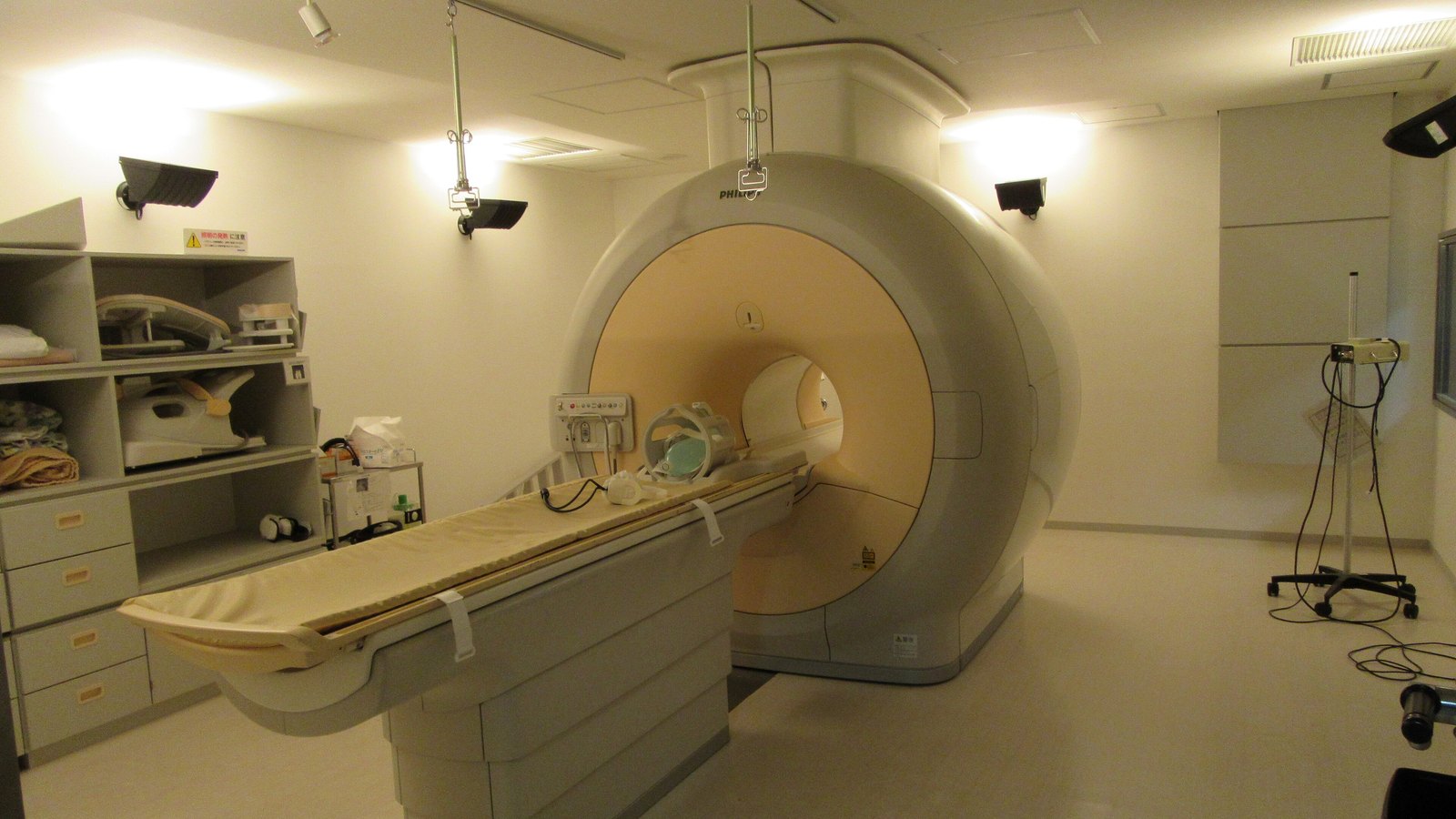
To monitor biological and neurovascular outcomes, investigators will conduct baseline and serial longitudinal assessments incorporating 3-Tesla volumetric and arterial spin labeling magnetic resonance imaging (MRI), lumbar punctures for cerebrospinal fluid (CSF) tau and synaptic biomarkers, blood-based biomarker assays (including phosphorylated tau-217 and glial fibrillary acidic protein), and comprehensive neuropsychological test batteries.
| Study Arm | Active Agent | Delivery Route | Primary Mechanistic Target | Safety and Biomarker Endpoints |
|---|---|---|---|---|
| Arm 1 (Metabolic) | Intranasal Insulin | Aerosolized Olfactory/Trigeminal Device | CNS insulin receptor activation and synaptic repair | mPACC5 memory scores, cerebral blood flow, plasma GFAP |
| Arm 2 (Vascular) | Empagliflozin | Oral Tablet (10 mg daily) | SGLT2 inhibition, endothelial function, vascular tone | CSF p-tau/t-tau ratios, ARIA incidence, arterial spin labeling MRI |
| Arm 3 (Control) | Matching Placebo | Inhaled Saline / Oral Placebo | Controlled baseline comparison | Standardized cognitive and volumetric neuroimaging changes |
Earlier Phase 2 SNIFF Findings and the Repurposing Rationale
The newly funded combination trial builds directly upon findings from Wake Forest’s prior Phase 2 trial registered under ClinicalTrials.gov identifier NCT05081219, designated as the Study of Nasal Insulin to Fight Forgetfulness (SNIFF) Combo INI+EMPA Trial. Methodological frameworks for documenting and referencing such registry protocols follow standardized reporting conventions outlined in CASRAI’s reference on how to cite a clinical trial.
In that earlier single-site, randomized, double-blind 2×2 factorial study of 47 older adults with MCI or biomarker-verified early Alzheimer’s disease, Dr. Craft’s team examined singular and combined four-week regimens of intranasal insulin (40 IU administered four times daily) and empagliflozin (10 mg daily). Results demonstrated that both interventions were well-tolerated without systemic hypoglycemia or adverse renal effects.
Critically, the Phase 2 data revealed notable biomarker signals: intranasal insulin improved performance on the modified Preclinical Alzheimer Cognitive Composite (mPACC5), enhanced cerebral perfusion, and preserved white matter tract integrity on diffusion tensor imaging. Concurrently, empagliflozin reduced CSF total tau and phosphorylated tau concentrations while attenuating plasma markers of neuroinflammation. Repurposing cardiometabolic drugs with extensive safety records substantially compresses traditional preclinical toxicology timelines, permitting rapid transition into human clinical evaluation.
Investigator and Funder Perspectives on Multi-Target Interventions
Principal investigator Dr. Suzanne Craft underscored the necessity of moving beyond single-target drug paradigms in modern neurotherapeutics: “This new grant gives us an important opportunity to build on what we’ve learned and study whether targeting insulin function and blood vessel health can make today’s Alzheimer’s treatments safer and more effective. Our goal with this new research is to generate the evidence needed to lay the groundwork for a larger Phase 3 clinical trial of combination therapy. Ultimately, we hope this work moves us closer to treatments that address this debilitating disease from multiple angles and provide greater benefit for patients and their families.”
The funding mechanism originates from the Part the Cloud program, established in 2012 by philanthropist Michaela “Mikey” Hoag in partnership with the Alzheimer’s Association. To date, Part the Cloud has allocated funding to 88 clinical trials internationally. Funder data indicates that recipient projects have subsequently leveraged more than $3 billion in follow-on support from federal agencies, venture philanthropy, and biomedical industry sponsors, validating the initiative’s role as a catalyst for early-phase clinical translation.
Implications for Clinical Trial Offices, IRBs, and Milestone Grant Administration
For university research administration offices, sponsored programs teams, and institutional review boards (IRBs), multi-drug combination protocols introduce distinct operational, contractual, and regulatory considerations. Protocol designs that pair an FDA-approved infused biologic with off-label investigational use of approved metabolic small molecules require rigorous safety oversight, specialized IND amendments, and coordinated pharmacy dispensing SOPs.
Academic medical centers managing combination regimens must maintain robust subject injury liability coverage, structured in accordance with institutional guidelines for clinical trial insurance and sponsor-indemnification terms. Furthermore, ethics committees reviewing combination studies in cognitively vulnerable cohorts often deploy limited IRB review and enhanced consent monitoring to confirm that surrogate decision-makers and participants comprehend trial risks, including protocol-mandated MRI safety scans.
From a data capture perspective, clinical trials monitoring outpatient drug adherence and daily symptom profiles increasingly implement validated digital tools such as electronic patient-reported outcomes (ePRO) platforms that comply with 21 CFR Part 11 audit trail mandates. Research administrators must also account for Part the Cloud’s non-profit grant terms: unlike federal NIH awards, Part the Cloud grants enforce strict caps or exclusions on indirect facilities and administrative (F&A) costs, requiring central offices to structure accurate direct-cost budgets covering clinical coordinators, neuroimaging scanner hours, and biomarker core laboratory facilities.
Upcoming Study Milestones and Phase 3 Preparation Timeline
Wake Forest University School of Medicine plans to initiate participant recruitment in the first half of 2027 following final protocol approval and investigational drug supply staging. The six-month intervention phase will proceed at the Wake Forest ADRC clinical research unit, supported by Advocate Health’s regional healthcare network spanning North Carolina.
Interim pharmacodynamic readouts and safety evaluations—focusing on longitudinal neuroimaging ARIA rates and neurofilament light chain (NfL) blood concentrations—are scheduled for release following trial completion. These safety and efficacy metrics will serve as empirical rationale for designing a multi-center, registration-directed Phase 3 consortium trial. Academic research networks planning large-scale multicenter expansion can utilize operational frameworks established by the Society for Clinical Trials to harmonize adaptive randomization models and imaging analysis protocols across participating academic medical centers.
Sources
- Wake Forest University School of Medicine: Wake Forest University School of Medicine receives additional $2 million for Alzheimer’s research — the first to combine two specific kinds of treatment | Atrium Health Wake Forest Baptist, checked 2026-11-24
- Alzheimer’s Association: Alzheimer’s Association Part the Cloud Grants $7 Million | alz.org, checked 2026-11-24
- News Medical Life Sciences: Wake Forest researchers receive grant for combination Alzheimer’s therapy trial, checked 2026-11-24
- ClinicalTrials.gov: ClinicalTrials.gov – Study of Nasal Insulin to Fight Forgetfulness – Combination Intranasal Insulin and Empagliflozin Trial (NCT05081219), checked 2026-11-24
- Alzheimer’s Association: Part the Cloud | Alzheimer’s Association, checked 2026-11-24






