
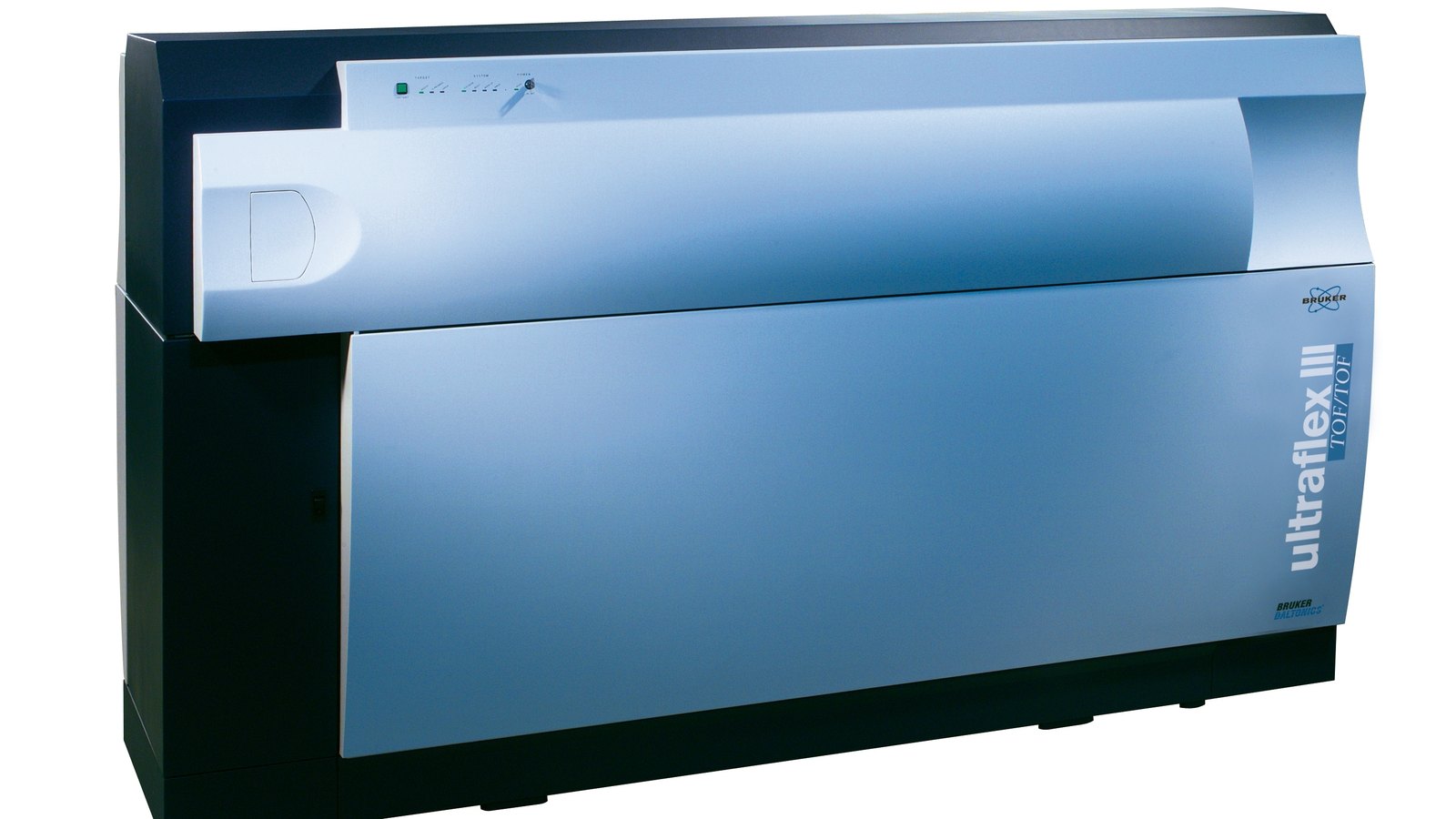
On November 25, 2026, the U.S. Food and Drug Administration granted 510(k) regulatory clearance expanding clinical indications for the EXENT System, permitting clinical laboratories to use automated MALDI-TOF mass spectrometry to monitor disease response in patients with multiple myeloma and Waldenström macroglobulinemia, establishing an analytically sensitive testing standard for academic medical centres and translational oncology trials.
This report covers regulatory actions, diagnostic instrumentation, and clinical research methodologies; it is not individual medical advice. Scientific and clinical content was medically reviewed by Dr. Diana Nieves Castro, MD.
What happened
The U.S. Food and Drug Administration (FDA) cleared an expanded intended use for the EXENT Analyser coupled with the EXENT Immunoglobulin Isotypes (GAM) Assay, developed by The Binding Site within Thermo Fisher Scientific. The regulatory decision extends the platform from initial confirmatory diagnosis to longitudinal monitoring of disease status and therapeutic response in patients diagnosed with multiple myeloma and Waldenström macroglobulinemia. As reported by OncLive, the clearance marks the first commercial MALDI-TOF mass spectrometry platform cleared by federal regulators specifically for serial post-treatment monitoring of circulating monoclonal proteins in routine clinical practice.
Patients undergoing therapy for plasma cell dyscrasias require frequent tracking of monoclonal immunoglobulins (M-proteins) to identify biochemical remission, assess the depth of therapeutic response, and capture impending relapse. Historically, clinical laboratories have relied on serum protein electrophoresis (SPEP) and serum immunofixation electrophoresis (sIFE). However, these optical methods encounter technical limitations when quantifying trace paraproteins or when patients receive therapeutic humanised monoclonal antibodies that produce interfering electrophoretic bands. The expanded regulatory claim validates mass spectrometry as a routine diagnostic tool capable of tracking patient response across the entire clinical care continuum.
Key details and analytical specifications
The cleared diagnostic workflow integrates automated sample preparation, immunoaffinity purification, and mass spectrometry readout. Automated specimen handling occurs on the EXENT-iP 500 liquid handler, which performs magnetic bead-based immunoprecipitation to selectively capture IgG, IgA, and IgM heavy chains alongside kappa and lambda light chains from serum. Following elution, the EXENT-iX 500 instrument performs matrix-assisted laser desorption/ionization time-of-flight (MALDI-TOF) mass spectrometry, measuring intact immunoglobulin light chains with high mass resolution. Results are calculated semi-quantitatively in conjunction with quantitative total immunoglobulin concentrations determined on the Optilite turbidimetric analyser.
According to analytical data published in Clinical Chemistry and Laboratory Medicine and covered by CancerNetwork, the system demonstrates an analytical measuring range spanning approximately 0.03 g/L to 30 g/L with 97 percent qualitative concordance to traditional immunofixation. The platform distinguishes between endogenous patient paraproteins and administered monoclonal therapeutics—including the anti-CD38 antibody daratumumab and isatuximab—which co-migrate in gamma-globulin electrophoresis zones and confound conventional immunofixation assessments.
In oncology clinical trials, establishing accurate disease measurement is vital when tracking a composite endpoint such as progression-free survival or minimal residual disease clearance. The following table contrasts key attributes of conventional electrophoresis against the cleared mass spectrometry platform:
| Feature / Analytical Attribute | Conventional Electrophoresis (SPEP / sIFE) | Cleared EXENT MALDI-TOF Platform |
|---|---|---|
| Analytical Technology | Agarose gel or capillary electrophoresis with optical densitometry | Automated magnetic bead immunoprecipitation and MALDI-TOF MS |
| Lower Limit of Detection | Approximately 0.5 to 1.0 g/L (SPEP); 0.1 to 0.2 g/L (sIFE) | Approximately 0.015 to 0.03 g/L intact light chain measurement |
| Target Isotypes | Immunoglobulin heavy chains (G, A, M) and light chains | Semi-quantitative IgG, IgA, IgM paired with Optilite turbidimetry |
| Therapeutic Monoclonal Antibody Interference | High; co-migrates with daratumumab, isatuximab, and elotuzumab | Resolves therapeutic antibodies based on unique molecular mass signatures |
| FDA Regulatory Clearance History | Established legacy predicates under 21 CFR 866.5510 | Cleared for diagnosis (K250159, Oct 2025); monitoring cleared Nov 2026 |
| Laboratory Automation Level | Manual or semi-automated gel processing; operator interpretation | Walk-away automation without requiring specialized mass spectrometry expertise |
Background and regulatory context
The FDA granted initial 510(k) clearance for the EXENT Analyser and GAM Assay under premarket notification K250159 on October 17, 2025. In that original decision, the agency authorised the platform as a diagnostic aid for evaluating monoclonal gammopathy of undetermined significance (MGUS) and establishing the initial diagnosis of smoldering multiple myeloma, active multiple myeloma, Waldenström macroglobulinemia, and systemic AL amyloidosis. That multi-centre clinical validation cohort enrolled 1,343 individuals (688 confirmed monoclonal gammopathy patients and 655 clinical disease controls) across three clinical sites.
As documented in regulatory evaluations cited by Targeted Oncology, the diagnostic trial demonstrated an overall clinical sensitivity of 94.3 percent (95% CI, 92.3% to 95.8%) and a specificity of 87.8 percent (95% CI, 85.1% to 90.1%). Subgroup sensitivities included 98.4 percent for Waldenström macroglobulinemia, 98.6 percent for smoldering multiple myeloma, 94.4 percent for active multiple myeloma, 92.1 percent for MGUS, and 89.6 percent for AL amyloidosis. However, because the 2025 submission focused solely on baseline qualitative diagnosis, laboratories could not use test outputs to direct therapy discontinuation, dose modifications, or longitudinal relapse surveillance until the November 2026 expanded clearance took effect.
Epidemiological surveillance from the National Cancer Institute SEER Program indicates that more than 35,000 individuals are diagnosed with multiple myeloma each year in the United States, representing approximately 1.8 percent of all new cancer cases. With modern proteasome inhibitors, immunomodulatory agents, and bispecific antibodies extending median survival, patients live with chronic disease that mandates sustained biochemical surveillance, creating persistent demand for high-throughput, standardized laboratory monitoring tools.
Reaction and stakeholder perspectives
Clinical laboratory directors and hematologic oncologists noted that expanding mass spectrometry into routine monitoring eliminates a frequent diagnostic dilemma caused by targeted immunotherapies. Because monoclonal antibody drugs are themselves immunoglobulin proteins, their presence in patient serum frequently mimics residual cancer on standard electrophoresis gels, necessitating reflex mass-fixation or expensive imaging to rule out disease recurrence.
Stephen Harding, vice president and general manager of Protein Diagnostics at Thermo Fisher Scientific, emphasised the clinical value of serial tracking in a statement released following the decision. Harding noted that for individuals living with multiple myeloma or Waldenström macroglobulinemia, having clear visibility into how their disease responds to therapeutic regimens is crucial for management decisions. He stated that the expanded clearance extends the precision of mass spectrometry beyond baseline diagnosis into routine longitudinal monitoring, providing treating oncologists with deeper insight into disease kinetics while giving patients greater confidence in their care outcomes.
What it means for researchers, universities, and clinical research offices
The availability of an FDA-cleared mass spectrometry monitoring platform carries significant operational, financial, and governance implications for academic medical centers, university hospital reference laboratories, and clinical trial sponsors:
- Protocol Standardisation in Clinical Trials: Academic investigators designing clinical protocols can incorporate mass spectrometry as a validated secondary or exploratory endpoint without requiring an investigational device exemption (IDE). Investigators must document monitoring protocols within institutional trial registries to maintain clinical trial registration compliance and ensure transparent reporting across study phases.
- Surrogate Biomarker Development: The platform aligns with regulatory pathways governed by the FDA Biomarker Qualification Program, where high-sensitivity serum paraprotein tracking could eventually establish formal surrogate status for complete response and progression-free survival in early-phase drug development.
- Trial Endpoint Adjudication: Central laboratories supporting multicenter trials can generate standardized, quantitative spectra for independent review by an endpoint adjudication committee, reducing inter-operator variability typical of manual gel densitometry interpretation.
- Laboratory Validation and Quality Management: Hospital laboratories adopting the platform must complete analytical verification under Clinical Laboratory Improvement Amendments (CLIA) and College of American Pathologists (CAP) guidelines. Because mass spectrometry quantification values systematically diverge from traditional densitometric SPEP values, institutions must establish separate reference intervals and avoid switching testing modalities mid-treatment.
- Billing and Reimbursement Infrastructure: University hospital compliance offices must update electronic health record ordering sets and verify that clinical billing codes for mass spectrometry-based protein assessment reflect current Medicare and commercial payer coverage guidelines for disease monitoring.
What happens next
Following clearance, Thermo Fisher Scientific has initiated commercial rollout of monitoring software upgrades and assay consumables to existing EXENT customer laboratories across North America. Clinical sites that currently operate the instrument for diagnostic evaluation can activate monitoring workflows via standardized software parameter updates without acquiring secondary instrument hardware.
In the academic domain, translational oncology groups affiliated with the International Myeloma Working Group (IMWG) are conducting multicenter prospective registry studies to evaluate whether mass spectrometry-negative complete response correlates with bone marrow minimal residual disease (MRD) status measured by flow cytometry or next-generation sequencing. Working group guidelines addressing the clinical integration of mass spectrometry into standardized response criteria are anticipated at international hematology conferences in 2027.
Sources
- U.S. Food and Drug Administration: 510(k) Premarket Notification, checked 2026-11-26
- OncLive: FDA Clears EXENT System to Aid Monitoring of Multiple Myeloma and Waldenstrom Macroglobulinemia | OncLive, checked 2026-11-26
- CancerNetwork: FDA Clears Expanded Indication for Monitoring Tool in Multiple Myeloma, WM | CancerNetwork, checked 2026-11-26
- Targeted Oncology: FDA Expands EXENT Clearance to Myeloma and WM Monitoring | Targeted Onc – Immunotherapy, Biomarkers, and Cancer Pathways, checked 2026-11-26
- National Cancer Institute Surveillance, Epidemiology, and End Results Program: Myeloma — Cancer Stat Facts, checked 2026-11-26






