
On November 24, 2026, the Federal Energy Regulatory Commission issued a formal Notice of Intent to Prepare an Environmental Assessment establishing February 24, 2027, as the completion target for its federal review of major spillway modifications at South Carolina’s Buzzards Roost Hydroelectric Project. The non-capacity amendment, filed by Greenwood County on the Saluda River, provides essential regulatory benchmarks and hydrological datasets for academic researchers, river-basin consortia, and university research offices tracking regional dam safety and flood modeling.
What happened at the Buzzards Roost hydroelectric facility
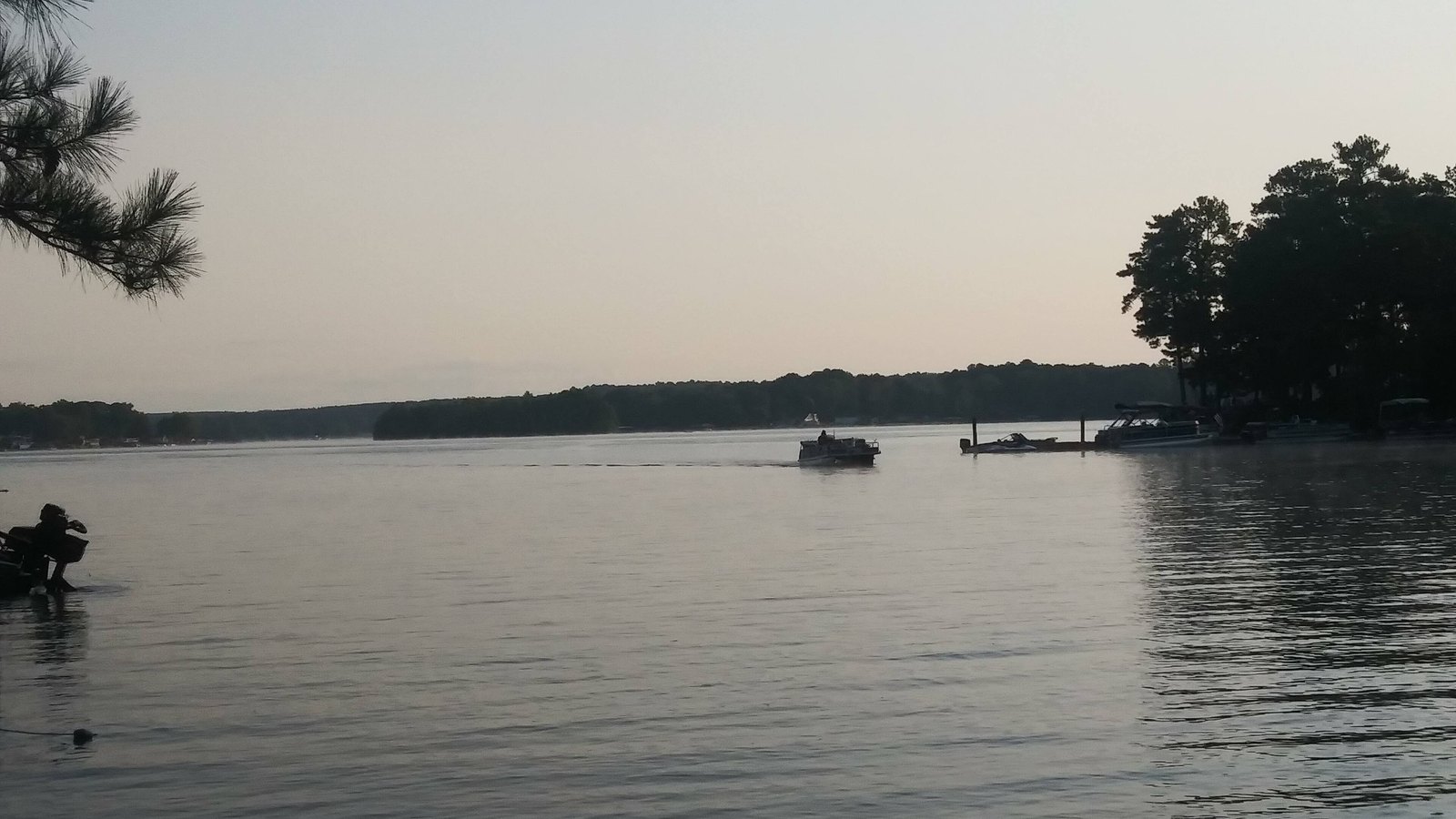
On August 11, 2026, Greenwood County filed an application with the Federal Energy Regulatory Commission (FERC) for a non-capacity license amendment for the Buzzards Roost Hydroelectric Project No. 1267 (Docket P-1267-136). The project impounds the Saluda River across Greenwood, Laurens, and Newberry counties in upstate South Carolina, forming Lake Greenwood. The proposed amendment covers critical civil engineering modifications to auxiliary spillways and embankment structures to handle extreme flood conditions without altering the plant’s licensed electrical generating capacity.
On September 15, 2026, the Commission issued a public notice regarding the amendment application. The notice period concluded with no protests, interventions, or opposing comments submitted. Consequently, FERC Deputy Secretary Carlos D. Clay signed the Notice of Intent on November 24, 2026, formalizing Commission staff’s plan to prepare an Environmental Assessment (EA) with a completion target of February 24, 2027.
Under Council on Environmental Quality regulations at 40 CFR 1501.5(c)(4), FERC assigned the unique document identifier EAXX-019-20-000-1793805990 to track the proceeding. Upon release in February 2027, the EA will open for a 30-day public comment period, allowing agencies, researchers, and local stakeholders to submit formal input before the Commission issues its final decision.
Key technical and regulatory specifications
The Buzzards Roost project modernization addresses revised hydrological flood routing requirements along the Saluda River basin. The licensee’s engineering plan includes five primary civil works actions:
- Downstream Concrete Emergency Spillway: Constructing a new reinforced concrete emergency spillway immediately downstream of the existing earthen emergency spillway to safely release high-velocity flood flows.
- Earthen Spillway Reconstruction: Reconstructing the existing earthen spillway to ensure controlled discharge at prescribed flood elevations.
- Discharge Channel Excavation: Excavating the auxiliary discharge channel to expand hydraulic conveyance capacity.
- Topographic Saddle Berm: Building an engineered containment berm in a natural topographic saddle 500 to 1,000 feet east of the spillway to retain the reservoir during peak flood stages.
- Bulkhead Wall Elevation: Raising concrete bulkhead walls at both the powerhouse and service spillway to prevent crest overtopping during probable maximum flood events.
Greenwood County anticipates construction will commence in April 2027 and require approximately 12 months to complete.
| Parameter | Regulatory Specification | Operational Significance |
|---|---|---|
| Project Identifier | FERC Project No. 1267-136 | Buzzards Roost Hydroelectric Project on the Saluda River |
| Licensee | Greenwood County, South Carolina | Municipal licensee managing Lake Greenwood storage |
| Amendment Type | Non-Capacity License Amendment | Structural dam safety upgrade without changing generation capacity |
| CEQ Identifier | EAXX-019-20-000-1793805990 | Federal environmental review tracking code under 40 CFR 1501.5(c)(4) |
| Civil Works Scope | Concrete spillway, saddle berm, wall elevations | Expands flood release capacity and mitigates overtopping |
| Target EA Date | February 24, 2027 | FERC staff Environmental Assessment target completion date |
| Public Comment Window | 30 calendar days post-issuance | Stakeholder comment period prior to Commission order |
| Construction Schedule | April 2027 – April 2028 (12 months) | Field construction, excavation, and structural installation |
Background and statutory framework
FERC exercises licensing and safety oversight of non-federal hydroelectric projects pursuant to 16 U.S. Code § 797 under Section 4(e) of the Federal Power Act. This authority empowers the Commission to mandate structural modifications necessary to secure dam safety and water resource protection. Environmental reviews for such modifications follow FERC’s NEPA regulations under 18 CFR § 380.6.
While major projects creating new reservoir impoundments generally require an Environmental Impact Statement, non-capacity safety amendments focused on auxiliary spillway capacity and flood risk mitigation are evaluated through an Environmental Assessment. Staff EAs evaluate temporary construction impacts, sedimentation controls, and downstream flow continuity against long-term community flood protection.
Built in 1940, Buzzards Roost is undergoing upgrades reflective of nationwide efforts to modernize aging dams. Updated meteorological data across Southeastern watersheds indicate higher peak precipitation potentials, prompting utilities and municipal licensees to re-engineer emergency discharge infrastructure to ensure safe flood passage.
Institutional and sector perspective
Modernization of the Buzzards Roost facility reflects broader infrastructure priorities championed by the Hydropower Program of the U.S. Department of Energy. Federal programs prioritize hardening existing hydroelectric dams against severe meteorological events while safeguarding downstream water quality and aquatic ecosystems.
FERC also highlighted the role of its Office of Public Participation (OPP) in facilitating community and academic engagement. OPP assists landowners, tribal representatives, and university research teams in navigating Commission procedures, submitting interventions, and lodging technical comments during the upcoming 30-day post-EA window.
What it means for researchers, universities and research offices
The Buzzards Roost environmental review schedule presents concrete operational and scientific implications for academic institutions and research compliance offices across the Southeast:
- Hydrodynamic Modeling: Hydrologists analyzing Saluda River hydraulics and Santee Basin flood routing can integrate new discharge ratings and elevation data published through the Water Resources Mission Area of the U.S. Geological Survey to refine regional watershed models.
- Hydropower Asset Data: Engineering faculty examining national dam resilience through hydrosource data assets can incorporate project specifications into comparative analyses of municipal spillway retrofits.
- Water Quality Research: Academic consortia working with municipal utilities through the water research foundation should factor the April 2027 construction launch into long-term limnology and sediment transport studies below Lake Greenwood.
- Field Permitting and Awards: University field teams conducting research under active epa grants must ensure that in-stream biological monitoring schedules along the Saluda River do not conflict with active construction zones or emergency spillway test releases.
- Collaborative Agreements: Sponsored program offices structuring joint environmental monitoring initiatives with Greenwood County should utilize a formal cooperative agreement delineating data ownership, site safety protocols, and regulatory compliance.
What happens next
The procedural timeline for the Buzzards Roost amendment establishes several clear milestones:
- February 24, 2027: FERC staff plan to complete and publish the Environmental Assessment in Docket No. P-1267-136 under tracking code EAXX-019-20-000-1793805990.
- 30-Day Comment Period: Public release of the EA opens a 30-day window for public, agency, and academic comments.
- Commission Final Order: Following comment review, the Commission will issue an order addressing the proposed amendment.
- April 2027 – April 2028: Pending approvals, Greenwood County will initiate the estimated 12-month construction phase.
Sources
- Federal Register: Greenwood County, South Carolina; Notice of Intent To Prepare an Environmental Assessment, accessed 2026-11-28.
- Cornell Law School Legal Information Institute: 18 CFR § 380.6 – Actions that require an environmental impact statement, accessed 2026-11-28.
- Cornell Law School Legal Information Institute: 16 U.S. Code § 797 – General powers of Commission, accessed 2026-11-28.
- U.S. Department of Energy: Hydropower Program, accessed 2026-11-28.
- U.S. Geological Survey: Water Resources Mission Area, accessed 2026-11-28.






