
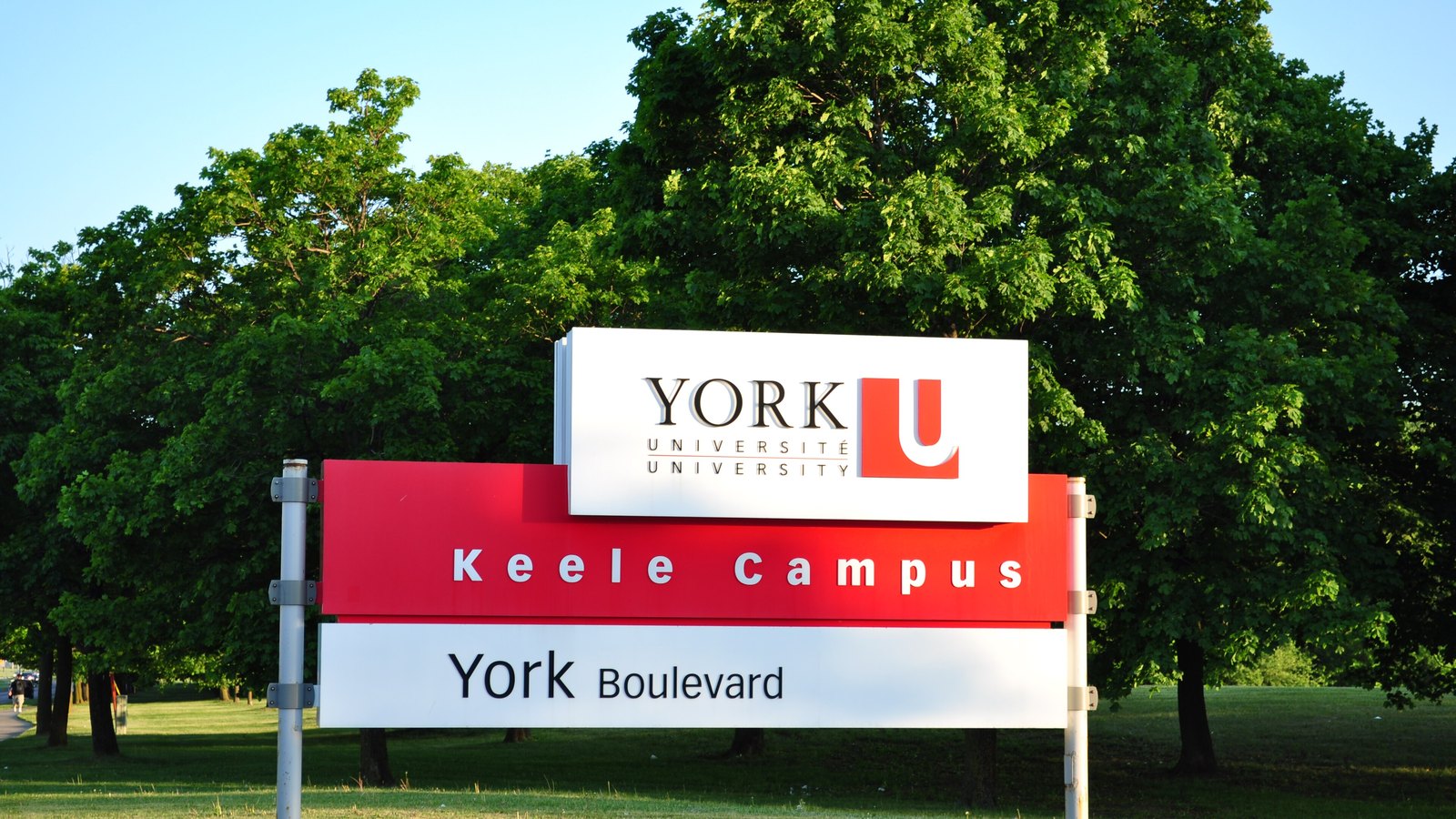
On November 27, 2026, the Glendon College Faculty Council voted 61 to 8 to reject an administrative restructuring proposal from York University leadership that would have dissolved the bilingual faculty and relocated its academic operations to the institution’s main Keele campus in Toronto. The decisive vote reinforces statutory collegial governance authorities over institutional restructuring, protecting dedicated minority-language research facilities and bilingual degree accreditations across Ontario.
Faculty Council Votes 61 to 8 to Reject Campus Relocation
The formal vote at the Glendon College Faculty Council meeting on November 27, 2026, followed months of heightened debate across the university community after York University’s central administration advanced a preliminary transition blueprint. Under the proposed transition plan presented earlier in the year by interim provostial leadership, Glendon College would have ceased operating as an autonomous, degree-granting collegiate faculty at its historic 85-acre midtown campus on Bayview Avenue. Instead, its bilingual academic programs, faculty complements, and student support services would have been consolidated into existing faculties at York’s Keele campus, anchored within the building complex at 68 The Pond Road.
Council members voted by a 61–8 margin against endorsing the administrative framework, citing formal statutory rights under the York University Act and the procedural primacy of collegial academic governance. The motion asserted that any involuntary dissolution of Glendon’s faculty status or physical removal from its midtown location undermines the foundational academic mission established when the campus opened in 1966 as York’s founding site. Faculty representatives emphasized that academic planning decisions cannot be executed unilaterally through administrative fiat without formal concurrence from constituent faculty councils and the York University Senate.
Key Restructuring Terms, Enrolment Pressures, and Governance Provisions
York University administrators introduced the relocation proposal against a backdrop of severe institutional financial strain facing the Ontario post-secondary education sector. Enrolment at Glendon had contracted significantly over the prior decade, falling from approximately 2,770 students in 2016 to roughly 1,400 students by the mid-2020s. Compounding these enrolment dynamics were multi-million dollar deferred capital maintenance backlogs across the historic Bayview campus, domestic tuition freezes imposed by the provincial government since 2019, and federal caps on international study permits that constrained international student revenues across Canadian higher education institutions.
Central administrators contended that transferring operations to Keele—where approximately 70 percent of York’s Francophone students already pursue coursework in non-Glendon faculties—would curb operational duplication, modernise laboratory facilities, and stabilize the university’s operating budget, in line with broader sector analyses published by the Ontario Confederation of University Faculty Associations on structural underfunding across Ontario universities. However, the Glendon Faculty Council maintained that eliminating a distinct bilingual campus environment would irrevocably harm program identity and recruitment.
| Institutional Dimension | Administrative Relocation Blueprint | Glendon Faculty Council Governance Mandate |
|---|---|---|
| Campus Location | Consolidation at Keele Campus (68 The Pond Road facility) | Retention of dedicated 85-acre Bayview Avenue midtown campus |
| Academic Structure | Transition to university-wide college; programs absorbed into Keele faculties | Preservation of autonomous bilingual Faculty status and Faculty Council |
| Target Timeline | Phased transition concluding by Fall 2029 | Immediate halt to relocation planning; focus on midtown revitalisation |
| Collegial Authority | Executive restructuring under Board fiscal authority | Bicameral academic governance under York University Act Section 13 |
| Bilingual Research Environment | Decentralised French-language instruction across disciplinary units | Protected bilingual immersion research centres and interdisciplinary chairs |
| Enrolment Baseline | Addresses decline from ~2,770 (2016) to ~1,400 students | Advocates targeted recruitment and provincial bilingual funding reform |
Institutional Context, Bicameral Authority, and Language Rights
The governance standoff at York University reflects fundamental principles of Canadian university administration, which operates under a bicameral governance model separating financial stewardship (governed by the Board of Governors) from academic policy and educational programming (governed by the Senate and faculty councils). Under Section 13 of the York University Act, the Senate holds statutory power to consult with faculty councils and determine the academic policies of the university, including the creation, restructuring, or discontinuance of faculties and academic units.
Similar jurisdictional boundaries between administrative corporate authority and academic faculty councils have been scrutinized in comprehensive institutional governance analyses, including legal scholarship published in the Washington University Law Review on institutional governance structures and administrative delegation, as well as analyses in the American University Law Review on statutory delegation and institutional oversight. Furthermore, Glendon holds a distinctive designation as the Centre of Excellence for French-language and Bilingual Postsecondary Education in Southern Ontario, implicating provincial obligations under the French Language Services Act. Faculty members argued that dismantling the physical campus would directly impair the delivery of designated French-language public post-secondary services.
Faculty, Student, and Higher Education Stakeholder Perspectives
The faculty council’s overwhelming 61–8 rejection culminated months of grassroots mobilisation led by campus coalitions, including the Campaign for Glendon and Sauvons Glendon, which gathered thousands of signatures from students, alumni, and Francophone community leaders across Canada. Opponents emphasized that Glendon offers one of the few fully bilingual university liberal arts environments in North America, where small class sizes, bilingual laboratory groups, and dedicated student residences foster functional immersion that cannot be replicated within a high-density commuter campus of over 50,000 students at Keele.
National and provincial faculty organisations echoed these concerns, framing the unilateral administrative proposal as part of a concerning trend toward top-down institutional restructuring. Sector bodies pointed to formal guidance from the Canadian Association of University Teachers on collegial governance, which mandates that academic reorganisations, department mergers, and campus closures must obtain the direct democratic consent of the academic staff affected. Academic associations warned that circumventing faculty councils erodes collegial trust, accelerates faculty departures, and compromises institutional reputation.
Implications for University Governance, Research Infrastructure, and Grant Administration
For university research offices, research administrators, and faculty investigators, the Glendon vote carries significant governance, regulatory, and financial ramifications. Preserving Glendon as an independent faculty safeguards specialized bilingual research infrastructure, including interdisciplinary centres focused on Francophone minority studies, translation studies, linguistics, and cross-cultural public affairs. These centres depend on stable institutional continuity to maintain tri-agency grants from the Social Sciences and Humanities Research Council (SSHRC) and targeted envelopes under the federal Action Plan for Official Languages.
Research administrators note that relocating or dissolving specialized academic units can jeopardize multi-year grant eligibility, necessitate formal notifications to funding sponsors regarding changes in institutional environment, and disrupt research ethics board (REB) protocols for bilingual participant recruitment. Scholars tracking academic restructuring have noted parallels with broader comparative analyses of collegial governance in higher education, such as those evaluated in the University of Pennsylvania Law Review on collegial governance and administrative procedure. Moreover, faculty investigators conducting specialized humanities and social science scholarship rely heavily on university press venues and bilingual scholarly channels to maintain academic standing, as detailed in benchmarks from the academic press credibility and peer review guide.
Next Legislative and Institutional Milestones
Following the decisive 61–8 vote, the administrative relocation blueprint cannot advance to the York University Senate without addressing the formal rejection registered by Glendon’s governing council. Senate regulations and collegial protocols dictate that academic planning initiatives involving structural changes to faculties must undergo comprehensive senate committee review, including deliberations by the Senate Academic Policy, Planning and Research Committee (APPRC).
The York University administration has indicated it will engage in further consultative rounds with Glendon faculty representatives, student leadership, and external Francophone community partners throughout early 2027 before submitting any revised academic plans. The York University Board of Governors is scheduled to review updated institutional budget frameworks and multi-year capital plans in its upcoming quarterly sessions, where capital allocation for Bayview campus maintenance and alternative revenue generation models will take centre stage.
Sources
- York University: Glendon Campus Mandate and Governance, checked 2026-11-28
- York University Senate Secretariat: Academic Governance and Planning, checked 2026-11-28
- Government of Ontario: French Language Services Act, R.S.O. 1990, c. F.32, checked 2026-11-28
- Canadian Association of University Teachers: CAUT Policy Statements on Collegial Governance and Academic Restructuring, checked 2026-11-28
- Ontario Confederation of University Faculty Associations: University Funding in Ontario, checked 2026-11-28






