
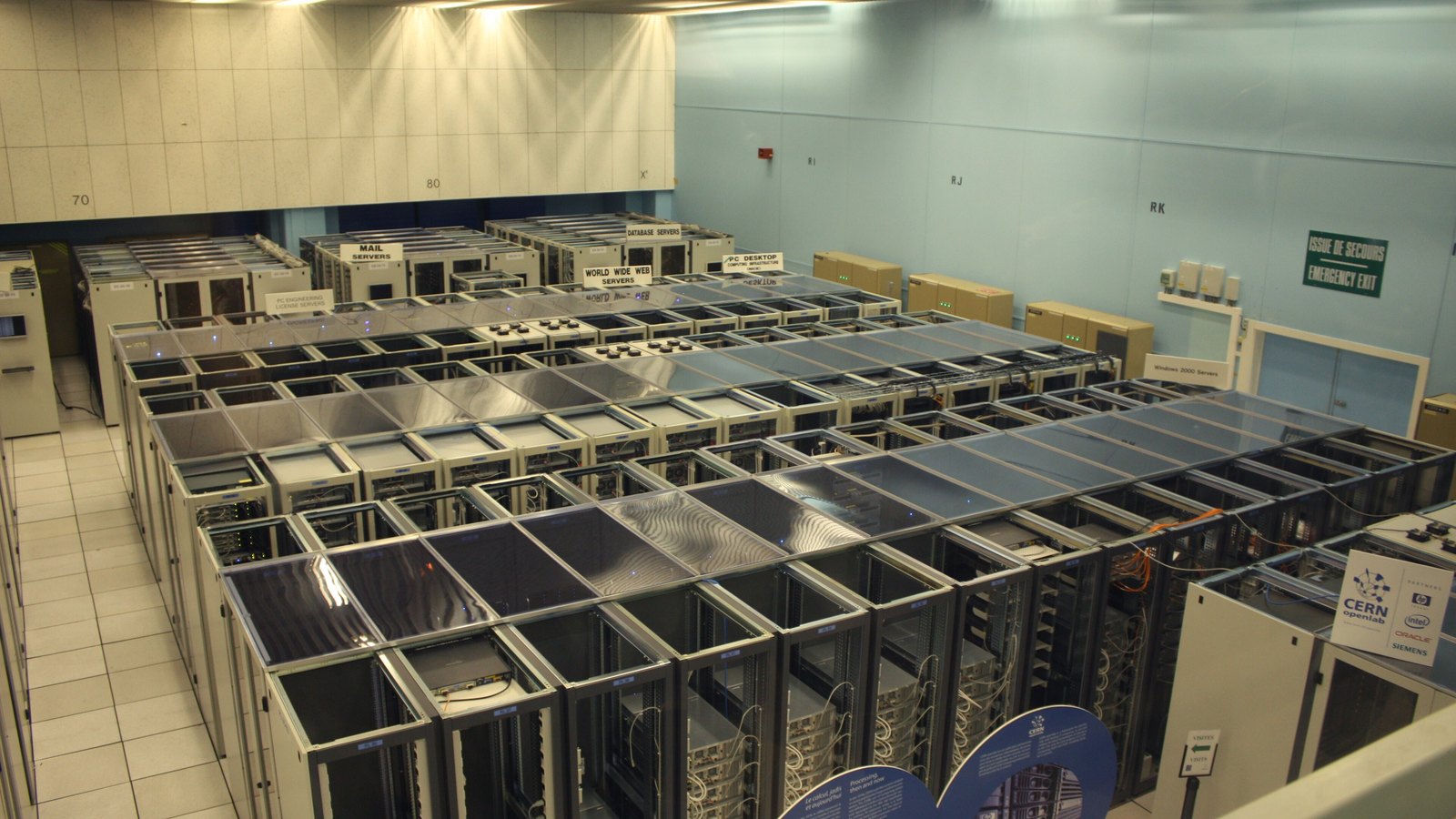
On 24 November 2026 Malaysia’s Ministry of Investment, Trade and Industry (MITI) said the Malaysian Investment Development Authority (MIDA) will tell every data centre operator in the country not to host, lease space to or provide services to the seven entities the United States added to its Entity List a day earlier. The new step, reported by The Star, follows the US Commerce final rule listing seven Megaspeed-linked entities and matters to any research group that rents GPU capacity in Southeast Asia.
What happened
MITI issued its statement on Tuesday 24 November 2026, according to Malay Mail, which carried the Bernama report. The ministry said MIDA will notify all data centre operators in Malaysia of the US listing and advise them not to host, lease space to, or provide services to the seven listed entities. Free Malaysia Today reported the same advisory, describing it as MITI’s plan to advise operators against hosting the entities newly added to the US trade blacklist.
The trigger was the final rule issued on Monday 23 November 2026 by the US Commerce Department’s Bureau of Industry and Security (BIS), which added seven entities to the Entity List. MITI also restated its general position: Malaysia “will not allow itself to be used as a channel to circumvent export controls”, and “Action will be taken against parties found to have contravened any laws.”
Key details
| Item | What MITI and the reports say |
|---|---|
| Who acts | MIDA will send the notice to all data centre operators in Malaysia |
| What operators are advised | Not to host, lease space to, or provide services to the seven listed entities |
| Malaysian entities named by MITI | Speedmatrix Sdn Bhd and MSFusion Sdn Bhd |
| Ownership of Speedmatrix | Wholly owned subsidiary of Megaspeed International Pte Ltd, incorporated in Singapore |
| PT Megaspeed International | Listed under Malaysia in the US document; MIDA records show it is not an entity in Malaysia and is not a data centre operator or tenant in Malaysia |
| Date of US rule | 23 November 2026 |
| Date of MITI statement | 24 November 2026 |
The reports count the Malaysian entities differently. The Star and Malay Mail, relaying MITI, say only two of the seven are Malaysian entities. Free Malaysia Today lists three Malaysian companies, counting PT Megaspeed International as listed under Malaysia in the US document. MITI’s own statement resolves this by saying MIDA’s records do not show PT Megaspeed International operating in Malaysia.
Background and context
The advisory is the latest of several Malaysian steps this month. On 13 November 2026 MITI said it had never cleared Megaspeed or its subsidiary Speedmatrix and that it was tightening checks on the re-export of AI chips, as The Star reported. Our earlier report on Malaysia’s Megaspeed AI chip re-export probe covers that statement, including the point that bringing chips into the country as a data centre tenant needs no permit, while moving high-performance US AI chips out of or through Malaysia has needed a permit since July 2025.
Speedmatrix is the Malaysian unit at the centre of the case. Free Malaysia Today described Megaspeed as a Singapore-based cloud computing company and Nvidia partner suspected of helping divert restricted AI chips to China, and noted MITI had previously said it was investigating Speedmatrix. Malay Mail’s photograph of the Speedmatrix office in the Eco Botanic township in Johor was taken on 13 November 2026.
The Malaysian move differs in kind from the first two. The listing is a US measure; the notice is a Malaysian government instruction to its own data centre sector, aimed at the operators who would otherwise be the landlords and service providers of the listed firms. Singapore took a different line the same day: Prime Minister Lawrence Wong said Singapore does not enforce US export controls but facilitates US checks, while running its own investigation.
Reaction
The statement itself is the main reaction on record. MITI framed Malaysia as committed to “a secure, transparent and rules-based trading environment” and warned that parties found to have contravened any laws would face action. The ministry’s separate point about PT Megaspeed International, that it is neither an operator nor a tenant in Malaysia, shows the government drawing a line between the entities the US lists under Malaysia and those with a local presence.
What it means for researchers, universities and research offices
Universities rarely contract with a data centre operator directly. More often they rent GPU time through a cloud provider, a collaborator’s allocation or a reseller, and the physical hosting site may be in Malaysia, Singapore or elsewhere. Three consequences follow from the Malaysian advisory.
- Screen the vendor and its tenants’ hosts. Entity List status is a restricted-party question. Research security and export compliance offices should run compute vendors, resellers and named subsidiaries through the Consolidated Screening List, and should treat a Singapore-incorporated parent and its Malaysian subsidiary as separate names to check, as the Speedmatrix and Megaspeed relationship shows. Our guide to the BIS Entity List explains the licence consequences of a listing.
- Ask where the hardware sits. A Malaysian notice that discourages operators from serving listed firms changes the supply of capacity in that market. Groups with GPU rentals hosted in Malaysian facilities can ask their provider whether any listed entity shares the site or the contract chain.
- Expect contract questions. Operators who receive the MIDA notice may add representations about restricted parties to their terms. Research offices and procurement teams should read renewals for new screening, termination or audit clauses, and brief the research security officer when a compute contract touches Southeast Asian hosting.
The practical lesson of the Megaspeed case is that the risk sits in the supply chain of compute, not only in who a university’s own collaborators are. The two governments’ statements show enforcement attention moving to the layer where capacity is hosted and resold.
What happens next
MIDA is to issue the notice to every data centre operator in Malaysia. The US rule’s own timetable is covered in our earlier report on the BIS final rule. MITI has said earlier that it is considering stronger controls where necessary, and action against any party found to have broken Malaysian law remains possible under its statement.
Sources
- The Star: Miti: Data centre operators to be advised against hosting US-blacklisted entities, 24 November 2026
- Malay Mail (Bernama): Miti names Speedmatrix, MSFusion among firms targeted by US export controls, 24 November 2026
- Free Malaysia Today: Miti to advise data centres against hosting US-blacklisted firms, 24 November 2026
- The Star: Miti says it has never cleared Megaspeed or subsidiary Speedmatrix, tightens checks on re-export of AI chips, 13 November 2026






