
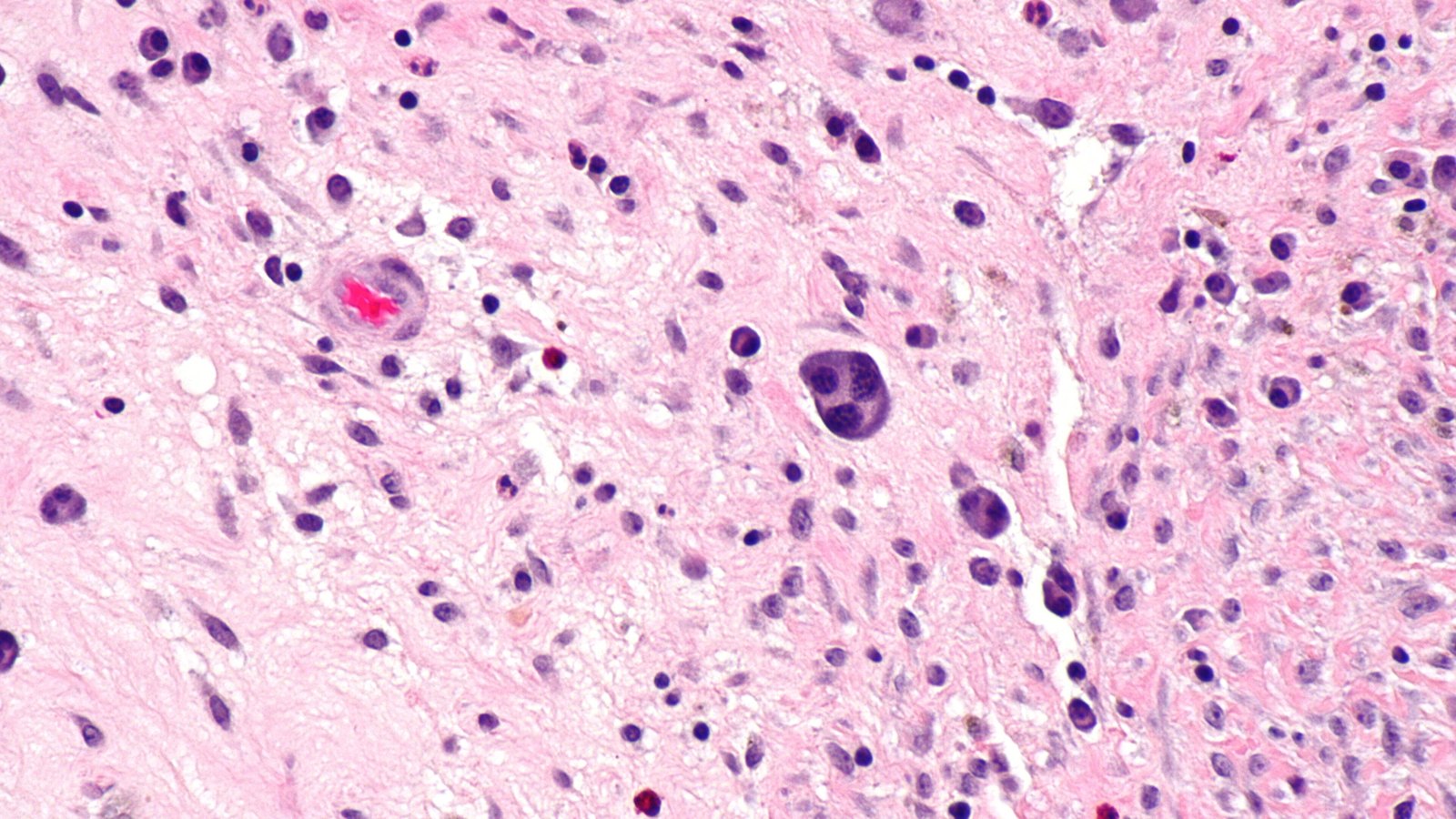
On 27 November 2026, the UK Medicines and Healthcare products Regulatory Agency granted marketing authorisation for linvoseltamab, marketed under the brand name Lynozyfic, to treat adult patients with relapsed or refractory multiple myeloma. The MHRA regulatory approval establishes an important bispecific immunotherapy pathway in British clinical oncology, imposing structured pharmacovigilance, trial governance, and confirmatory study requirements on academic medical centres and hospital research sponsors across the United Kingdom.
Regulatory Authorisation for Lynozyfic Across the United Kingdom
The UK Medicines and Healthcare products Regulatory Agency (MHRA) issued marketing authorisation on 27 November 2026 to Regeneron UK Limited for linvoseltamab, brand name Lynozyfic. The therapy is indicated as monotherapy for adults diagnosed with relapsed and refractory multiple myeloma who have previously received at least three lines of therapy. Eligible patients must have undergone prior treatment regimens incorporating an immunomodulatory agent, a proteasome inhibitor, and an anti-CD38 monoclonal antibody, and must have demonstrated objective disease progression on or after their most recent therapy.
The MHRA evaluated and approved the licensing submission through the International Recognition Procedure (IRP), utilizing Route B. The IRP framework, established under modernised UK clinical trials regulations, allows the British regulator to take into account technical assessments from designated international reference regulators, such as the European Medicines Agency, while reaching an autonomous national benefit-risk determination tailored to UK clinical practice.
Julian Beach, MHRA Executive Director of Operations, emphasized the clinical significance of the regulatory decision: “We’re pleased to approve linvoseltamab as a treatment option for adults with multiple myeloma whose cancer has worsened despite receiving at least three previous treatments. As with all medicines, we will keep its safety under close review.” The agency instructed clinicians and healthcare teams to report any suspected adverse reactions directly through the national Yellow Card reporting scheme.
Trial Efficacy, Target Mechanism, and Safety Benchmarks
Linvoseltamab functions as a fully human bispecific monoclonal antibody targeting both the B-cell maturation antigen (BCMA), predominantly expressed on malignant plasma cells, and the CD3 epsilon subunit of the T-cell receptor complex. By binding both molecular targets simultaneously, the antibody directs endogenous cytotoxic T-cells into close proximity with multiple myeloma cells, triggering targeted immunological lysis and tumor cell apoptosis without relying on pre-existing host T-cell tumor specificity.
The marketing approval rests on clinical evidence generated in the pivotal Phase 1/2 LINKER-MM1 trial, registered in the public registry under ClinicalTrials.gov identifier NCT03761108 and sponsored by Regeneron Pharmaceuticals. In the primary efficacy evaluation cohort comprising 117 adult patients treated at the recommended 200 mg dose, linvoseltamab demonstrated an objective response rate (ORR) of approximately 71% (83 of 117 patients). Responses ranged from partial responses to stringent complete responses, with approximately 50% of trial participants (58 of 117 patients) achieving a complete response or better. The average duration of response among responders was 29 months, demonstrating sustained disease control in a heavily pretreated demographic.
Managing the safety profile of bispecific antibodies necessitates strict clinical vigilance. The primary risks identified during clinical development encompass cytokine release syndrome (CRS) and immune effector cell-associated neurotoxicity syndrome (ICANS), alongside secondary infections resulting from profound B-cell depletion. To mitigate acute immunological toxicity, administration mandates a step-up dosing protocol during the initiation phase, coupled with prophylactic corticosteroid, antihistamine, and antipyretic premedication. Any severe immune event during therapy or post-licensing trials constitutes a suspected unexpected serious adverse reaction requiring expedited reporting.
| Clinical Parameter | Trial Metric (LINKER-MM1 200 mg Cohort) | Regulatory Specification |
|---|---|---|
| Active Substance | Linvoseltamab (REGN5458) | BCMA × CD3 bispecific monoclonal antibody |
| Study Population | 117 heavily pretreated RRMM patients | Triple-class exposed; >= 3 prior therapy lines |
| Overall Response Rate (ORR) | 70.9% (83 of 117 participants) | Primary response benchmark for licensing |
| Complete Response Rate (CR) | 49.6% (58 of 117 participants) | Rigorous surrogate endpoint of deep remission |
| Duration of Response (DOR) | 29.4 months median duration | Demonstrated long-term disease remission |
| Administration Route | Intravenous infusion with step-up dosing | Inpatient monitoring required for initial cycles |
| Primary Safety Warnings | Cytokine release syndrome and neurotoxicity | Boxed safety warnings and premedication protocol |
Therapeutic Landscape and the International Recognition Procedure
Multiple myeloma remains the second most prevalent hematological cancer in the Western world, characterized by relentless relapse cycles and diminishing response durations with each subsequent line of therapy. When patients become refractory to standard proteasome inhibitors (such as bortezomib and carfilzomib), immunomodulatory drugs (such as lenalidomide and pomalidomide), and anti-CD38 antibodies (such as daratumumab and isatuximab), prognosis drops precipitously, creating an urgent medical necessity for novel therapeutic mechanisms.
The UK authorisation aligns with broader international regulatory milestones. The European Medicines Agency concluded its centralized scientific evaluation of the therapy, publishing the comprehensive European Public Assessment Report for Lynozyfic earlier in the regulatory cycle. Under the post-Brexit International Recognition Procedure, the MHRA evaluated the EMA technical dossier alongside UK-specific epidemiological and post-marketing surveillance factors, completing its national review without duplicating the multi-year scientific assessment already conducted by European committees.
For clinical trial sponsors and academic centers, adherence to national standards is assessed through regular MHRA GCP inspection routines, which verify that investigational medicinal product storage, temperature tracking, and dose preparation align strictly with validated SmPC specifications.
Clinical Perspectives and Regulatory Oversight
Clinical hematologists and oncology research teams have welcomed the introduction of an off-the-shelf bispecific antibody therapy. Unlike autologous chimeric antigen receptor (CAR) T-cell therapies, which require cellular apheresis, complex viral vector transduction, and weeks of manufacturing turnaround during which rapidly progressing patients may deteriorate, bispecific antibodies are immediately accessible from hospital pharmacy stocks.
However, hospital pharmacy directors and clinical governance bodies note that bispecific biologics present distinct institutional operational demands. Implementing linvoseltamab requires robust clinical infrastructure, including trained nursing personnel capable of identifying early signs of cytokine release syndrome, dedicated inpatient beds for initial dose titration, and immediate institutional availability of IL-6 receptor antagonists such as tocilizumab.
The MHRA has reiterated that real-world safety surveillance is an essential condition of marketing authorisation. Routine clinical trial safety reporting and post-marketing data collection follow established national standards in pharmacovigilance in clinical research, obligating treating physicians and hospital pharmacists to log all unexpected adverse events directly into the Yellow Card registry.
Implications for Clinical Research Operations and Sponsor Oversight
The regulatory approval of linvoseltamab directly affects clinical trial units, university research offices, and academic health science centers participating in oncology drug development. Investigators planning investigator-initiated trials (IITs) or combination studies with immunotherapies, checkpoint inhibitors, or novel cellular agents must incorporate specific protocol amendments:
- Protocol Standardisation: Clinical trial protocols must define unambiguous grading scales for immune toxicities based on accepted consensus criteria, specifying mandatory dose interruption and corticosteroid intervention algorithms.
- Pharmacy SOPs and Cold-Chain Compliance: Research pharmacies must establish validated storage and handling standard operating procedures for concentrated biologics, ensuring rigorous reconstitution controls and temperature-monitored cold-chain integrity.
- Registry and Transparency Mandates: Sponsors conducting UK clinical studies must maintain compliance with clinical trial registration and reporting rules, ensuring that trial registries reflect current licensing statuses and published safety summaries.
- Research Budgeting and Billing Compliance: Research administrators must accurately distinguish between standard-of-care clinical management and protocol-driven investigational tests in clinical research budgets, ensuring hospital NHS excess treatment costs are managed appropriately.
Confirmatory Phase 3 Trials and Health Technology Appraisals
Following this initial marketing authorisation, several crucial clinical and health-economic milestones are scheduled to unfold across the UK and international jurisdictions. Sponsor Regeneron Pharmaceuticals is actively conducting the global confirmatory Phase 3 trial LINKER-MM3 (NCT05730036), which randomises patients with relapsed or refractory multiple myeloma between linvoseltamab monotherapy and established standard-of-care regimens, including elotuzumab, pomalidomide, and dexamethasone (EPd) or daratumumab, pomalidomide, and dexamethasone (DPd).
Within the UK National Health Service (NHS), routine clinical commissioning remains contingent upon health technology appraisal by national evaluation bodies. In England, the NICE technology appraisal for linvoseltamab is currently underway under project reference ID6609 (GID-TA11052). The appraisal committee is reviewing the clinical efficacy, comparative quality of life, and cost-effectiveness evidence to decide whether linvoseltamab will be recommended for routine NHS funding or interim access through the Innovative Medicines Fund.
The MHRA confirmed that detailed regulatory documentation, including the definitive Summary of Product Characteristics (SmPC) for prescribing clinicians and the Patient Information Leaflet (PIL) for consumers, will be published on the official MHRA Products portal in due course.
Sources
- Medicines and Healthcare products Regulatory Agency: MHRA approves linvoseltamab to treat adults with multiple myeloma, checked 2026-11-27
- ClinicalTrials.gov: Study of Linvoseltamab (REGN5458) in Patients With Relapsed or Refractory Multiple Myeloma (LINKER-MM1), checked 2026-11-27
- European Medicines Agency: Lynozyfic (linvoseltamab) European Public Assessment Report, checked 2026-11-27
- National Institute for Health and Care Excellence: Project information – Linvoseltamab for treating relapsed or refractory multiple myeloma after 3 or more treatments [ID6609], checked 2026-11-27






