
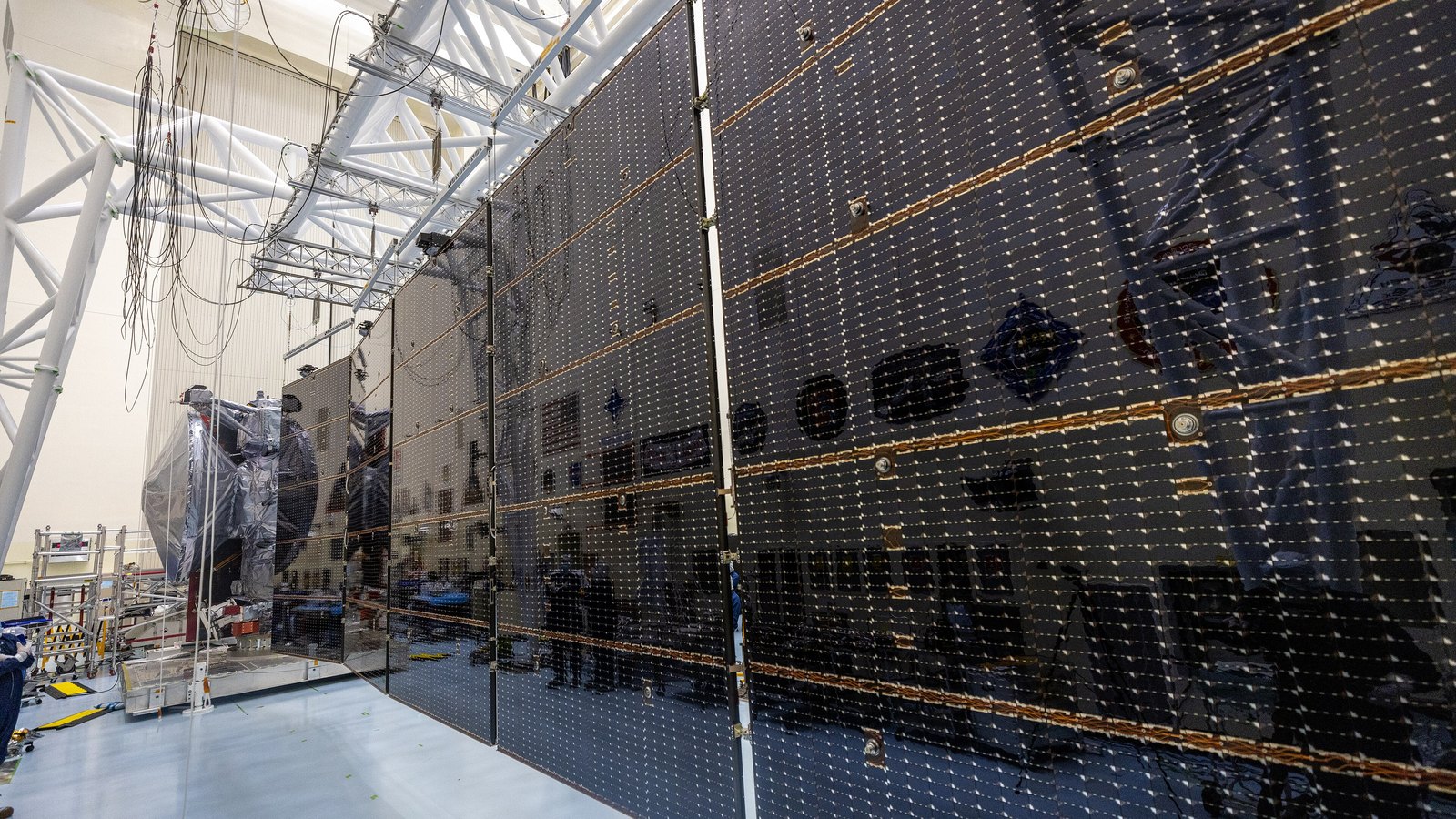
On November 20, 2026, NASA announced the selection of 302 small business and research-institution technology proposals to receive up to $171 million in early-stage seed funding through its SBIR and STTR programs. The awards finance critical lunar infrastructure, extreme robotics, and surface power, establishing essential collaborative subawards for university engineering laboratories and institutional technology transfer offices across the nation.
NASA Selects 302 Advanced Technology Projects Across SBIR and STTR Tracks
In a major expansion of early-stage aerospace research, the NASA official announcement from the Research and Technology Mission Directorate confirmed the selection of 302 research and development proposals. The portfolio combines feasibility investigations with advanced prototype demonstrations designed to support the Artemis campaign and establish permanent capabilities under the U.S. Moon Base architecture.
The awards operate through two statutory mechanisms: the federal Small Business Innovation Research (SBIR) program and the Small Business Technology Transfer (STTR) program. Managed directly by NASA Ames Research Center in California’s Silicon Valley on behalf of the agency’s mission directorates, the program bridges basic academic discovery and commercial mission infusion. The selections draw from multiple concurrent solicitation rounds: 2026 NASA SBIR Appendix A Phase I, 2026 NASA SBIR Appendix B Phase I, 2026 NASA STTR Appendix B Phase I, and the 2025 NASA SBIR Phase II cohort.
The portfolio targets engineering hurdles essential for permanent surface presence. Priorities include rollable power generation, autonomous robotic arms with tactile sensing, soil stabilization for reusable landing pads, and battery chemistries capable of enduring extreme cryogenic temperatures without parasitic electrical heaters.
Award Structure, Funding Allocations, and Highlighted Technical Breakthroughs
The $171 million investment is divided across two developmental tiers reflecting technical maturity and mission readiness:
- Phase I Feasibility Contracts: Comprising 204 selections across SBIR and STTR, these contracts provide up to $225,000 each for proof-of-concept studies over six months (SBIR) or twelve months (STTR).
- Phase II Prototype Demonstrations: Encompassing 98 awards valued at up to $1.3 million each, these 24-month contracts continue work begun under 2025 Phase I awards, targeting hardware demonstrations in relevant environments.
| Funding Mechanism | Total Selections | Maximum Contract Value | Performance Period | Research Partner Requirement |
|---|---|---|---|---|
| SBIR Phase I (Feasibility) | Included in 204 Phase I awards | $225,000 | 6 months | Optional subcontracting (up to 33% allowable) |
| STTR Phase I (Institutional Transfer) | Included in 204 Phase I awards | $225,000 | 12 months | Mandatory research institution partner (minimum 30% workshare) |
| SBIR Phase II (Demonstration) | 98 contracts | $1,300,000 | 24 months | Optional subcontracting (up to 50% allowable) |
Four highlighted initiatives demonstrate the capabilities funded across the portfolio:
- Modular Rollable Solar Arrays: Opterus Research and Development Inc. secured an SBIR Phase II award to build modular, rollable solar arrays deployable by robots. Designed to resist lunar dust, the system scales up to 50 kilowatts for surface habitats and resource plants.
- Tactile Robotic Manipulators: Intelligent Fiber Optic Systems Corporation received an SBIR Phase I contract to develop a 10-foot extendable robotic arm. Combining computer vision and fiber-optic sensors, it measures force, temperature, and texture to assemble structures and clean panels autonomously.
- Cryogenic Lunar Batteries: Elementium Materials Inc. won an SBIR Phase I award to engineer cold-climate battery modules operating down to minus 76 degrees Fahrenheit without active heaters, preserving rover power across the 14-day lunar night.
- Regolith Stabilization for Reusable Landing Pads: Slate Geotechnical Consultants Inc. partnered with the Colorado School of Mines Center for Space Resources on an STTR Phase I award to evaluate chemical and mechanical regolith stabilization for reusable rocket landing pads.
Background: Program Architecture and Federal Commercialization Rules
NASA’s SBIR and STTR initiatives operate under statutory authority established in Title 15 of the United States Code. Programmatic guidance detailed on the NASA SBIR/STTR program portal illustrates how the agency uses targeted seed capital to transition early-stage laboratory discoveries into flight-ready aerospace systems.
Across federal agencies, program rules are coordinated under U.S. Small Business Administration guidelines. While SBIR supports domestic small businesses conducting commercial research, STTR mandates formal cooperative research between small businesses and non-profit research institutions. Federal STTR rules require the small business to perform at least 40% of the work and the research institution to complete at least 30%, with the remainder allocated by mutual agreement.
A vital safeguard for university and small business participants is federal SBIR and STTR data rights. Awardees retain title to technical inventions, while the federal government receives a non-exclusive license and protects technical data against public disclosure for 20 years, providing legal certainty for commercialization.
Agency Perspectives and Technical Mission Directorate Priorities
Technical leadership across NASA emphasized that the 302 selected projects address engineering challenges that traditional prime procurements cannot tackle alone. Agency officials noted that small businesses and university partners provide agility and specialized expertise vital for lunar surface operations.
Program managers at NASA Ames Research Center highlighted that seed investments build a competitive pipeline that de-risks subsequent Artemis missions. By advancing modular power, cold-tolerant batteries, and autonomous manipulation at the component level, NASA accelerates technology deployment while distributing federal funding across regional research ecosystems.
Operational and Compliance Implications for Universities and Research Offices
The announcement carries specific contractual and regulatory responsibilities for university sponsored research offices and technology transfer personnel:
- Subaward Effort and Budget Verification: For STTR awards, sponsored programs teams must track work packages to verify that the academic partner completes its required 30% research share, ensuring proper application of negotiated Facilities and Administrative cost rates.
- Intellectual Property Allocation Agreements: Federal regulations require a formal IP agreement between the business and academic institution before contract execution. Technology transfer officers must reconcile institutional Bayh-Dole requirements with commercial exclusivity, establishing clear licensing options and background IP protections.
- Conflict of Interest Oversight: Faculty members serving as founders, consultants, or equity holders in aerospace startups require institutional review. Compliance committees must ensure that university facilities and student researchers remain separate from corporate operations.
- Export Control and Dual-Use Regulations: Aerospace systems, sensors, and structural materials frequently fall under International Traffic in Arms Regulations or Export Administration Regulations, requiring Technology Control Plans for foreign national research personnel.
- Phase III Transition Planning: Research administrators should assist faculty startups in exploring statutory Phase III non-SBIR sole-source transitions, allowing federal mission directorates and prime contractors to procure proven technologies directly.
Next Milestones and Implementation Schedule
Formal contract execution for the 204 Phase I projects will take place between late 2026 and early 2027. Investigators will deliver final feasibility reports to NASA program managers at the six-month mark for SBIR awards and the twelve-month mark for STTR awards.
Upon completing Phase I milestones in 2027, eligible contractors can submit competitive Phase II proposals for up to $1.3 million in prototype funding. Concurrently, the 98 Phase II awardees from the 2025 cohort will conduct environmental testing and hardware demonstrations through 2027 and 2028 to prepare for Artemis surface integration.
Sources
- NASA: New NASA Seed Funding Primes Small Businesses for Innovation, checked 2026-11-20
- NASA: Small Business Innovation Research (SBIR) and Small Business Technology Transfer (STTR) Program, checked 2026-11-20
- U.S. Small Business Administration: About the SBIR and STTR Programs, checked 2026-11-20
- Colorado School of Mines: Space Resources Program and Lunar Surface Simulator, checked 2026-11-20


