
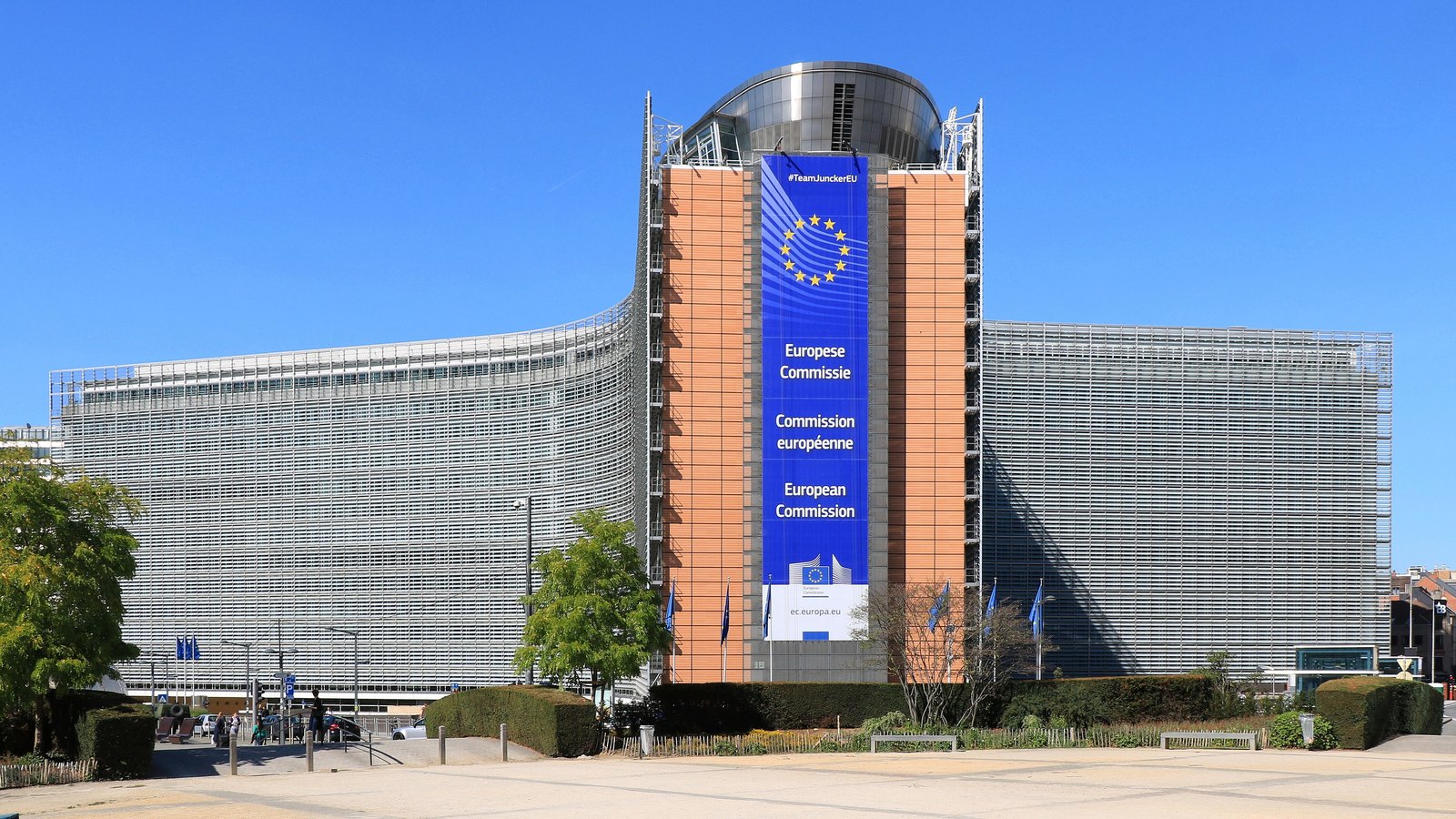
On November 19, 2026, the European Commission and the Republic of Armenia convened the Fifth EU-Armenia Joint Research and Innovation Committee meeting in Brussels under the Horizon Europe Association Agreement. With Armenian institutions securing roughly €10.78 million in net European Union research support to date, the bilateral session established updated priorities for European Research Area integration, science diplomacy frameworks, and institutional participation in forthcoming multilateral work programmes.
Bilateral Review of Horizon Europe Participation and Funding Growth
The Fifth Meeting of the EU-Armenia Joint Research and Innovation Committee convened at European Commission headquarters in Brussels on November 19, 2026. The meeting was co-chaired by Carole Mancel-Blanchard, Head of Unit for International Cooperation (Europe and Americas) at the Directorate-General for Research and Innovation, and Krystyna Tatarian, Deputy Minister of Education, Science, Culture and Sport of the Republic of Armenia. According to the official European Commission Directorate-General for Research and Innovation announcement, delegations evaluated Armenia’s operational integration across Horizon Europe pillars and reviewed bilateral roadmaps for the 2026–2027 Work Programme.
Both sides welcomed an accelerating trajectory in Armenian scientific engagement, noting that the total net EU financial contribution to Armenian participants has tripled since association, reaching approximately €10.78 million across competitive grants. The committee highlighted Armenia’s formal accession to the 2024 Brussels Ministerial Statement on Principles and Values for International Cooperation in Research and Innovation, announced at the EU–Armenia Summit in Yerevan on May 5, 2026. The parties also evaluated Armenia’s involvement in Phase 2 of the Multilateral Dialogue on Principles and Values and reviewed operational measures under the Council Recommendation on a European Union framework for science diplomacy.
Key Metrics, Governance Mechanisms, and Strategic Initiatives
The committee examined performance metrics across Widening Participation instruments—notably Twinning, ERA Chairs, and Teaming actions—designed to build institutional capacity and strengthen technology transfer in associated nations. Alongside framework metrics, delegations assessed Armenian national policy reforms and capital investments in academic infrastructure. The table below details the strategic benchmarks, policy instruments, and multilateral frameworks evaluated during the Brussels committee session.
| Governance Domain | Instrument or Framework | Operational Scope and Performance Targets |
|---|---|---|
| Financial Performance | Horizon Europe Net Allocation | Net EU funding reached approximately €10.78 million, tripling baseline returns since initial programme association. |
| Research Values | Brussels Ministerial Statement | Acceded on May 5, 2026; integration into Phase 2 Multilateral Dialogue on academic freedom and scientific integrity. |
| National Strategy | Science Sector Programme 2026–2030 | National roadmap to establish an internationally competitive scientific system aligned with the European Research Area by 2030. |
| Innovation Ecosystems | EIT Community Hub Yerevan | Launch scheduled for late 2027 to connect regional researchers and startups to Knowledge and Innovation Communities. |
| Infrastructure Hub | Academic City Megaproject | Consolidation initiative integrating 12 state universities and national research institutes onto a unified campus. |
| Governance Cycle | Joint Committee Session | Sixth annual committee session scheduled to convene in Yerevan in 2027. |
Delegations welcomed Armenia’s adoption of the Strategic Programme for the Development of the Science Sector for 2026–2030, which establishes governance reforms to align national laboratories with European Research Area standards. The programme coordinates public research financing alongside Armenia Higher Education and Science Committee research grant programs to prepare domestic research teams for competitive European consortium bids.
Context and Evolution of EU-Armenia Research Ties
Armenia’s formal association with European research programmes began under Horizon 2020 in 2016. Association negotiations for Horizon Europe concluded in November 2021, entering into force retroactively from January 1, 2021, as documented by the Scientific and Innovation Partnership Assistance Center. Association provides Armenian entities with full legal eligibility to participate in Horizon Europe calls under the same terms as EU Member States, without requiring third-country matching guarantees.
Under the policy umbrella of European Commission international cooperation with Armenia in research and innovation, cooperation has evolved beyond individual mobility toward comprehensive structural reform. To address historical fragmentation between universities and the National Academy of Sciences, the Armenian government initiated the Academic City project in Yerevan. As reported by Times Higher Education on Armenian higher education transformation, the multi-billion-dollar project aims to consolidate 12 state universities and associated institutes onto a single purpose-built campus, creating the institutional scale necessary to lead competitive international consortia.
Stakeholder Responses and Strategic Perspectives
European and Armenian officials underscored the mutual advantages of deepening research integration. Carole Mancel-Blanchard affirmed that Armenia’s expanding engagement validates the European Research Area’s open association framework, ensuring that scientific collaboration rests on shared commitments to open access, research ethics, and reciprocal mobility. Deputy Minister Krystyna Tatarian noted that Horizon Europe participation serves as a catalyst for national modernisation, enabling Armenian universities to modernise laboratories and retain scientific talent.
Sector observers and higher education administrators have welcomed the partnership while tracking institutional adjustments on the ground. According to analysis by Hetq investigative journalists on Armenia’s Academic City megaproject, academic faculties and civil society continue to monitor the practical logistics, campus relocation schedules, and governance autonomy associated with domestic institutional mergers. Nevertheless, university leadership recognises that closer integration with EU standards provides essential peer review credibility, long-term funding stability, and expanded access to European research infrastructures.
Implications for Universities, Consortium Leaders, and Research Offices
The committee’s findings present concrete operational considerations for European universities and pre-award research offices preparing proposals under upcoming Horizon Europe calls:
- Widening Status and Consortium Formation: Armenia’s designation as a Widening Country enables Armenian institutions to participate as coordinators and beneficiaries in Twinning, Teaming, and ERA Chairs calls. Mainstream Pillar II consortia also gain geographical diversity by integrating Armenian partners in climate, digital, and health clusters.
- Contractual Structuring: Research offices partnering with Armenian teams should establish clear terms early regarding intellectual property, data stewardship, and liability through a formal research collaboration agreement before finalising Grant Agreements with the European Commission.
- Financial and Co-Funding Management: Pre-award teams must ensure that national and institutional contributions meet EU eligibility criteria. Research administrators can consult guidelines on co-funding and matching funds in international collaborative grants to manage overhead allocation, currency conversion, and eligible direct costs.
- Contract Compliance: University legal teams should review collaborative research contract key clauses to align EU Model Grant Agreement obligations with local institutional regulations, particularly concerning researcher secondments and cross-border equipment transfers.
- Open Science and Tracking: In accordance with the Brussels Statement on research principles, project coordinators must implement persistent identifiers across research outputs, registering a persistent grant DOI to support transparent citation, data discovery, and automated compliance tracking.
Upcoming Milestones and Next Steps for Bilateral Cooperation
Bilateral engagement will proceed through defined milestones over the next 12 to 24 months. By late 2027, the European Institute of Innovation and Technology plans to launch an EIT Community Hub in Yerevan. Under the EIT Regional Innovation Scheme, the hub will connect Armenian researchers, technology spin-offs, and students with EIT Knowledge and Innovation Communities across Europe.
Domestically, the Armenian government will advance the initial phase of the Strategic Programme for the Development of the Science Sector 2026–2030, offering targeted National Contact Point training to enhance application success rates under Horizon Europe 2026–2027 work programmes. Formal bilateral oversight will continue when the Sixth EU-Armenia Joint Research and Innovation Committee convenes in Yerevan in 2027 to review progress across research mobility, innovation hubs, and joint infrastructure initiatives.
Sources
- European Commission Directorate-General for Research and Innovation: Fifth EU-Armenia Horizon Europe Joint Research and Innovation Committee meeting, checked 2026-11-20
- European Commission Directorate-General for Research and Innovation: International cooperation with Armenia in research and innovation, checked 2026-11-20
- Scientific and Innovation Partnership Assistance Center: EU Horizon Europe Association Agreement enters into force, checked 2026-11-20
- European Institute of Innovation and Technology: The EIT Regional Innovation Scheme (RIS): Closing the innovation divide in Europe, checked 2026-11-20
- Times Higher Education: Minister: new academic city will ‘totally transform’ Armenian HE, checked 2026-11-20
- Hetq: Armenia Sets 2027 Start for “Academic City” Student Housing Amid Ongoing Scrutiny Over $3 Billion Megaproject, checked 2026-11-20


