
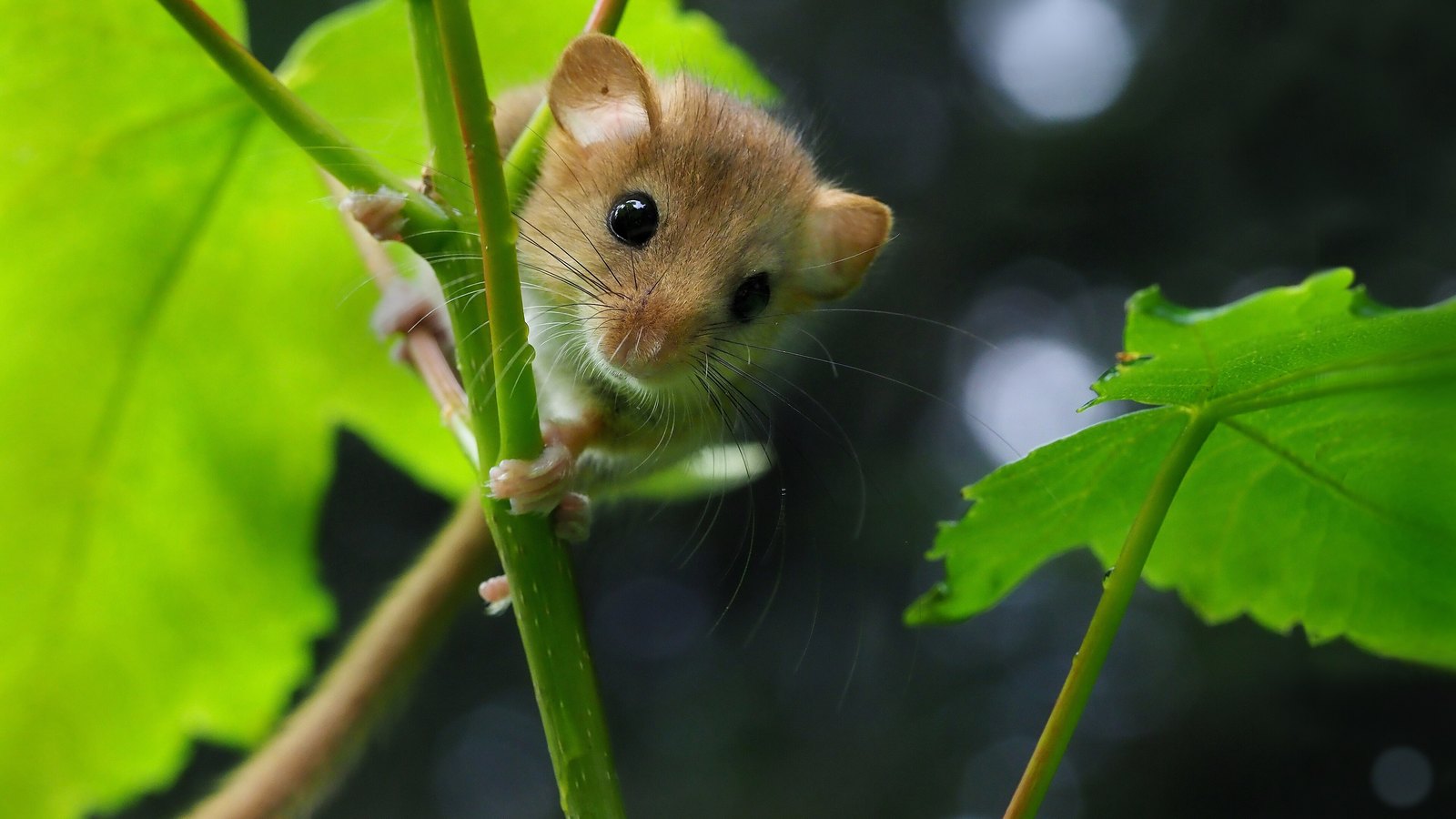
Natural England has issued a statutory update to wildlife survey class licences CL10a (Level 1) and CL10b (Level 2) on 27 November 2026, removing redundant questions from mandatory annual survey returns to eliminate duplicate reporting for ecological researchers in England. The revision harmonises government compliance returns with data submitted to the People’s Trust for Endangered Species (PTES) National Dormouse Monitoring Programme (NDMP), easing administrative burdens for universities, conservation charities, and ecological consultancies tracking protected arboreal mammals.
De-duplication of Statutory Licence Returns and PTES Data Integration
Under English wildlife law, the hazel dormouse (Muscardinus avellanarius) is protected as a European Protected Species under the Conservation of Habitats and Species Regulations 2017 and Schedule 5 of the Wildlife and Countryside Act 1981 (as amended). Field biologists must hold statutory class licences to legally capture, handle, or disturb dormice in nest boxes or tubes. Historically, researchers faced duplicate administrative burdens each January, submitting site counts to PTES while completing an overlapping annual return for Natural England.
Under the conditions set out in the CL10a statutory licence document, registered ecologists record capture dates, locations, grid references, and handling methods. The 27 November 2026 revision explicitly trims overlapping field questions from the electronic return protocol. Licenced researchers who upload seasonal population demographics to PTES no longer need to re-enter duplicate records into the government return portal. Instead, Natural England coordinates data directly with PTES, which oversees more than 400 long-term woodland monitoring sites across England and Wales.
This administrative alignment reflects research data principles promoted by the Natural Environment Research Council (NERC), which advocates for streamlined biological records, reduced reporting frictions, and reusable biodiversity data structures across environmental research programmes.
Scope Distinctions Between CL10a and CL10b Statutory Licences
Natural England maintains two tiered class licences for scientific research and educational monitoring of hazel dormice. The Level 1 licence (CL10a) authorises accredited practitioners to disturb, take, and handle hazel dormice found inside nest tubes, artificial nest boxes, or natural nests, provided every animal is examined on-site and released immediately at the capture point. CL10a does not authorise invasive procedures, captive holding beyond immediate inspection, or physical marking.
The Level 2 licence (CL10b) covers all activities authorised under Level 1 but additionally permits researchers to perform temporary marking by fur-clipping. Fur-clipping represents a standard non-invasive identification technique in mark-recapture population studies, allowing field ecologists to evaluate survival rates, movements, and population densities across deciduous woodlands without permanent tissue alterations. Both licences require demonstrated competency, including written references from established licence holders confirming extensive field hours handling active and torpid individuals and observing biosecurity protocols.
The operational and regulatory parameters governing both class licences are summarised below:
| Licence Parameter | CL10a (Level 1 Licence) | CL10b (Level 2 Licence) |
|---|---|---|
| Primary Purpose | Scientific survey, education, presence assessment, nest tube/box checks | Advanced ecological research, demographic mark-recapture studies |
| Authorised Handling | Disturb, take, and handle dormice by hand; immediate release on site | Disturb, take, handle by hand, and apply temporary fur-clipping |
| Permitted Sites | Artificial nest boxes, survey nest tubes, and natural dormouse nests | Artificial nest boxes, survey nest tubes, and natural dormouse nests |
| Marking Scope | Strictly prohibited; immediate release without marking | Temporary fur-clipping authorised; microchipping requires project licence |
| Commercial Fee | £104 registration fee for commercial development and consulting | £104 registration fee for commercial development and consulting |
| Academic Exemption | 100% fee waiver for academic research, students, and volunteers | 100% fee waiver for academic research, students, and volunteers |
| Annual Return | Mandatory electronic return between 1–31 January; PTES de-duplicated | Mandatory electronic return between 1–31 January; PTES de-duplicated |
Fee Schedules, Cost Waivers, and Academic Exemption Framework
Natural England charges a standard registration fee of £104 for processing new applications under CL10a and CL10b. This charge applies to commercial ecological consultants and developers conducting environmental impact assessments. However, statutory charging rules contain explicit exemptions designed to protect independent scientific inquiry, university training, and charitable wildlife conservation.
Natural England waives the £104 registration fee in its entirety when survey activities fall into one of two statutory categories: unpaid voluntary work conducted on behalf of an established wildlife trust or charitable monitoring scheme, or scientific and educational research carried out by students or employed staff of an accredited academic institution, university, research institute, or environmental non-governmental organisation. Applicants declare their operating model upon registration. If an academic researcher subsequently transitions into commercial consulting, they must register separately under a commercial profile and remit the statutory fee.
The fee exemption structure supports academic field courses and post-graduate researchers investigating biodiversity indicators within woodland habitats. Field practices must adhere to recognised standards in applied ecology, as documented in research journals such as the Journal of Applied Ecology, ensuring data gathered under statutory licences satisfy peer-review criteria.
Biosecurity Protocols and International Conservation Context
The statutory documentation also reinforces mandatory disease prevention measures. Field biologists must observe hygiene standards to prevent pathogen transmission between dormice and across habitat patches. Natural England’s statutory conditions require surveyors to clean weighing bags, handling tubes, and calipers between checks using veterinary disinfectants.
Surveyors encountering dormant individuals during transitional seasons must handle animals with insulated gloves or clean handling bags to minimise thermal shock. Nest boxes and tubes must be checked during daylight hours to allow torpid dormice time to safely settle before nocturnal activity begins. These biosecurity mandates ensure monitoring activities comply with global conservation agreements, including commitments under the Convention on Biological Diversity, which obligate signatory nations to maintain native species viability and mitigate anthropogenic pressures on vulnerable wildlife populations.
Implications for Ecological Researchers and Universities
For universities, research institutes, and ecological consultancies, the 27 November 2026 licence update clarifies reporting obligations and simplifies annual compliance audits. University research offices should ensure field teams understand the streamlined workflow before the upcoming reporting cycle.
Principal investigators running long-term woodland biodiversity studies should ensure field teams are registered with the PTES monitoring platform. Because data entered into PTES directly satisfies statutory information needs, research groups can standardise seasonal data pipelines, eliminating parallel spreadsheets for university archives and government returns. Furthermore, researchers coordinating cross-border investigations involving species transport or sample transfers must verify whether additional international permits, such as a CITES permit, are necessary when exporting dormouse genetic material or museum specimens.
Woodland management research programmes also benefit directly from these updated protocols. As researchers assess how silvicultural interventions influence small mammal dispersal, maintaining active nest box monitoring networks provides crucial quantitative data. Integrating dormouse conservation monitoring with sustainable forest management techniques allows woodland managers and university forestry departments to calibrate canopy connectivity and understorey vegetation density without administrative bottlenecks.
Compliance Deadlines and Mandatory January Reporting Window
Natural England reminds all registered holders of class licences CL10a and CL10b that annual survey returns must be submitted electronically between 1 January and 31 January following the survey season. Registered individuals must submit a return even if no surveys were conducted or if zero hazel dormice were encountered during the licenced period (a “nil return”). Failure to submit an annual return by the 31 January statutory deadline constitutes a breach of licence conditions, invalidating the holder’s registration and preventing renewal.
With streamlined forms active on GOV.UK, surveyors preparing for January can verify their PTES submission status in advance. Academic researchers must ensure their institutional details remain current on their Natural England profile. By completing the revised return through the updated electronic portal, registered dormouse surveyors will maintain full statutory compliance while supporting England’s national biodiversity monitoring infrastructure.
Sources
- Natural England: Hazel dormice: survey or research – level 1 licence (CL10a) statutory guidance, checked 2026-11-27
- Natural England: Hazel dormice: survey or research – level 2 licence (CL10b) statutory guidance, checked 2026-11-27
- Natural England: Licence to survey hazel dormice for scientific or educational purposes – Level 1 (CL10a) statutory conditions, checked 2026-11-27
- People’s Trust for Endangered Species: National Dormouse Monitoring Programme (NDMP), checked 2026-11-27
- UKRI Natural Environment Research Council: Ecological Survey and Biodiversity Research Standards, checked 2026-11-27






