
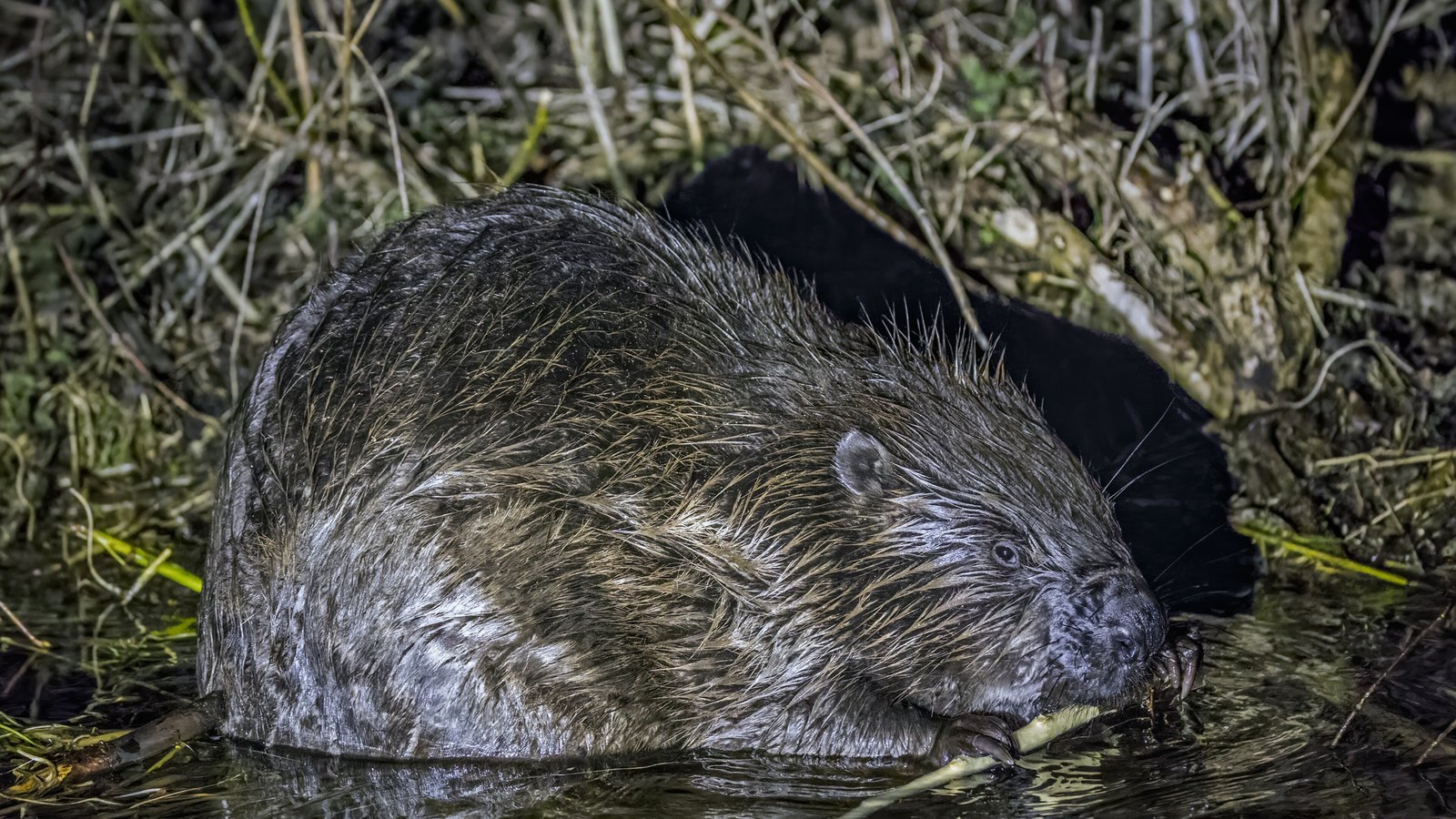
On 27 November 2026, the UK Animal and Plant Health Agency and the Department for Environment, Food and Rural Affairs announced that routine wildlife disease surveillance identified Mycobacterium bovis in two wild Eurasian beavers in south-west England, marking the first confirmed UK detections of bovine tuberculosis in wild beavers and prompting operational protocol updates for university reintroduction programmes, veterinary testing facilities, and river catchment research trials.
Routine Post-Mortem Surveillance Detects M. bovis in Two Wild Beavers
The Animal and Plant Health Agency (APHA), operating with Defra and Natural England, confirmed the presence of Mycobacterium bovis in two wild Eurasian beavers (Castor fiber) recovered dead in south-west England. This represents the first documented occurrence of tuberculosis in beavers in the United Kingdom and the first recorded detection of M. bovis in the species globally.
The index case was detected in August 2026 during routine surveillance when a beaver carcass underwent post-mortem examination by veterinary pathologists at the Zoological Society of London (ZSL). Pathologists observed pulmonary granulomatous lesions, and subsequent Ziehl-Neelsen staining indicated acid-fast mycobacteria. Confirmatory testing at APHA laboratories returned positive results for M. bovis by polymerase chain reaction (PCR), as detailed on the APHA Science Blog.
Following this diagnosis, pathologists conducted a retrospective audit of 70 previous beaver post-mortem examinations. The review highlighted a second wild beaver carcass recovered in spring 2025 from a separate catchment in south-west England that displayed similar lesions but had tested negative on initial histology. Because archival specimens were maintained in the Wildlife Recovery Support Unit repository, tissue samples were submitted to APHA and confirmed positive for M. bovis via PCR.
State veterinary epidemiologists classify both occurrences as isolated and independent. Both animals lived within England’s bovine TB High Risk Area (HRA), where infection is endemic in cattle and badgers. Surveillance across other British beaver populations has revealed no further cases.
Case Characteristics, Pathological Findings, and Diagnostic Specifications
To differentiate M. bovis from environmental mycobacteria, reference laboratories applied workflows combining gross necropsy, histochemical staining, and molecular assays. Confirmatory testing utilizes targeted TaqMan qPCR assays directed at insertion sequences such as IS6110. In wildlife tissues with low bacillary loads, molecular teams also employ droplet digital PCR for high-precision quantification without external reference curves.
Diagnostic protocols adhere to contamination safeguards codified in standardised PCR protocols, ensuring high specificity across wild animal tissues. Pathological metrics of both cases are detailed below:
| Surveillance Metric | Case 1 (August 2026) | Case 2 (Spring 2025 Retrospective) |
|---|---|---|
| Detection Timeline | August 2026 routine surveillance | Spring 2025 biobank review |
| Geographic Setting | South-west England (High Risk Area) | South-west England (Separate distant catchment) |
| Animal Provenance | Free-living wild beaver | Wild-born beaver from established population |
| Gross Pathology | Pulmonary lesions and granulomas | Macroscopic granulomatous tissue |
| Microscopy (Ziehl-Neelsen) | Acid-fast bacilli visualized | Negative on initial histochemistry |
| Confirmatory Molecular Assay | APHA diagnostic PCR positive for M. bovis | APHA diagnostic PCR positive for M. bovis |
| Host Epizootiology | Isolated spillover host event | Independent spillover host event |
Epizootiologically, beavers are considered “spillover hosts” rather than “maintenance hosts.” While nearly all mammals are susceptible to M. bovis, spillover hosts do not maintain self-sustaining transmission chains in the absence of external reservoir exposure. Authoritative guidance from the TB Hub wildlife disease guidance notes that studies consistently show bTB transmission occurs overwhelmingly between cattle, and there is no evidence that beavers increase transmission risks to livestock or humans.
Epidemiological Context and Reintroduction Governance in High Risk Areas
Eurasian beavers were extirpated from Britain in the sixteenth century by hunting. Controlled reintroductions—including the River Otter trial in Devon—have successfully restored colonies to natural catchments. Evidence from paleoecology and historical faunal distributions demonstrates that beavers historically served as keystone engineers, creating wetland mosaics that regulate hydrology and expand freshwater biodiversity. In autumn 2022, beavers received legal protection under Schedule 9 of the Wildlife and Countryside Act 1981, making wild releases without a licence from Natural England a criminal offence.
In parallel, the UK government is pursuing a bovine TB eradication strategy aimed at eliminating infection in England by 2038. South-west England represents an endemic High Risk Area subject to mandatory herd testing and strict movement controls. Because wild beavers inhabit watercourses bordered by livestock pasture, localized exposure can occur through shared grazing access or infected sympatric wildlife.
To manage disease risks, Natural England enforces the Eurasian Beaver Disease Risk Management and Post-Release Health Surveillance Protocol (JP055), requiring pre-release health screening and systematic necropsies of wild carcasses.
Veterinary and Conservation Sector Reactions to the Findings
State veterinary officers emphasized that the detections demonstrate the strength of England’s surveillance infrastructure. UK Deputy Chief Veterinary Officer Ele Brown confirmed that authorities are reviewing infection pathways, noting that while Natural England will update biosecurity guidance, there is currently no evidence that beavers present a transmission risk to cattle, other wildlife, or people.
APHA Veterinary Director Irene Cristofaro explained that routine surveillance allows novel pathogen interactions to be investigated rapidly. Natural England Director Matt Heard stated that all beavers undergo health screening prior to release, affirming that licensing processes balance nature restoration with agricultural protection.
The veterinary profession urged an evidence-led response. Aligned with the official British Veterinary Association bovine tuberculosis policy framework, veterinary leaders stressed that disease eradication requires targeted cattle controls, badger management, and robust on-farm biosecurity rather than disproportionate restrictions on non-reservoir wildlife.
Conservation organizations supported continued species recovery. Ecological bodies participating in Beaver Trust conservation programmes welcomed the transparency of the findings, noting that in continental European regions where M. bovis is endemic, beaver recovery has proceeded without beavers becoming disease vectors.
Implications for University Field Stations, Ecological Trials, and Research Compliance
The confirmation of M. bovis in wild beavers carries direct operational requirements for academic field stations, catchment researchers, and university research offices:
- Mandatory Mortality Reporting: Teams managing enclosed trials or wild populations must report beaver mortalities immediately to the Natural England Enquiry Service (0300 060 3900) to arrange carcass transport to ZSL for necropsy. Field dissections are prohibited.
- Ante-Mortem Testing Limits: Research offices and grant writers must note that there is currently no validated ante-mortem diagnostic test demonstrating that a live beaver is free from M. bovis, nor an approved bTB vaccine for beavers. Proposals cannot promise ante-mortem disease exclusion and must rely on quarantine isolation.
- Biosafety Protocols: Mycobacterium bovis is a Hazard Group 3 biological agent. Staff handling animals must hold approved biosafety protocols and wear FFP3 respirators during invasive veterinary procedures. Field personnel conducting environmental DNA (eDNA) or water sampling face negligible aerosol risks but should maintain footwear disinfection protocols.
- Farm Biosecurity Collaboration: Projects in agricultural catchments should support biosecurity by helping farmers fence riparian margins, ensuring cattle drink from clean troughs rather than water margins.
- Licensing Compliance: Institutional ethics boards must ensure all capture, screening, or relocation activities maintain active statutory licences from Natural England under the Conservation of Habitats and Species Regulations 2017.
Surveillance Expansion and Regulatory Timelines for Release Licensing
Natural England announced a short pause on the Beaver Wild Release Expression of Interest process while epidemiologists complete investigations. The pause enables authorities to evaluate kinship lines and biosecurity factors without disrupting existing research enclosures.
APHA scientists are conducting whole-genome sequencing (WGS) and spoligotyping on the isolates. This analysis will determine whether the strains match resident M. bovis genotypes established in local cattle and badgers, confirming local spillover. Genomic results are expected in early 2027.
Technical findings will be incorporated into revised editions of Protocol JP055, with updated wild release guidance scheduled for spring 2027. Defra confirmed that statutory cattle testing rules across the south-west HRA remain unchanged under the 2038 eradication programme.
Sources
- GOV.UK: Wildlife surveillance identifies isolated TB cases in wild beavers in south-west England, checked 2026-11-27
- APHA Science Blog: Investigating two cases of Mycobacterium bovis in wild beavers, checked 2026-11-27
- TB Hub: Animal Tuberculosis, TB Symptoms in Wild Animals, checked 2026-11-27
- British Veterinary Association: Bovine tuberculosis (bTB), checked 2026-11-27
- Beaver Trust: Our work, checked 2026-11-27






