
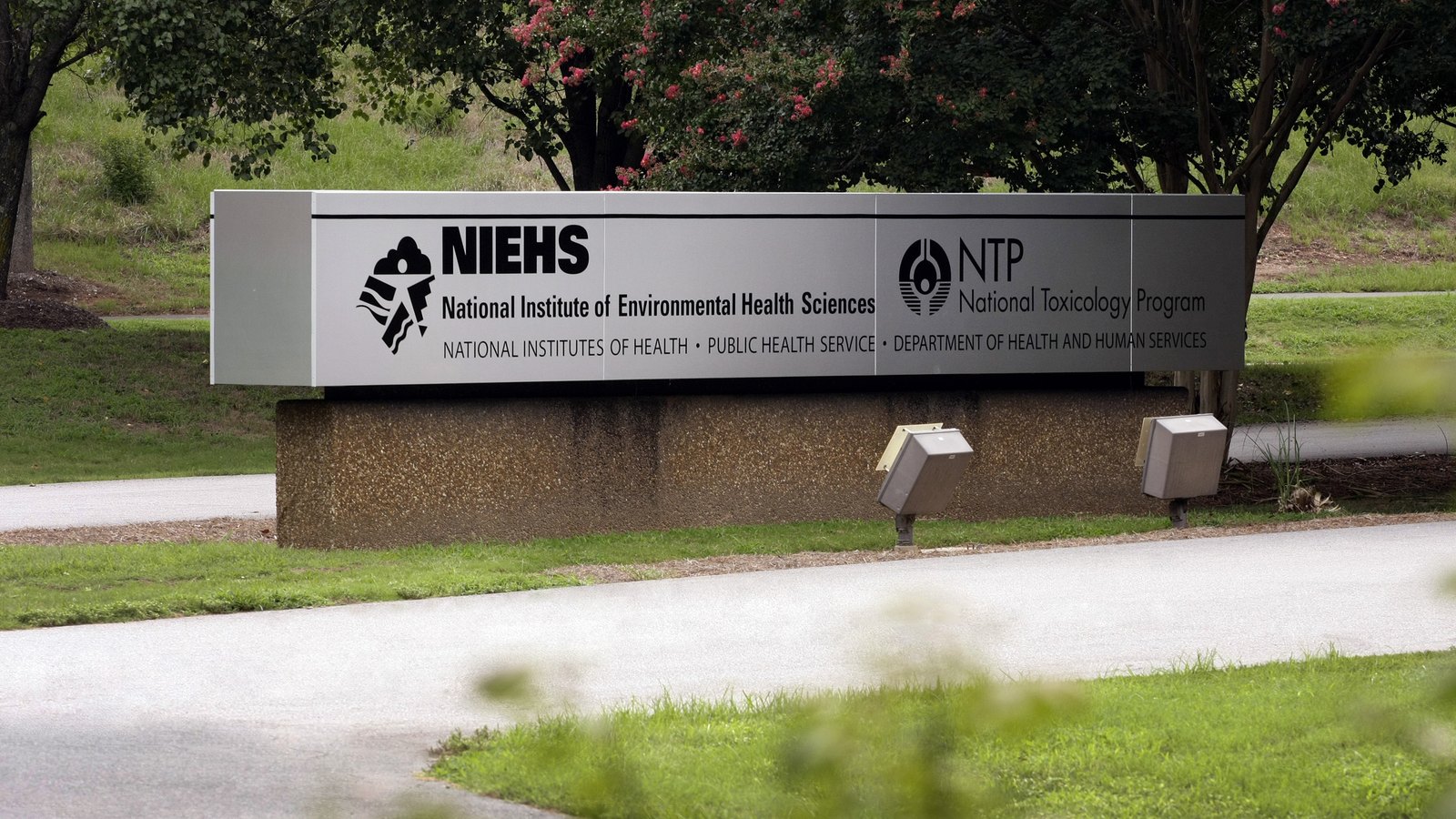
Federal scientists at the National Institute of Environmental Health Sciences (NIEHS) in Research Triangle Park, North Carolina, released two systematic reviews on November 20, 2026, finding consistent evidence linking glyphosate-based herbicides to human non-Hodgkin lymphoma and rodent tumors. The findings, requested by the U.S. Department of Health and Human Services, complicate federal pesticide re-registration reviews and require university research compliance offices and environmental health investigators to re-examine occupational exposure protocols and agricultural chemical hazard assessments.
HHS-Directed Systematic Reviews Identify Cancer Associations
The Report on Carcinogens Group within the NIEHS Division of Translational Toxicology conducted the evaluations after a formal request from the U.S. Department of Health and Human Services (HHS). Organized under the NIEHS Glyphosate and Glyphosate-Based Herbicide Exposure Evaluation Project, the reviews address persistent scientific controversy surrounding the world’s most widely applied agricultural chemical.
The human epidemiological investigation, led by Sabah M. Quraishi and Ruth M. Lunn, analyzed decades of peer-reviewed population studies on glyphosate and formulated mixtures. The authors concluded that the epidemiological literature demonstrates a consistent positive association with blood and lymphatic cancers that cannot be explained by study bias. A companion systematic review led by toxicologist M. L. Urich evaluated rodent bioassays, identifying treatment-related neoplasms at multiple tissue sites. An integration analysis led by B. E. Blake synthesized both lines of evidence, concluding that cross-species concordance strengthens confidence in a biological cancer hazard.
Reporting on November 22, 2026, by The Washington Post noted that the conclusions increase pressure on federal chemical regulators as legal and scientific scrutiny mounts. Independent coverage from Sustainable Pulse and financial policy analyses from MLQ.ai emphasized that the reviews challenge longstanding regulatory safety determinations.
Key Findings Across Epidemiological and Toxicological Evidence
The NIEHS team screened more than 800 published citations before selecting high-informativeness cohort and case-control investigations. The synthesis evaluated 24 independent study populations assessing non-Hodgkin lymphoma (NHL), 20 populations evaluating multiple myeloma, seven examining Hodgkin lymphoma, and two investigating leukemia. Every reviewed population reported at least one positive association with blood and lymphatic malignancies, primarily NHL or specific histological subtypes.
Methodological synthesis required distinguishing between narrative literature aggregation and quantitative pooling, an analytical distinction detailed in CASRAI’s comparative guide on systematic review vs. meta-analysis. Evaluating evidentiary weight across observational datasets similarly engaged hierarchical criteria aligned with the Melnyk level of evidence framework.
Reviewers classified epidemiological evidence into specific confidence tiers. The team assigned a rating of “some evidence” of a positive association for overall non-Hodgkin lymphoma, B-cell lymphomas, diffuse large B-cell lymphoma (DLBCL), and follicular lymphoma. Findings for multiple myeloma and Hodgkin lymphoma were judged inconclusive. In the Swedish pooled case-control study, researchers observed a more than doubled risk (odds ratio 2.2, 95% confidence interval 1.3–3.8). In the international AGRICOH consortium pooling farmers across France, Norway, and the United States, applicators experienced a 36 percent higher risk of DLBCL (meta-hazard ratio 1.36, 95% CI 1.00–1.85). In the North American Pooling Project (NAPP), applicators in the highest frequency tier had more than twice the risk of DLBCL (hazard ratio 2.14, 95% CI 1.07–4.28).
| Cancer Category / Biological Model | Evidence Classification Tier | Key Study Datasets Evaluated | Reported Risk Metrics and Findings |
|---|---|---|---|
| Non-Hodgkin Lymphoma (Overall) | Some Evidence (Positive Association) | NAPP, Swedish Pooled, InterLymph, AGRICOH | OR 2.2 (Swedish); InterLymph site adjustment elevates OR from 1.03 to 1.41 |
| Diffuse Large B-Cell Lymphoma (DLBCL) | Some Evidence (Positive Association) | AGRICOH Cohort Consortium, NAPP Study | Meta-HR 1.36 in AGRICOH; HR 2.14 in highest frequency exposure tier of NAPP |
| Follicular Lymphoma | Some Evidence (Positive Association) | Case-control and pooled occupational cohorts | Elevated risk across applicators with extended post-exposure latency periods |
| Multiple Myeloma and Hodgkin Lymphoma | Inconclusive Evidence | 20 myeloma and 7 Hodgkin study populations | Elevated risk estimates in select cohorts but inconsistent across pooled samples |
| Leukemia (AML and Pediatric) | Emerging Signal (Limited Studies) | Agricultural Health Study, California Childhood Study | Dose-response in AHS for adult AML; elevated risk with residential prenatal proximity |
| Rodent Bioassays (Animal Toxicology) | Sufficient Evidence in Animals | Multiple 2-year bioassays in rats and mice | Malignant lymphoma, hemangiosarcoma, and renal tubule neoplasms across sexes |
The NIEHS authors conducted extensive quantitative bias analyses. Critics previously argued that observational associations stemmed from farmer recall bias or unmeasured pesticide co-exposures. Mathematical modeling confirmed that recall bias was minimal because primary data were collected before litigation began. Furthermore, non-differential misclassification would bias risk estimates toward the null, indicating that true risks were obscured rather than artificially created.
Divergent Carcinogenicity Classifications and Regulatory Context
The NIEHS conclusions diverge from positions maintained by pesticide regulatory agencies. In 2020, the U.S. Environmental Protection Agency (EPA) issued an interim registration review decision finding glyphosate “not likely to be carcinogenic to humans.” The European Chemicals Agency (ECHA) and the European Food Safety Authority (EFSA) reached similar conclusions, finding available evidence insufficient for European Union harmonized carcinogen classification. The broader analytical literature examining pesticide safety benchmarks is regularly documented in toxicology literature such as Food and Chemical Toxicology.
In contrast, the World Health Organization’s International Agency for Research on Cancer (IARC) classified glyphosate as Group 2A (“probably carcinogenic to humans”) in 2015, citing human epidemiological data and experimental animal tumor evidence. The NIEHS findings reinforce the empirical basis supporting the IARC classification. In September 2026, HHS and the EPA executed a Memorandum of Understanding establishing an interagency structure to incorporate scientific reviews from NIEHS, the National Cancer Institute, and NIOSH into ongoing EPA registration decisions.
Stakeholder Reactions and Litigation Milestones
The reviews arrive amid pivotal legal developments. On November 20, 2026, a Missouri state court granted final approval to an up to $7.25 billion nationwide class settlement by Bayer AG to address unresolved Roundup non-Hodgkin lymphoma lawsuits. Bayer leadership characterized the settlement as a major step toward resolving legacy litigation while maintaining that extensive scientific testing demonstrates product safety.
Environmental health researchers noted that the federal analysis fundamentally shifts the regulatory discussion. Investigators associated with the Journal of Exposure Science and Environmental Epidemiology pointed out that national biomonitoring by NHANES detected glyphosate residues in over 70 percent of U.S. urine samples. Because background dietary exposure is widespread, crude “ever/never” metrics underestimate exposure gradients, highlighting the need for continuous biomonitoring in occupational populations.
Implications for Researchers, Universities, and Research Offices
The systematic reviews establish concrete compliance and operational requirements for higher education institutions, academic medical centers, and agricultural research stations:
- Environmental Health and Safety (EHS): Institutional safety offices must review standard operating procedures and hazard communication plans for campus grounds, farms, and greenhouses, ensuring mandatory closed-system loading and enhanced dermal and respiratory personal protective equipment for applicators.
- Occupational Health Surveillance: University occupational health clinics should establish exposure registries and health tracking protocols for field personnel managing multi-year agricultural research plots.
- Sponsored Programs and Grants Administration: Research offices handling USDA, NIH, and EPA grants must confirm that field research protocols include updated toxicological hazard assessments in laboratory and environmental safety documentation.
- Institutional Review Boards (IRBs): Human research protection programs reviewing farmworker biomonitoring studies must ensure informed consent documents disclose current federal findings regarding lymphohematopoietic risks.
- Clinical Cancer Registries: Oncology research centers evaluating lymphoid malignancies should incorporate detailed occupational chemical exposure modules into clinical trial intake registries.
This medical news post was medically reviewed by Dr. Diana Nieves Castro, MD.
Upcoming EPA Docket Deadlines and Regulatory Steps
The public docket for the EPA Office of Pesticide Programs human health literature search closes on November 23, 2026, under federal docket EPA-HQ-OPP-2009-0361. Academic societies and public health organizations are entering the NIEHS reviews into the administrative record.
The EPA is scheduled to release an updated human health risk assessment between late 2026 and early 2027. Under the interagency agreement, the joint HHS-EPA scientific panel will review the Report on Carcinogens evidence tables before the final registration eligibility decision. Meanwhile, the NIEHS authors are advancing the preprints through journal peer review, establishing formal reference benchmarks for occupational health standards.
Sources
- National Institute of Environmental Health Sciences: Glyphosate and Glyphosate-Based Herbicide (GBH) Exposures and Potential Health Effects, checked 2026-11-23
- The Washington Post: Federal scientists flag new cancer concerns with common herbicide, checked 2026-11-23
- Sustainable Pulse: US Government Scientists Find Glyphosate Herbicides Linked to Blood Cancers in Major NIEHS Review, checked 2026-11-23
- MLQ.ai: NIEHS scientists find a positive link between glyphosate herbicides and blood cancers in a review requested by HHS, checked 2026-11-23
- Regulations.gov: Glyphosate Registration Review Docket EPA-HQ-OPP-2009-0361, checked 2026-11-23






