
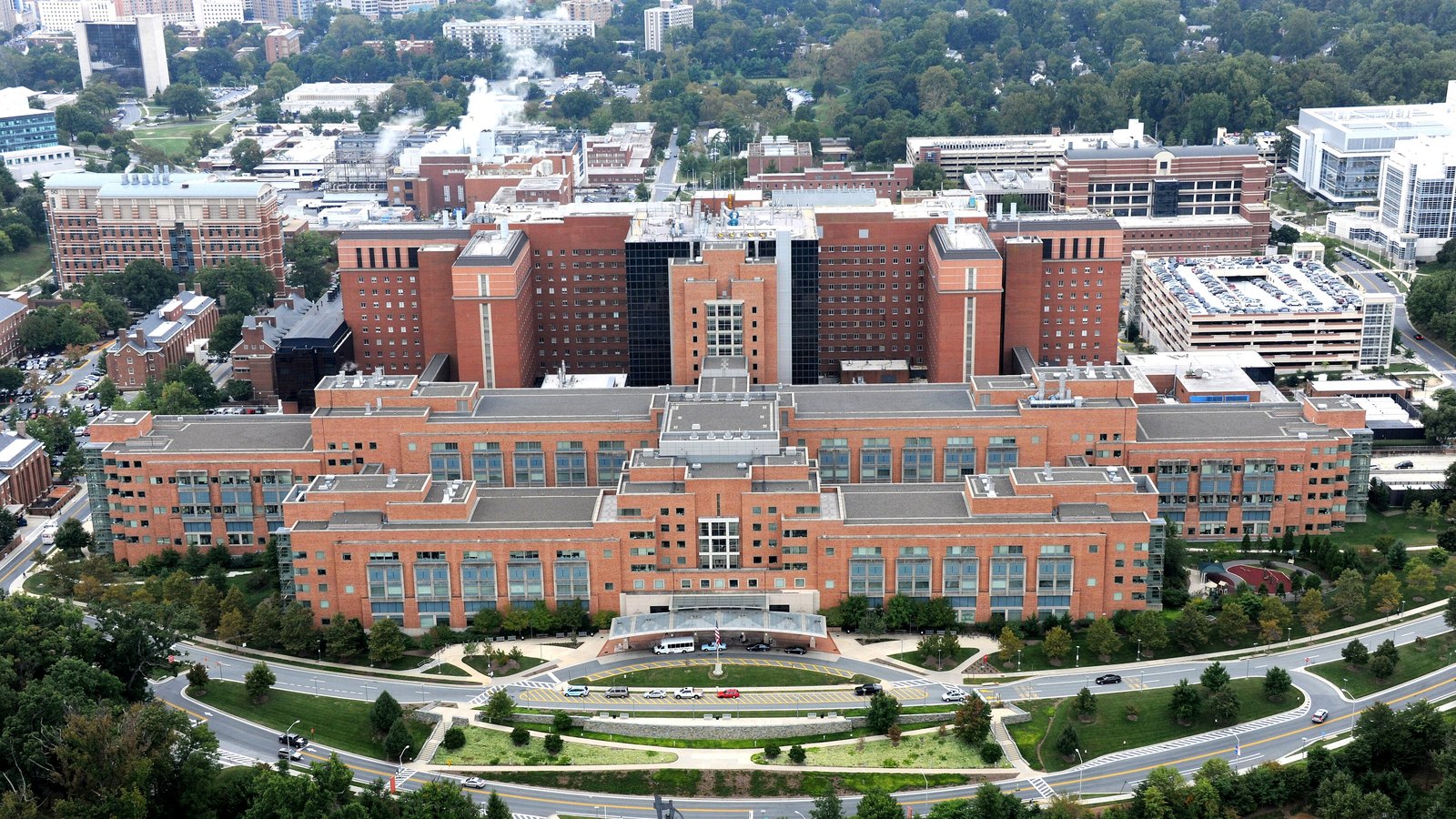
The National Institutes of Health has scheduled the winter meeting of the National Advisory Dental and Craniofacial Research Council for January 27, 2027, convening agency leadership and extramural experts to review funding initiatives and conduct second-level evaluations of biomedical grant applications. The virtual session establishes critical funding recommendations that directly shape extramural research portfolios across university dental schools, academic medical centers, and independent laboratories nationwide.
Council Meeting Schedule and Statutory Review Mandate
On November 24, 2026, the National Institute of Dental and Craniofacial Research (NIDCR) officially published Federal Register Notice 2026-23934 (citing 91 FR 75860), announcing the upcoming meeting of the National Advisory Dental and Craniofacial Research Council (NADCRC). The advisory panel convenes three times per fiscal year to advise the Department of Health and Human Services and the NIDCR Director on research policy, scientific priorities, and grant allocations.
The meeting is formally convened under Section 1009 of the Federal Advisory Committee Act (FACA), codified in 5 U.S. Code Section 1009, which establishes legal requirements for public announcements, open proceedings, and stakeholder access. Under federal advisory standards administered by the U.S. General Services Administration, federal agencies must ensure structured operational charters and transparent recordkeeping for advisory panels that counsel executive branch leadership.
According to the official filing, the council will meet virtually on Wednesday, January 27, 2027, originated by NIDCR administrative staff located at 31 Center Drive in Bethesda, Maryland. Dr. Latarsha J. Carithers, Acting Director of the NIDCR Division of Extramural Activities, is designated as the committee contact official for individuals requiring administrative details or reasonable accommodations.
Key Details of Open and Closed Sessions
The January 2027 council meeting follows the established federal advisory pattern, divided into an open public morning session and a confidential afternoon review session. Each portion serves distinct regulatory functions under federal grant administration standards.
The open session runs from 9:30 a.m. to 12:30 p.m. Eastern Time and will be broadcast live via the National Institutes of Health videocasting service. Participation requires no prior registration. The open agenda includes opening remarks, the comprehensive annual report of the NIDCR Director, detailed reviews of ongoing extramural programs, and concept clearances for future funding opportunities.
Following a midday recess, the council reconvenes for a closed executive session from 1:30 p.m. to 4:30 p.m. Eastern Time. The afternoon proceedings are closed to the public under statutory exemptions 5 U.S.C. 552b(c)(4) and 552b(c)(6). These legal exemptions safeguard confidential trade secrets, proprietary commercial methodologies, patentable biomedical discoveries, and personal background information concerning grant applicants, the public release of which would constitute an unwarranted invasion of personal privacy.
| Session Phase | Hours (Eastern Time) | Access Mode | Primary Agenda Items | Governing Statutory Authority |
|---|---|---|---|---|
| Open Public Session | 9:30 a.m. to 12:30 p.m. | Virtual public videocast | Director report, extramural program discussions, concept clearances | 5 U.S.C. 1009 (FACA) |
| Executive Midday Recess | 12:30 p.m. to 1:30 p.m. | Closed administrative break | Administrative transition and council executive preparation | N/A |
| Closed Review Session | 1:30 p.m. to 4:30 p.m. | Confidential (closed to public) | Second-level peer review of grant and cooperative agreement applications | 5 U.S.C. 552b(c)(4) and (c)(6) |
Two-Stage NIH Review Architecture and Advisory Governance
Federal biomedical awards operate under a mandatory two-stage review structure designed to separate scientific technical assessment from agency funding distribution. As detailed in official guidance on NIH Second Level Advisory Council Review, initial peer review is conducted by Scientific Review Groups (SRGs), or study sections. These panels of disciplinary peers examine applications exclusively on scientific and technical merit, scoring proposals and issuing summary statements under established peer review protocols.
The second stage of review is conducted by statutory advisory councils like the NADCRC. Under federal research grant rules set forth in 42 CFR Part 52, an extramural grant application cannot be funded by NIH without a formal recommendation from both the initial review group and the national advisory council. While study sections assess technical feasibility, advisory councils evaluate programmatic alignment with institute priorities, portfolio balance, and national public health needs.
The official charter documented on the NIDCR Advisory Council portal establishes that the council consists of appointed leaders in basic, translational, and clinical dental sciences, public health specialists, and patient advocacy representatives. Council members review summary statements for investigator-initiated R01 research project grants, multi-center trials, and large-scale U01 cooperative agreements, voting on programmatic concurrence en bloc while giving heightened individual scrutiny to specialized proposals.
Special Council Scrutiny and Budgetary Considerations
In addition to en bloc concurrence on evaluated applications, the advisory council executes targeted oversight across distinct categories of extramural applications. A prominent component of council responsibility is Special Council Review (SCR), which applies to well-supported investigators whose active research funding exceeds .0 million in total costs across all active awards. In these instances, the council must determine whether allocating additional research funds to a well-funded laboratory represents an exceptional scientific opportunity aligned with strategic priorities.
The council also examines grant applications that involve foreign institutions, biohazards, significant human subjects protections, or formal appeals regarding initial study section scoring. Because institute resources are constrained by annual congressional appropriations, funding decisions reflect stringent competitive standards governed by each institute internal NIH payline. For emerging faculty and quantitative researchers pursuing mentored training mechanisms such as the NIH K25 award, council concurrence represents the final procedural gate before award activation.
Concept clearances conducted during the open morning session provide vital forward intelligence for academic institutions. Council clearance is required before NIDCR can release new Notices of Funding Opportunities (NOFOs) or targeted program announcements. By approving these strategic concepts, the council authorizes NIDCR program staff to allocate discretionary funds toward emerging areas, such as craniofacial tissue regeneration, salivary diagnostics, oral microbiome dynamics, and oral health disparity reductions.
What It Means for Researchers, Universities, and Research Offices
The scheduling of the January 27, 2027 council meeting triggers critical milestones for university sponsored projects offices, academic dental departments, and principal investigators awaiting funding decisions from the autumn 2026 grant cycle. Research administrators and faculty should coordinate across several compliance and administrative fronts:
- Summary Statement and Percentile Tracking: Principal investigators whose grant applications were evaluated during October and November 2026 study sections should scrutinize their summary statements in eRA Commons. Applicants with scores near historical NIDCR funding percentiles should verify that all reviewer comments regarding human subjects, vertebrate animals, or inclusion enrollment have documented institutional responses.
- Just-in-Time Documentation Preparation: University pre-award administrators should prepare Just-in-Time (JIT) submissions, including updated other support pages, current institutional regulatory approvals (IRB and IACUC), and institutional biohazard certifications, ensuring rapid processing once council concurrence is recorded.
- Monitoring Concept Clearances for Future Grants: Academic leadership, department chairs, and grant development teams should attend or view the open videocast to identify newly approved funding initiatives. Tracking concept clearances enables institutions to assemble collaborative research teams and allocate seed funding months before formal NOFO releases.
- Special Council Review Justifications: Well-funded investigators approaching or exceeding the .0 million threshold should work closely with their institutional sponsored projects offices and assigned NIDCR program officials to ensure all supplemental programmatic justifications are thoroughly documented before the closed session convenes.
What Happens Next
The January 27, 2027 council session marks the opening of the winter grant approval cycle for NIDCR extramural funding. Following the conclusion of the closed afternoon session, council recommendations are transmitted to NIDCR leadership, who hold final legal authority over grant disbursements.
Throughout February and March 2027, the NIDCR Grants Management Branch will begin issuing formal Notices of Award (NOAs) to grantee institutions whose proposals received council concurrence and programmatic selection. Unsuccessful applicants from this round will receive official feedback allowing them to plan resubmissions or revise proposals for subsequent NIH standard submission deadlines.
The open videocast will be archived on the NIH Videocasting repository for on-demand public viewing shortly following the live stream. Following the January meeting, the National Advisory Dental and Craniofacial Research Council will convene next for its spring session in May 2027, followed by its autumn session in September 2027.
Sources
- Federal Register: National Institute of Dental and Craniofacial Research Notice of Meeting, checked 2026-11-24
- National Institute of Dental and Craniofacial Research: National Advisory Dental and Craniofacial Research Council, checked 2026-11-24
- National Institutes of Health: Second Level: Advisory Council Review, checked 2026-11-24
- Legal Information Institute: 5 U.S. Code Section 1009 – Advisory Committee Procedures, checked 2026-11-24
- U.S. General Services Administration: Federal Advisory Committee Act, checked 2026-11-24
- Electronic Code of Federal Regulations: 42 CFR Part 52 — Grants for Research Projects, checked 2026-11-24






