
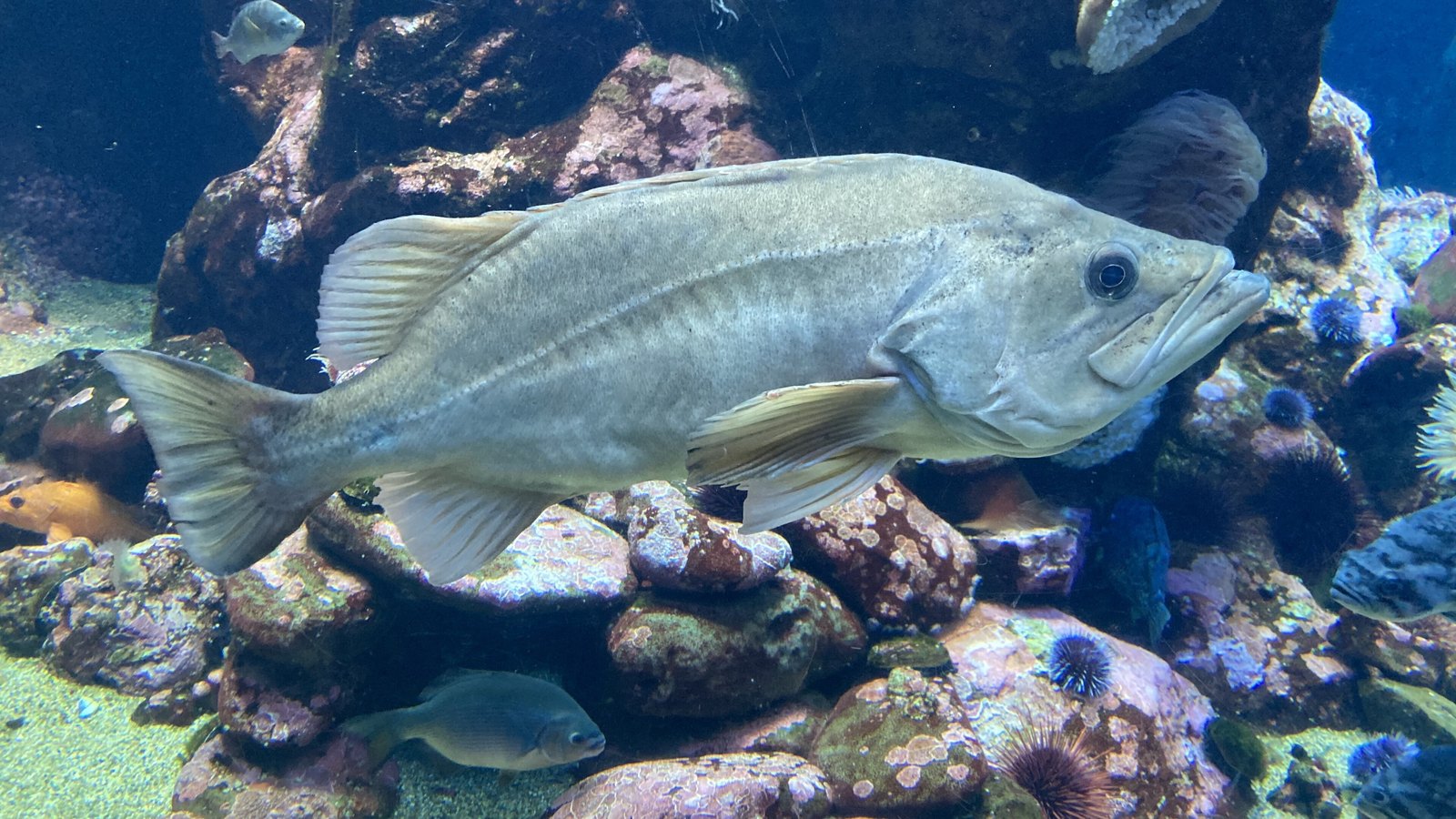
On 27 November 2026, the National Oceanic and Atmospheric Administration and National Marine Fisheries Service filed a final rule implementing Amendment 38 to the Pacific Coast Groundfish Fishery Management Plan along with 2027–2028 biennial harvest specifications, establishing annual catch limits and dedicated scientific research off-the-top catch deductions for academic and federal oceanographic research vessels operating across Washington, Oregon, and California.
Federal Final Rule Adopts Amendment 38 and Biennial Catch Limits
The action (Docket No. 261124-0011, RIN 0648-BO46, FR Doc. 2026-24262) establishes overfishing limits (OFLs), acceptable biological catches (ABCs), and annual catch limits (ACLs) for more than 90 marine fish stocks and stock complexes managed under the Magnuson-Stevens Fishery Conservation and Management Act. Scheduled for official publication in the Federal Register on 30 November 2026, the regulation takes effect on 1 January 2027 across the United States Exclusive Economic Zone off the Pacific Coast.
Central to the action is Amendment 38, which formally removes rebuilding plan mandates for yelloweye rockfish (Sebastes ruberrimus) and the California stock of quillback rockfish (Sebastes maliger). Both populations have officially recovered past statutory rebuilding thresholds following decades of conservation measures, restricted trip limits, and recreational area closures. Groundfish stocks across the Pacific rim encompass flatfish, roundfish, skates, sharks, and deep-water rockfish catalogued in the NOAA Fisheries West Coast groundfish management portfolio.
The rule also adjusts spatial management measures and depth-based gear restrictions that apply jointly to groundfish fleets and the Pacific halibut fishery, harmonizing closed areas and Rockfish Conservation Area boundaries to minimize regulatory discards.
2027–2028 Harvest Specifications, Quota Adjustments, and Rebuilding Removals
Harvest specifications for the 2027–2028 biennium incorporate revised biomass projections and alternative harvest control rules adopted for select species. The Pacific Fishery Management Council recommended departing from default harvest control formulas for six stocks: canary rockfish, petrale sole, rougheye and blackspotted rockfish, shortspine thornyhead, widow rockfish, and northern yellowtail rockfish.
For yelloweye rockfish, the coastwide ACL increases by 99.6 percent, rising from 56.6 metric tons in 2026 to 113 metric tons in 2027. California quillback rockfish experiences an even larger adjustment, with its California ACL expanding from 1.5 metric tons to 12 metric tons—a 700 percent increase that reflects updated spatial models and verified local recovery. Conversely, precautionary reductions were enacted for sablefish (Anoplopoma fimbria, commonly known as blackcod) following assessment models indicating lower recruitment, leading to a 59.8 percent cut in catch limits across northern and southern management areas.
The following table outlines catch limit comparisons between the 2026 baseline and the newly enacted 2027 specifications across primary indicator stocks:
| Species / Stock | Management Area | 2026 ACL (mt) | 2027 ACL (mt) | Difference (%) | Management Designation |
|---|---|---|---|---|---|
| Yelloweye Rockfish | Coastwide | 56.6 | 113.0 | +99.6% | Rebuilding plan lifted (Amendment 38) |
| California Quillback Rockfish | California | 1.5 | 12.0 | +700.0% | Rebuilding plan lifted (Amendment 38) |
| Bocaccio | South of 40°10′ N lat. | 1,668 | 2,288 | +37.2% | Healthy stock trajectory; expanding quota |
| Chilipepper Rockfish | South of 40°10′ N lat. | 2,623 | 2,986 | +13.8% | Default harvest control rule maintained |
| Petrale Sole | Coastwide | 2,489 | 2,489 | 0.0% | Constant ABC/ACL stabilization target |
| Sablefish (Northern) | North of 36° N lat. | 27,238 | 10,962 | -59.8% | Precautionary reduction on biomass trends |
| Sablefish (Southern) | South of 36° N lat. | 7,460 | 3,002 | -59.8% | Precautionary reduction on biomass trends |
| English Sole | Coastwide | 8,819 | 3,168 | -64.1% | Assessment adjustment to MSY target |
| Widow Rockfish | Coastwide | 10,392 | 6,238 | -40.0% | SSC proxy reduction applied |
| Rougheye / Blackspotted Rockfish | North of 40°10′ N lat. | 183 | 294 | +60.7% | Targeted complex realignment (300 mt ACL) |
Two Decades of Stock Rebuilding and Multi-Year Assessment Cycles
The rebuilding of Pacific groundfish represents one of the most sustained regulatory turnarounds in modern fishery science. In the early 2000s, federal authorities declared nine Pacific groundfish species overfished, prompting large-scale Rockfish Conservation Areas that closed thousands of square miles of the continental shelf to bottom contact gear. Recovery timelines for long-lived Sebastes species were initially projected to span well past 2050 due to late maturity and low natural mortality rates.
Rigorous population assessment models, developed with university marine labs and the Northwest Fisheries Science Center, combined biennial bottom trawl surveys with hook-and-line indices to track recovery. Benthic habitat classifications detailed through studies in marine geology helped identify essential fish habitats and rocky reef complexes critical for juvenile rockfish recruitment. Biometricians applied statistical corrections to mitigate sampling bias in untrawlable rocky terrain, using autonomous underwater vehicles and drop cameras to verify adult densities.
Statutory implementation under the federal code, codified in 50 CFR Part 660, dictates that when a stock reaches its biomass target associated with maximum sustainable yield (B40%), formal rebuilding constraints are terminated. Amendment 38 completes this milestone for both yelloweye rockfish and California quillback rockfish.
Agency and Maritime Stakeholder Assessments of Quota Realignments
State fishery managers and maritime trade associations have voiced strong support for the recovery milestones while preparing for the operational impact of sablefish quota reductions. Detail published by the Oregon Department of Fish and Wildlife on yelloweye recovery highlighted that strict retention bans and descending device mandates dramatically reduced discard mortality, allowing biomass to rebuild ahead of original schedules.
Industry response has underscored the economic relief that reopened shelf depths provide to commercial fishermen who previously faced premature season shutdowns due to yelloweye bycatch encounters. Coverage in National Fisherman reporting on West Coast rockfish reopenings documented that restored shelf access alleviates pressure on coastal communities, even as the 60 percent contraction in sablefish allocations forces fixed-gear and trawl operators to adjust landing schedules.
Federal managers emphasized that accountability measures remain foundational. To ensure catch tracking remains robust without impeding commercial harvest, NMFS is implementing new recreational Annual Catch Targets (ACTs) for vermilion and sunset rockfish south of 40°10′ N latitude, California quillback rockfish, and southern lingcod.
Implications for Oceanographic Research Vessels, Permitting, and Data Governance
For academic oceanographic institutions, university marine laboratories, and research consortia operating off the Pacific Coast, the final rule directly governs scientific catch allowances. Under the federal allocation framework, NMFS establishes off-the-top deductions from total ACLs prior to allocating quotas between commercial and tribal sectors. These off-the-top reserves provide legal mortality allowances for scientific research activities, state survey sampling, and non-groundfish incidental bycatch.
Research offices and principal investigators conducting maritime field studies must adhere to specific compliance steps:
- Scientific Research Permits and Exempted Fishing Permits: Academic institutions deploying research charters, bottom trawls, benthic dredges, or longline gear that may capture groundfish must ensure cruises operate under valid Scientific Research Permits or Letters of Acknowledgment issued pursuant to 50 CFR 600.745 and 50 CFR 660. Catch accounting must be pre-cleared with NMFS West Coast Region to verify cruise mortality falls within authorized research deductions.
- Interaction Protocols for Protected Species: Marine research cruises must comply with observer protocols, gear-marking standards, and deterrence guidelines outlined in CASRAI reference guides on protected species frameworks, ensuring sampling operations minimize interactions with ESA-listed salmonids, green sturgeon, and marine mammals.
- Instrumentation and Cooperative Grants: Marine technology labs developing electronic monitoring, underwater optical sensors, and selective bycatch-reduction gears can align development proposals with federal maritime research funding tracks, including awards under the NOAA SBIR program for advanced fisheries sensing.
- Data Governance and Open Repositories: Catch, length-frequency, and environmental data gathered during federally permitted research activities must be archived and submitted in standardized formats compatible with the Pacific Fishery Management Council Stock Assessment and Fishery Evaluation repository.
Implementation Milestones, Permitting Deadlines, and Effective Dates
The regulatory mandates, harvest specifications, and management adjustments finalized in this action follow a defined implementation calendar:
- 30 November 2026: Formal publication of the final rule in the Federal Register (FR Doc. 2026-24262), making codified amendatory instructions publicly accessible.
- 15 December 2026: Academic research institutions planning winter and spring cruises must submit 2027 scientific research cruise plans and EFP requests to NMFS West Coast Region to secure off-the-top research deduction allocations.
- 1 January 2027: Official effective date for Amendment 38 and 2027–2028 biennial harvest specifications. Revised ACLs, trip limits, recreational bag limits, and updated Rockfish Conservation Area boundaries take legal effect across all federal waters off Washington, Oregon, and California.
- June 2027: The Pacific Fishery Management Council convenes its mid-year groundfish session to review early in-season catch monitoring data and evaluate research survey catches.
- 1 January 2028: Implementation of second-year biennial specifications, including planned phase-in adjustments for northern yellowtail rockfish and updated annual catch targets.
Sources
- Office of the Federal Register: Fisheries Off West Coast States; Pacific Coast Groundfish Fishery; Amendment 38; 2027–28 Biennial Specifications and Management Measures (FR Doc. 2026-24262), checked 2026-11-27
- NOAA Fisheries: West Coast Groundfish Species Management and Science Overview, checked 2026-11-27
- NOAA Fisheries: Northwest Fisheries Science Center Research and Stock Assessments, checked 2026-11-27
- Electronic Code of Federal Regulations: Title 50, Chapter VI, Part 660 — Fisheries Off West Coast States, checked 2026-11-27
- National Fisherman: Oregon yelloweye rockfish fishery to reopen after 25-year closure, checked 2026-11-27
- Oregon Department of Fish and Wildlife: Yelloweye Rockfish Declared Recovered, checked 2026-11-27






