
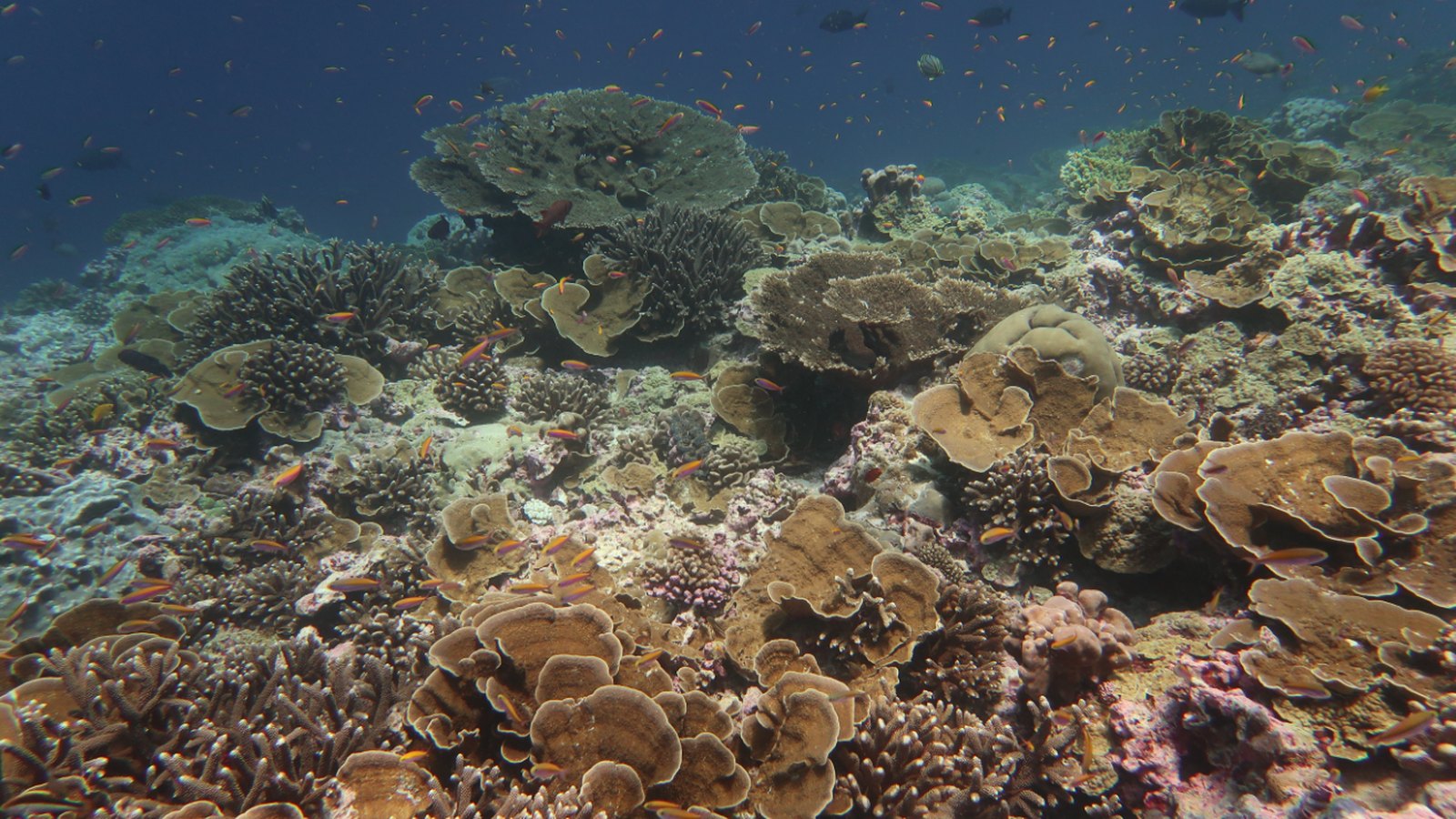
On November 20, 2026, the National Oceanic and Atmospheric Administration approved three-year Marine Conservation Plans for the Pacific Remote Island Areas and the Northern Mariana Islands under a formal notice of agency decision, unlocking Western Pacific Sustainable Fisheries Fund disbursements for university researchers, marine stations, and sponsored project offices conducting pelagic stock assessments, ecosystem monitoring, and conservation science.
NOAA Approves Three-Year Marine Conservation Plans for Pacific Territories
The National Marine Fisheries Service, an operating agency of NOAA within the Department of Commerce, issued companion decisions approving Marine Conservation Plans for United States Pacific Insular Areas. The primary approval establishes conservation objectives for the Pacific Remote Island Areas—Baker Island, Howland Island, Jarvis Island, Johnston Atoll, Kingman Reef, Midway Island, Palmyra Atoll, and Wake Island—as well as associated research goals for the Hawaii Archipelago. Concurrently, NMFS approved the Marine Conservation Plan for the Commonwealth of the Northern Mariana Islands, covering fisheries data collection, offshore monitoring, and coastal enforcement infrastructure across the Mariana Archipelago.
Both approvals take retrospective administrative effect from August 4, 2026, and run through August 3, 2029. Under Section 204(e) of the Magnuson-Stevens Fishery Conservation and Management Act, an approved plan is the mandatory legal prerequisite for expending monies deposited into the Western Pacific Sustainable Fisheries Fund. The decisions follow draft submissions formulated by the Western Pacific Regional Fishery Management Council during its 206th session in March 2026, and gubernatorial transmission from the Northern Mariana Islands in May 2026. Acting Director Shannon Bettridge of the NMFS Office of Sustainable Fisheries certified that both submissions satisfy federal conservation standards.
Key Programmatic Priorities, Statutory Mechanics, and Project Allocations
The approved plans define conservation objectives, project criteria, and funding streams across the Western Pacific. Capital flowing into the Western Pacific Sustainable Fisheries Fund originates from multiple statutory channels, including foreign fishing agreements, fisheries enforcement penalties, asset forfeitures, and territorial catch-limit allocation agreements established under 50 CFR Part 665 regulations. Under these rules, territories may allocate portions of their pelagic bigeye tuna limits to eligible longline vessels, with resulting concession fees dedicated exclusively to approved conservation plan projects.
The plans align specific scientific tasks with the regional Fishery Ecosystem Plans maintained by the Council. For research institutions, the approvals authorize cooperative research awards, technical subcontracts, and biological sampling initiatives.
| Jurisdiction | Governing Fishery Ecosystem Plan | Effective Period | Core Research and Management Objectives | Funding Mechanism |
|---|---|---|---|---|
| Pacific Remote Island Areas (PRIA) | PRIA FEP and Pelagic FEP | August 4, 2026 – August 3, 2029 | Ecosystem monitoring, stock assessment, bycatch mitigation, surveillance technology, community demonstration projects | Western Pacific Sustainable Fisheries Fund |
| State of Hawaii (PRIA Contingent) | Hawaii Archipelago FEP | August 4, 2026 – August 3, 2029 | Habitat impact research, climate change adaptation, protected species interaction reduction, traditional cultural fishing | Surplus Western Pacific Sustainable Fisheries Fund |
| Northern Mariana Islands (CNMI) | Mariana Archipelago FEP | August 4, 2026 – August 3, 2029 | Catch reporting databases, offshore acoustic surveys, enforcement officer training, fisheries operations facility construction | Territorial Treasury and Sustainable Fisheries Fund |
In the Pacific Remote Island Areas, five primary objectives direct funding toward ecosystem science, ocean literacy, multilateral pelagic cooperation, electronic monitoring, and indigenous community demonstration projects. In Hawaii, seven secondary objectives activate when surplus balances exist in the fund. In the Northern Mariana Islands, the plan articulates eight distinct objectives, including developing a centralized fisheries facility to house survey craft and field research laboratories.
Background, Legislative Architecture, and Triennial Renewal Cycles
The statutory mechanism governing Pacific Insular Area marine conservation derives from amendments to the Magnuson-Stevens Act. Congress recognized that remote island territories possess vast Exclusive Economic Zones but lack the local tax base necessary to sustain costly oceanographic observation and stock assessment surveys. Section 204(e) allows Pacific territories to capture revenue from offshore fisheries arrangements and channel those funds directly into marine science and local stewardship.
Marine Conservation Plans operate on strict triennial cycles. The newly approved Pacific Remote Island Areas plan supersedes the previous cycle that governed from August 4, 2023, through August 3, 2026, pursuant to agency approval at 88 FR 34131. The Northern Mariana Islands plan supersedes the prior framework published at 88 FR 39831. While earlier iterations emphasized baseline catch documentation, the 2026–2029 plans prioritize climate adaptation modeling, automated acoustic monitoring, and direct integration with federal observing networks.
Administrative records in NOAA Fisheries action files document that Western Pacific fishing agreements have supported dozens of marine science projects over the past decade, including yellowfin and bigeye tuna life-history studies, turtle-excluder gear designs, and coral calcification monitoring across the central Pacific Ocean.
Agency Determinations, Regional Council Findings, and Scientific Priorities
In issuing the approval notices, NMFS determined that each plan complies fully with statutory conservation requirements and supports regional Fishery Ecosystem Plan mandates. Council leadership affirmed that multi-year funding authorizations are critical for sustaining long-term ecological data collections in remote atolls where vessel charters require advance financial commitments.
Regional fisheries scientists and resource managers in Saipan and Honolulu emphasized that without approved plans, statutory revenue from fishing penalties and territorial allocation agreements cannot be legally disbursed. The approvals clear accumulated balances for university subawards and marine research apprenticeships, targeting stock assessment data gaps highlighted by international regional fisheries management organizations.
Implications for Marine Science Researchers and Sponsored Project Offices
The approval of the 2026–2029 conservation plans establishes clear administrative pathways for academic researchers and university sponsored project offices. Faculty conducting research in oceanography, fisheries biology, and marine ecology across the Western Pacific can expect competitive funding announcements through the Council and regional NOAA initiatives. Proposal teams must navigate several key federal compliance standards.
Awards funded via the Western Pacific Sustainable Fisheries Fund follow federal grant requirements under the Uniform Guidance (2 CFR 200). When projects are structured as a cooperative agreement, university administrators must anticipate substantial involvement from NMFS technical officers, including coordinated research vessel schedules and collaborative analysis protocols. Sponsored program staff must also verify institutional facilities and administrative cost calculations against any applicable federal funding opportunity restrictions.
In addition, investigators collecting biological samples or oceanographic data must establish robust data management plans complying with NOAA Public Access to Research Results standards, ensuring data ingestion into national archives. Finally, university offices must observe standard federal grant closeout requirements, submitting final technical deliverables and equipment property reports within the mandatory 120-day closeout period.
Operational Timeline, Grant Implementation, and Project Milestones
With formal approvals active through August 3, 2029, NMFS and the Western Pacific Council are moving forward with programmatic implementation:
- December 2026: Council staff finalize annual project schedules and reconcile Sustainable Fisheries Fund balances from territorial fishing agreements.
- First Quarter 2027: Release of competitive funding solicitations for priority initiatives, including pelagic tagging studies and coral calcification surveys.
- May 2027: Review and selection of academic research proposals by Council advisory bodies and NMFS evaluators.
- August 2027: Obligation and award of cooperative research agreements for the 2027–2028 field campaign.
- March 2028: Mid-term programmatic review during the 210th meeting of the Western Pacific Council.
- August 3, 2029: Expiration of the current three-year Marine Conservation Plans, requiring renewal submissions by May 2029.
Sources
- Federal Register: Federal Register :: Pacific Island Fisheries; Marine Conservation Plan for Pacific Insular Areas Other Than American Samoa, Guam, and the Northern Mariana Islands; Western Pacific Sustainable Fisheries Fund, checked 2026-11-27
- Federal Register: Federal Register :: Pacific Island Fisheries; Marine Conservation Plan for the Pacific Insular Area for the Commonwealth of the Northern Mariana Islands; Western Pacific Sustainable Fisheries Fund, checked 2026-11-27
- Western Pacific Regional Fishery Management Council: Fishery Ecosystem Plans + Amendments – Western Pacific Fishery Council, checked 2026-11-27
- Electronic Code of Federal Regulations: eCFR :: 50 CFR Part 665 — Fisheries in the Western Pacific, checked 2026-11-27
- NOAA Fisheries: Marine Conservation Plan for the Commonwealth of the Northern Mariana Islands | NOAA Fisheries, checked 2026-11-27






