
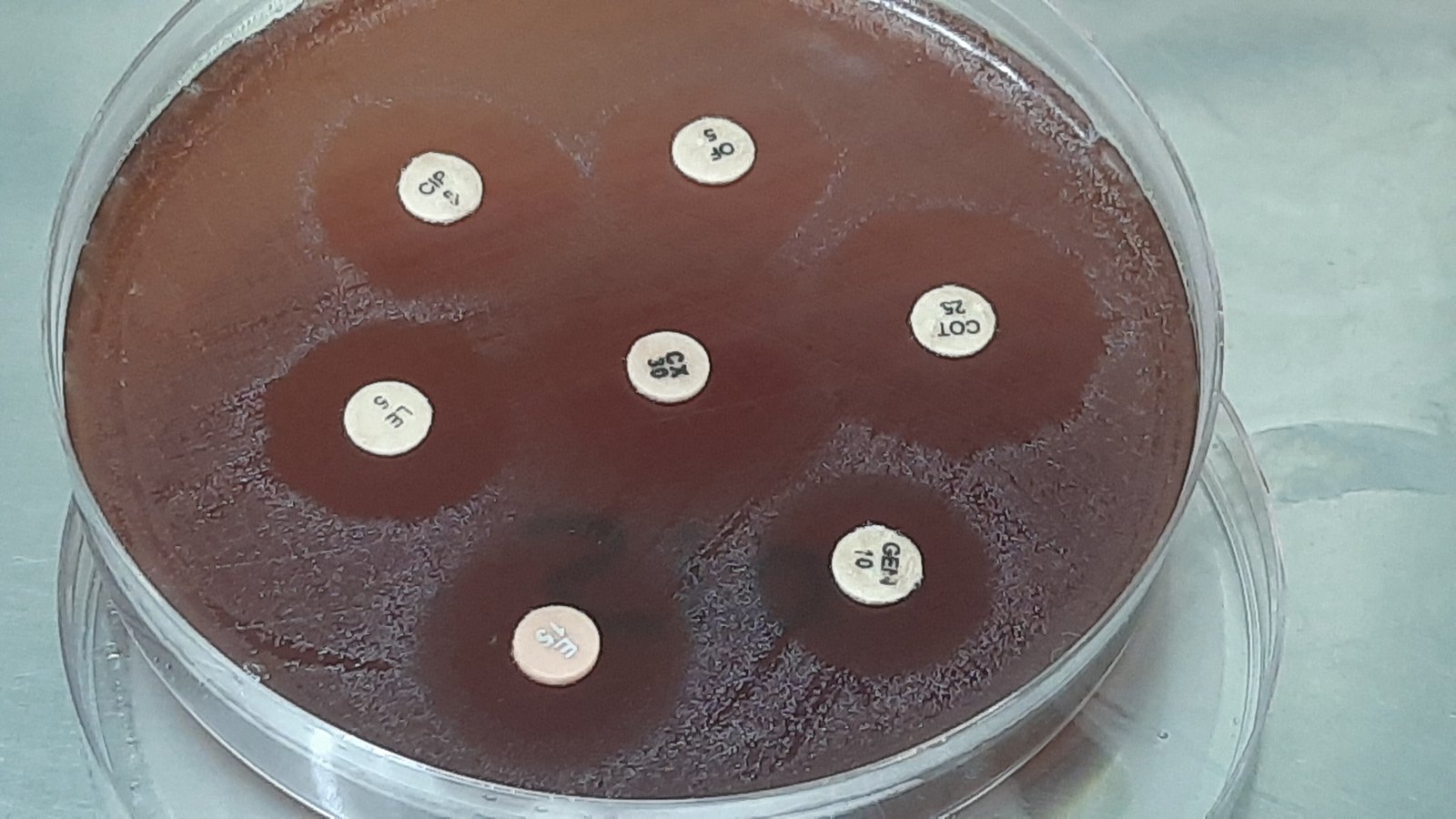
The World Health Organization (WHO) and Pakistan’s National Institute of Health (NIH) have issued a joint warning that antimicrobial resistance (AMR) is linked to over 200,000 deaths annually in Pakistan, underscoring the urgent need for a coordinated “One Health” approach to antibiotic stewardship across human, animal, and environmental sectors. This significant public health crisis, fueled by widespread antibiotic misuse and systemic infrastructure challenges, demands immediate attention from research institutions, regulatory bodies, and academic partners focused on global health security and surveillance.
What happened
The latest reporting highlights the staggering scale of AMR-related mortality in Pakistan, with approximately 40,000 deaths directly attributable to antibiotic-resistant infections and over 160,000 additional deaths associated with AMR complications. The joint announcement from the WHO and Pakistan’s NIH emphasizes that current trends—driven by the irrational use of antibiotics in clinical practice, unchecked over-the-counter availability, and high usage rates in agricultural settings—are rapidly outpacing existing control measures. These data points provide a critical update on the local burden of AMR, a core topic in global health policy and research surveillance.
Key details
Antimicrobial resistance occurs when bacteria, viruses, fungi, and parasites evolve over time, rendering standard treatments ineffective and making infections increasingly difficult or impossible to treat. The crisis in Pakistan is multifaceted, with health authorities identifying several primary drivers:
- Regulatory Gaps: The absence of strict enforcement regarding over-the-counter antibiotic sales remains a major contributor to misuse.
- Clinical Prescribing Practices: Rationalizing antibiotic prescribing in hospitals and primary care settings is a priority area for improvement.
- Environmental and Agricultural Impact: Significant antibiotic usage in livestock and aquaculture, coupled with agricultural runoff into water supplies, creates resistance reservoirs that directly impact human health.
- Infection Control: Challenges in maintaining rigorous infection prevention and control (IPC) standards in healthcare settings further amplify transmission rates.
Background and context
AMR is recognized as one of the top ten global public health threats facing humanity. Pakistan’s situation reflects broader regional and global challenges in implementing effective surveillance programs. Efforts to combat AMR have previously relied on disparate initiatives; however, health agencies are increasingly pivoting toward a unified One Health approach, which recognizes that the health of people is closely connected to the health of animals and our shared environment.
This warning builds upon years of research and monitoring activities aimed at establishing robust baseline data for AMR in low- and middle-income countries. Previous reports from international health organizations have underscored that without coordinated action, AMR could lead to a future where common infections and minor injuries become lethal once again.
Reaction
Health officials from the WHO and NIH stress that addressing AMR is not just a clinical responsibility but an environmental and regulatory imperative. “If we misuse or overuse antibiotics today, they won’t protect us tomorrow,” officials noted, urging stakeholders across all levels of society—from agricultural producers to policymakers—to prioritize rational antibiotic use.
Partners in this effort, including the Food and Agriculture Organization (FAO) and the UK Health Security Agency (UKHSA), have supported capacity-building initiatives in Pakistan to improve diagnostic capabilities and harmonize antibiotic surveillance frameworks.
What it means for researchers, universities, and research offices
This crisis presents specific implications for the research and higher education sector, particularly for those engaged in clinical research, public health surveillance, and global health partnerships:
- Clinical Trial Standards: Researchers conducting clinical trials in high-burden regions must ensure rigorous AMR surveillance and IPC protocols to protect study participants and ensure data integrity.
- Research Security and Data Ethics: Collaborative projects between international and local institutions must prioritize secure data management and clear governance frameworks for surveillance data, ensuring compliance with both local regulations and international standards.
- Procurement and Compliance: University health systems and associated teaching hospitals should audit procurement processes to ensure adherence to rational antibiotic use policies and strengthen institutional IPC training programs.
- Surveillance Research: Academic institutions are well-positioned to contribute to this crisis by scaling up environmental and molecular surveillance research, mapping the transmission dynamics of resistant pathogens, and evaluating intervention efficacy in community settings.
What happens next
Moving forward, the focus shifts to translating these warnings into actionable policy and practice. Health agencies are calling for enhanced data collection capabilities, more stringent regulation of veterinary medicine usage, and sustained public awareness campaigns to prevent antibiotic misuse. Research administrators should anticipate new funding opportunities and collaborative frameworks specifically targeting One Health-integrated AMR surveillance in Pakistan and the broader region.
Sources
- World Health Organization (WHO): Joint warning on AMR in Pakistan, accessed 2026-11-18.
- Pak Observer: Reports on joint AMR prevention initiative, accessed 2026-11-18.
- WHO and NIH Pakistan: Official statements and surveillance reports on AMR misuse, accessed 2026-11-18.


