
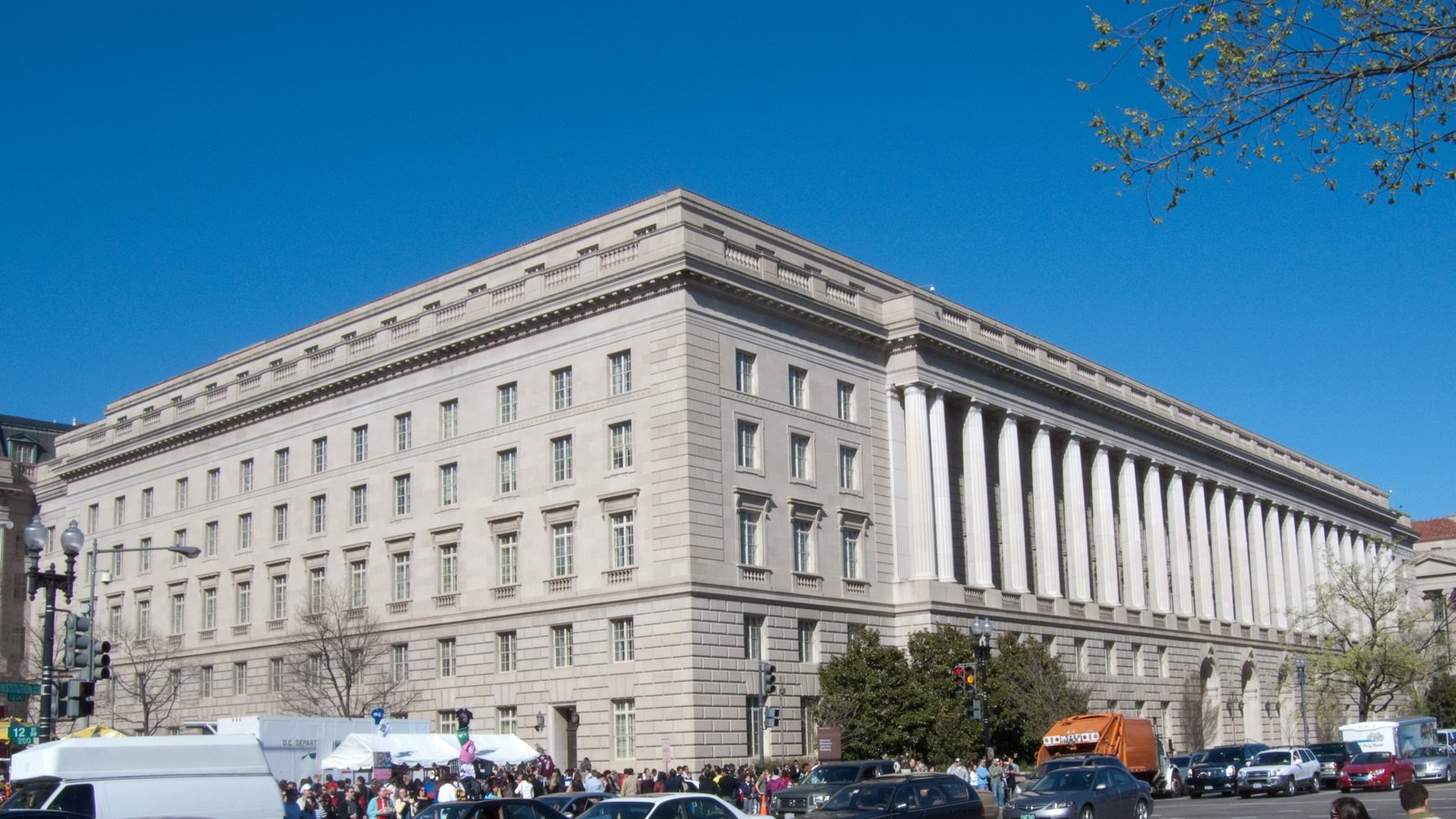
Following earlier IRS notices covering retirement plan electronic notices, the Internal Revenue Service and the US Department of the Treasury on November 23, 2026, issued Federal Register Notice 2026-23782 opening a 60-day public comment period on extending OMB Control Number 1545-2098, which provides administrative late-filing relief under Revenue Procedure 2008-27 for foreign investment tax certifications that directly impact higher-education endowments, overseas research subsidiaries, and cross-border academic joint ventures.
What happened
On November 23, 2026, the Internal Revenue Service (IRS) and the Department of the Treasury officially published Notice 2026-23782 in the Federal Register (Volume 91, Number 224, page 75641) announcing a public comment period under the Paperwork Reduction Act of 1995 (44 U.S.C. 3506(c)(2)(A)). The notice invites written comments on the proposed three-year extension of OMB Control Number 1545-2098, titled “Late Filing of Certification or Notices.” This regulatory project maintains the administrative relief rules originally established in Revenue Procedure 2008-27 (Rev. Proc. 2008-27).
The collection supports enforcement of Sections 897 and 1445 of the Internal Revenue Code (IRC), known as the Foreign Investment in Real Property Tax Act of 1980 (FIRPTA). When a foreign entity disposes of a United States Real Property Interest (USRPI), statutory rules impose mandatory gross withholding taxes unless statutory exemptions are certified. Rev. Proc. 2008-27 provides an administrative mechanism for taxpayers who failed to timely submit required certifications or notices to petition for relief based on reasonable cause, avoiding severe withholding penalties. Treasury and the IRS are soliciting comments on whether the collection maintains practical utility, whether burden estimates remain accurate, and whether digital filing channels could reduce taxpayer workload.
Public comments must be received on or before January 22, 2027. Written submissions are directed to Andres Garcia at the IRS National Office in Washington, DC, with administrative inquiries handled by Tax Analyst LaNita Van Dyke.
Key details and paperwork reduction act burden metrics
OMB Control Number 1545-2098 covers specific regulatory filings under Title 26 of the Code of Federal Regulations. The relief procedure applies to late statements certifying that a domestic corporation is not a US Real Property Holding Corporation under 26 CFR 1.897-2(g)(1)(ii)(A), late corporate notices to the IRS under 26 CFR 1.897-2(h)(2), late nonrecognition notices under 26 CFR 1.1445-2(d)(2), and entity distribution statements under 26 CFR 1.1445-5(b)(2) and 1.1445-5(b)(4). These exemptions operate alongside standard 26 CFR 1.1445-2 withholding exceptions codified in federal rules.
The notice outlines the following administrative metrics for the renewal cycle:
| Parameter | Regulatory Provision | Administrative Detail |
|---|---|---|
| Federal Notice Citation | FR Doc. 2026-23782 (Vol. 91, No. 224, p. 75641) | Official comment request published November 23, 2026 |
| Issuing Agencies | Department of the Treasury / Internal Revenue Service | Cross-border tax administration and regulatory compliance |
| Comment Window Deadline | January 22, 2027 | 60-day open review period |
| OMB Control Number | 1545-2098 | Late Filing of Certification or Notices |
| Regulatory Project | Revenue Procedure 2008-27 (2008-21 I.R.B. 1014) | Simplified reasonable-cause relief procedure |
| Statutory Scope | IRC Section 897 and Section 1445 (FIRPTA) | Taxation on foreign investments in US real property |
| Covered Regulations | 26 CFR 1.897-2 and 26 CFR 1.1445 | Corporate status notices and nonrecognition statements |
| Affected Public | Businesses, for-profit entities, trusts, institutions | Entities conducting real property transfers with foreign investors |
| Annual Respondents | 250 responses | Estimated annual relief applications submitted |
| Burden Per Response | 4.0 hours | Time required to compile records and draft reasonable cause petition |
| Total Annual Burden | 1,000 burden hours | Total industry paperwork allocation |
| Review Classification | Extension without change | Three-year renewal of approved collection |
The estimated 4.0 hours per response reflects time needed for legal counsel and tax managers to reconstruct transaction timelines, compile transfer notices, draft the explanatory reasonable-cause statement, and execute perjury declarations.
Background and context of Rev. Proc. 2008-27 relief
Congress enacted FIRPTA in 1980 to ensure foreign investors pay US tax on real property gains. To guarantee collection, Congress enacted 26 U.S. Code § 1445, imposing a 15 percent gross withholding tax on property purchases from foreign persons, as explained in published FIRPTA withholding rules.
A major safe harbor permits buyers to waive withholding if a domestic corporation certifies that it is not a United States Real Property Holding Corporation (USRPHC). However, Treasury Regulation § 1.897-2(h)(2) requires the corporation to submit a notice of this determination to the IRS within 30 days of issuing the certificate. Before 2008, missing this 30-day deadline voided the exemption, exposing buyers to secondary liability for unwithheld taxes unless they secured an expensive Private Letter Ruling (PLR) under Treasury Regulation § 301.9100-3, which carried user fees exceeding tens of thousands of dollars.
To resolve this burden, the IRS issued Revenue Procedure 2008-27 in Internal Revenue Bulletin 2008-21. As analyzed by The Tax Adviser from the American Institute of CPAs, the procedure eliminated user fees and introduced an administrative remedy: taxpayers mail late filings marked “FILED PURSUANT TO REV. PROC. 2008-27” with a signed reasonable-cause explanation to the IRS Ogden Service Center. If the IRS does not notify the taxpayer within 120 days, relief is deemed granted automatically.
Reaction and institutional perspective
Tax professionals, institutional investors, and higher-education business officers view Revenue Procedure 2008-27 as an indispensable safeguard. However, practitioners note that the IRS estimate of 250 annual responses substantially understates actual transaction volumes, given the growth of cross-border real estate funds. Asset managers frequently discover missed 30-day corporate notices during audits or fund restructurings. For institutional fiduciaries, maintaining alignment with institutional research integrity and compliance standards is crucial to prevent unhedged withholding liabilities.
Commenters during the 60-day window are expected to advocate for modernizing the submission workflow. Currently, relief requests require physical mailing to the Ogden Service Center. Stakeholders recommend introducing electronic submission portals to reduce processing delays and enhance tracking transparency.
What it means for researchers, universities and research offices
FIRPTA certification rules directly impact higher-education institutions and research foundations across several operational areas:
First, university endowment investment offices manage extensive portfolios containing real estate partnerships, joint ventures, and holding corporations. Endowments routinely co-invest with foreign foundations and sovereign institutions. While domestic colleges enjoy tax exemption under IRC Section 501(c)(3), foreign educational foundations do not have automatic FIRPTA immunity. If a fund sponsor fails to file the required 30-day notice under 26 CFR 1.897-2(h)(2), foreign institutional co-investors face 15 percent gross withholding. Rev. Proc. 2008-27 provides the essential administrative remedy to cure late notices and release trapped capital.
Second, research universities with overseas research institutes or foreign subsidiaries rely on nonrecognition provisions under IRC Section 351 or 368 when reorganizing assets. Under Treasury Regulation § 1.1445-2(d)(2), withholding exemption requires submitting a nonrecognition notice within 20 days of transfer. Rev. Proc. 2008-27 permits universities to cure missed deadlines by demonstrating reasonable cause.
Third, university compliance teams must integrate FIRPTA tracking into broader institutional frameworks, including Section 117 foreign gift and contract reporting under the Higher Education Act and international subrecipient risk assessments. Ensuring research offices calendar FIRPTA notice deadlines prevents costly tax disputes.
What happens next
The public comment period for Notice 2026-23782 remains open through January 22, 2027. University finance officers, accounting bodies, and institutional investors can submit feedback to Andres Garcia at the IRS National Office in Washington, DC, or via email referencing “OMB Control No. 1545-2098.”
Following the January 22 deadline, the IRS will review comments and submit an information collection renewal request to OMB for final three-year clearance. During this review, Revenue Procedure 2008-27 remains fully operational, and institutions may continue submitting late-filing relief requests under existing procedures without interruption.
Sources
- Federal Register: Agency Information Collection Activities; Comment Request Relating to Late Filing of Certification or Notices (Notice 2026-23782), checked 2026-11-29
- Internal Revenue Service: FIRPTA Withholding, checked 2026-11-29
- Internal Revenue Service: Revenue Procedure 2008-27 (Internal Revenue Bulletin 2008-21), checked 2026-11-29
- The Tax Adviser: IRS Provides a Simplified Method for Late Filing Relief, checked 2026-11-29
- Electronic Code of Federal Regulations: 26 CFR 1.1445-2 — Situations in Which Withholding Is Not Required, checked 2026-11-29
- Legal Information Institute, Cornell Law School: 26 U.S. Code § 1445 — Withholding of Tax on Dispositions of United States Real Property Interests, checked 2026-11-29






