
The U.S. Department of Agriculture issued an official correction notice on November 27, 2026, through its Research, Education, and Economics mission area, updating application deadlines for fiscal year 2027 vacancies across the National Agricultural Research, Extension, Education, and Economics (NAREEE) Advisory Board and Citrus Disease Subcommittee. The federal advisory bodies directly shape national research grant priorities, specialty crop allocations, and extramural funding administered by the National Institute of Food and Agriculture.
Federal correction extends application deadline to December 14
The correction notice was placed on public inspection by the Office of the Federal Register on November 27, 2026, under Document Number 2026-24178, ahead of publication on November 30, 2026. Signed by Yvette Anderson, Federal Register Liaison Officer for the Agricultural Research Service, Economic Research Service, and National Institute of Food and Agriculture, the filing amends the earlier solicitation published on October 28, 2026 (91 FR 67812–67813). Under the corrected terms, USDA extended the deadline for fiscal year 2027 nominations and membership applications to close of business on Monday, December 14, 2026, for electronic submissions. Nomination packages sent by physical mail must be postmarked no later than December 14, 2026.
The notice directs prospective candidates, academic departments, and commodity organizations to review membership categories, submission forms, and required documentation hosted on the official USDA NAREEE Advisory Board membership platform. The solicitation covers vacancies across both the full parent advisory board and its specialized subcommittees, ensuring balanced representation across production agriculture, academic research institutions, cooperative extension services, and agricultural economics disciplines.
Governance structure, statutory seats, and application criteria
The advisory framework operates across distinct statutory mandates created by Congress to ensure agricultural research funding addresses both broad national priorities and acute commodity emergencies. The NAREEE Advisory Board counsels the Secretary of Agriculture and land-grant colleges and universities on research, extension, education, and economics policies. Concurrently, the Citrus Disease Subcommittee functions under the Specialty Crop Research Initiative to provide operational guidance on disease containment and eradication grants.
To qualify for appointment, candidates must submit a standardized application package comprising three core components: complete contact and demographic information, an executive curriculum vitae or resume limited strictly to five pages detailing professional experience and qualifications, and a completed, signed Advisory Committee Membership Background Information Form (Form AD-755). Letters of endorsement from university administrators, scholarly societies, or agricultural producer associations frequently accompany nominations to demonstrate community backing.
The following table summarizes the statutory authorities, seat compositions, and administrative parameters governing the bodies included in the updated solicitation:
| Advisory Body | Statutory Authority | Seat Allocation | Core Advisory Scope | FY 2027 Deadline |
|---|---|---|---|---|
| NAREEE Advisory Board | 7 U.S.C. § 3123 | 15 stakeholder seats representing farm groups, science societies, and universities | Advises Secretary of Agriculture and land-grant colleges on ARS, ERS, NASS, and NIFA portfolios | December 14, 2026 |
| Citrus Disease Subcommittee | 7 U.S.C. § 7632(d) | 11 producer seats (5 California/Arizona, 5 Florida, 1 Texas) | Directs Emergency Citrus Disease Research and Extension Program priorities and grant budget | December 14, 2026 |
| Specialty Crop Committee | 7 U.S.C. § 3123a | Specialty crop industry and research leaders | Guides multi-state specialty crop research initiatives and competitive program alignment | Standing statutory committee |
Legislative mandates and federal citrus disease research programs
The NAREEE Advisory Board traces its statutory roots to Title XIV of the National Agricultural Research, Extension, and Teaching Policy Act of 1977, with restructuring enacted under the Federal Agriculture Improvement and Reform Act of 1996, codified at 7 U.S.C. 3123. Under this mandate, the board provides annual written evaluations regarding public research funds, assessing whether agency plans effectively balance basic discovery with applied field solutions across USDA agencies.
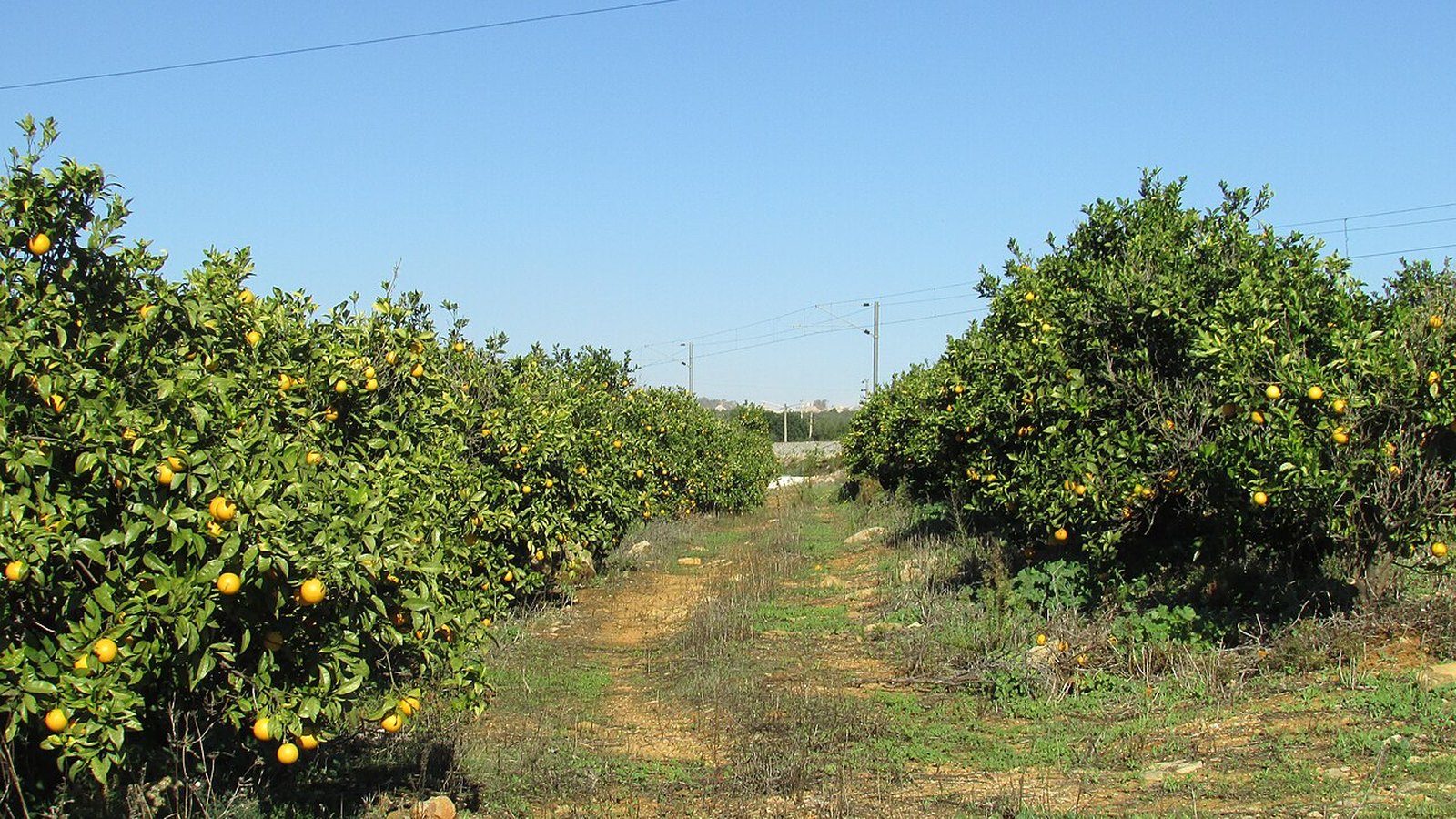
The Citrus Disease Subcommittee was established by Congress under Section 7306 of the Agricultural Act of 2014 to combat the crisis posed by Huanglongbing (HLB), commonly known as citrus greening. Caused by the bacterium Candidatus Liberibacter asiaticus and transmitted by the Asian citrus psyllid, HLB has caused catastrophic production declines across Florida, Texas, and California, reducing domestic citrus harvest volumes by more than 70 percent over two decades. The subcommittee consults annually with NIFA leadership to establish project priorities, review criteria, and grant allocations for the Emergency Citrus Disease Research and Extension Program (ECDRE).
Extramural funding guided by the subcommittee operates alongside federal capacity funds and competitive allocations administered through USDA grant programs, as detailed in USDA NIFA Grants: Competitive, Capacity and Other Funding Types. The subcommittee ensures that annual ECDRE competitive awards prioritize actionable field therapies, genetic resistance screening, and integrated pest management systems capable of preserving domestic groves.
Academic and agricultural sector engagement in federal research priorities
Public higher education institutions and agricultural experiment stations play an essential role in nominating leaders to the NAREEE Advisory Board and responding to the research priorities it establishes. The Association of Public and Land-grant Universities (APLU), through its Board on Agriculture Assembly, actively coordinates with USDA leadership to advocate for federal research appropriations and ensure advisory recommendations reflect university research needs.
University leaders, experiment station directors, and academic societies view the advisory board as a vital mechanism for aligning federal funding requests with ongoing scientific challenges. Recommendations feed directly into annual budget justifications presented to congressional appropriations committees, helping support public investments in agricultural genomics, soil health, and plant pathology. Meanwhile, regional producer organizations, including California Citrus Mutual, Florida Citrus Mutual, and Texas citrus groups, rely on the 11-member Citrus Disease Subcommittee to guarantee that competitive research solicitations remain focused on rapid, grower-deployable technologies.
What the solicitation means for agricultural researchers and university offices
For agricultural researchers, department chairs, and university sponsored program offices, the updated solicitation carries concrete operational and strategic implications across several core areas:
- Direct Institutional Participation: Eligible faculty in agronomy, plant pathology, entomology, agricultural economics, and cooperative extension have until December 14 to assemble nominations or assist regional commodity partners in securing appointments to vacant advisory seats. Seated members directly participate in shaping future federal grant solicitations.
- Anticipating Competitive Funding Priorities: Research development professionals can analyze forthcoming advisory reports to anticipate priorities in upcoming grant cycles. Principal investigators targeting competitive programs, including topics detailed in USDA NIFA AFRI: Program Areas and How to Submit, benefit from aligning pre-proposal concepts with advisory board recommendations.
- Strengthening Project Narrative Justifications: Grant proposals submitted to USDA extramural programs require robust evidence of societal and agricultural relevance. Applicants can directly cite NAREEE Advisory Board strategic goals and subcommittee priority statements when constructing proposal narratives, following conventions outlined in How to Write a USDA NIFA AFRI Project Narrative.
- Translational Alignment for Citrus Research Centers: Academic teams—including researchers at the University of Florida Citrus Research and Education Center, UC Riverside, and Texas A&M University—rely on subcommittee priority directives to benchmark field-trial designs for antimicrobial treatments, gene-editing vectors, and psyllid biocontrol systems.
- Compliance with Agricultural Open Data Mandates: Projects funded under priorities established by USDA advisory committees must comply with federal public access and data-sharing standards, requiring investigators to deposit research datasets and metadata into designated federal repositories such as the Ag Data Commons: USDA’s Repository for Agricultural Research Data.
Key dates, appointment timeline, and next procedural milestones
Following the publication of the correction notice, the USDA advisory committee selection process proceeds through several clearly defined milestones:
- December 14, 2026: Closing deadline for submission of electronic nomination packets by close of business (5:00 p.m. EST) to the NAREEE Advisory Board administrative office. Physical mail packages must be postmarked on or before this date.
- January to March 2027: The USDA Office of the Chief Scientist and mission area staff conduct candidate vetting, credential verification, and conflict-of-interest reviews under Federal Advisory Committee Act standards.
- Spring 2027: The Secretary of Agriculture issues formal appointment letters to selected board and subcommittee members for three-year staggered terms.
- Summer 2027: Seated advisory bodies convene for public stakeholder meetings to evaluate agency research budgets, review portfolio performance, and draft the annual recommendation report delivered to the Secretary of Agriculture and congressional committees.
- Fall 2027: Advisory board recommendations are integrated into the development of fiscal year 2028 agency budget requests and forthcoming competitive requests for applications across NIFA grant programs.
Sources
- Office of the Federal Register: Public Inspection: Request for Membership Application: National Agricultural Research, Extension, Education, and Economics Advisory Board and Citrus Disease Subcommittee; Correction, checked 2026-11-27
- USDA Research, Education, and Economics: Membership | National Agricultural Research, Extension, Education, and Economics Advisory Board, checked 2026-11-27
- Legal Information Institute, Cornell Law School: 7 U.S. Code § 3123 – National Agricultural Research, Extension, Education, and Economics Advisory Board, checked 2026-11-27
- Association of Public and Land-grant Universities: Board on Agriculture Assembly – APLU, checked 2026-11-27
- California Citrus Mutual: About Us – California Citrus Mutual, checked 2026-11-27






