
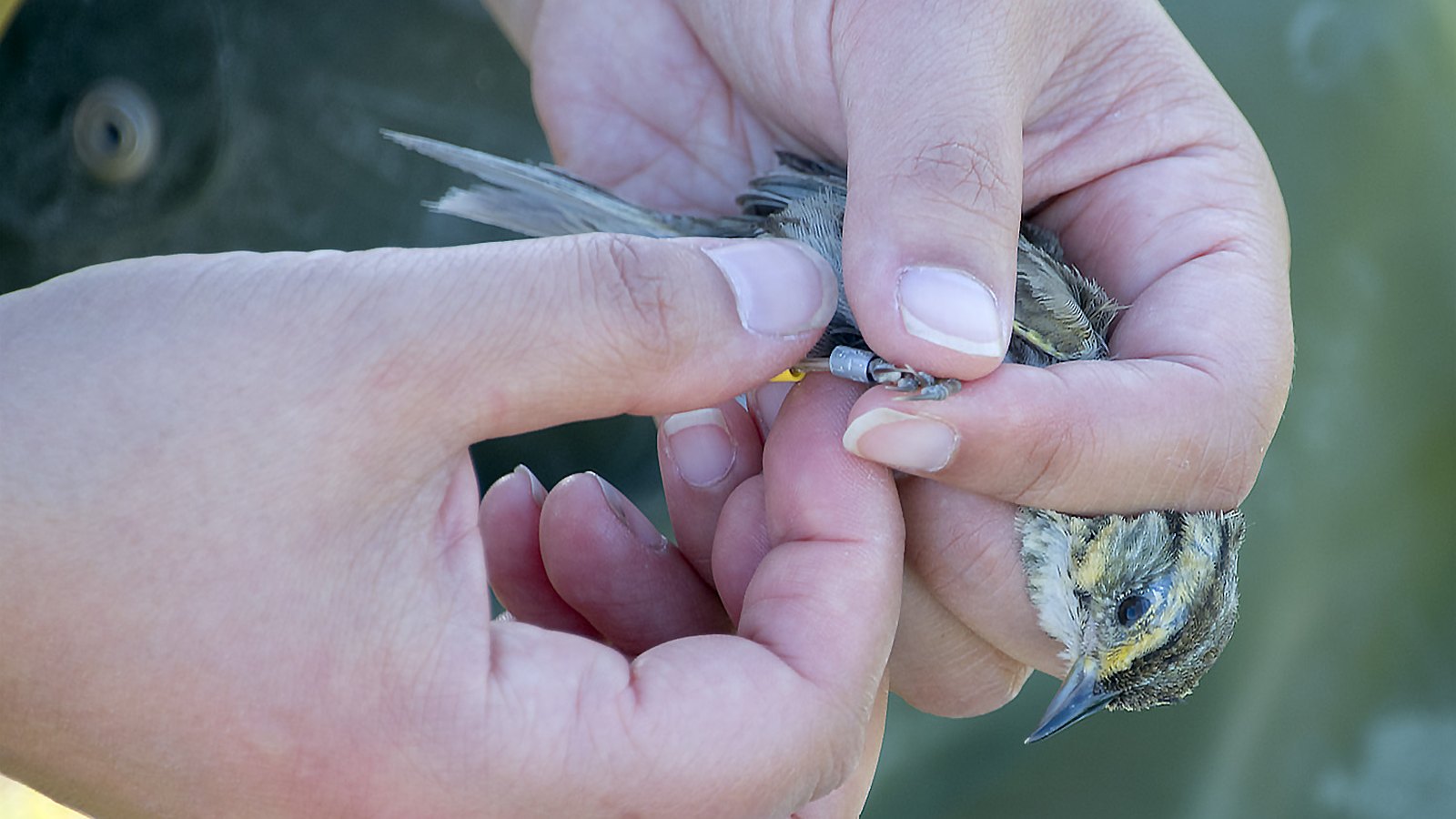
On November 23, 2026, the U.S. Fish and Wildlife Service published a notice in the Federal Register inviting public and scientific comment through December 23, 2026, on twenty scientific recovery permit applications submitted under Section 10(a)(1)(A) of the Endangered Species Act. The applications, encompassing field research across the Southeast United States, authorize scientific take including live capture, acoustic telemetry, tissue sampling, and captive propagation of imperiled wildlife and plant taxa.
Overview of the Recovery Permit Applications
The notice published under Docket Number FWS-R4-ES-2026-3863 and Document Citation 91 FR 75522 initiates a mandatory 30-day public review window. Issued by Christopher Cooley, Acting Assistant Regional Director for Ecological Services in the Southeast Region, the docket consolidates twenty applications seeking new permits, renewals, or amendments. The requests originate from research universities, state wildlife conservation agencies, botanical gardens, and ecological consulting firms across Tennessee, Kentucky, Georgia, Florida, North Carolina, South Carolina, and Arkansas.
Scientific recovery permits exempt academic investigators and field ecologists from statutory take prohibitions while conducting presence/absence surveys, evaluating wildlife population dynamics, and tracking species status under environmental pressures. Without a valid Section 10(a)(1)(A) permit, standard biological sampling methods like mist-netting bats, electrofishing in riverine ecosystems, or collecting tissue vouchers would violate federal law.
Key Research Protocols and Species Under Review
The twenty dossiers cover threatened and endangered bats, freshwater mollusks, imperiled fishes, cave crustaceans, sea turtles, shorebirds, and rare flora across southeastern river basins and coastal habitats.
The Odum School of Ecology at the University of Georgia submitted two permit packages: application ES60238B-3, requesting renewal and modifications to capture, handle, band, radio-tag, and swab for fungal pathogens gray bats (Myotis grisescens), Indiana bats (Myotis sodalis), and northern long-eared bats (Myotis septentrionalis); and application PER36136928-0, a new authorization for field research on eight imperiled freshwater fish species. In Tennessee, the Giam Lab at the University of Tennessee at Knoxville submitted application PER35026980-0 for surveys of eight listed freshwater mussel species, combining micro-habitat mapping with non-invasive genetic sampling.
Botanical and herpetological programs are also prominent. Marie Selby Botanical Gardens requested renewal ES59318D-1 to support propagation, seed banking, and reintroduction of the endangered aboriginal prickly-apple cactus (Harrisia aboriginum) in Florida. The Arkansas Game and Fish Commission submitted renewal ES66039A-3 for captive rearing and wild release of the Ozark hellbender (Cryptobranchus alleganiensis bishopi) and eight unionid mussels. Other major requests include Amanda Rosenberger’s application (PER9605390-0) covering the Chucky madtom (Noturus crypticus) and 53 freshwater mussels, and Donald Hubbs’s amendment (PER0037593-1) for 49 mussel species and 13 snail species in Tennessee.
| Applicant and Institution | Reference No. | Target Taxa | Permit Action | Authorized Research Activity |
|---|---|---|---|---|
| Odum School of Ecology, Univ. of Georgia | ES60238B-3 | Gray, Indiana, and northern long-eared bats | Renewal with changes | Mist-netting, telemetry, bioacoustic surveys, pathogen swabbing |
| Giam Lab, Univ. of Tennessee | PER35026980-0 | 8 freshwater mussel species | New permit | Presence/absence surveys, micro-habitat mapping, tissue biopsies |
| Marie Selby Botanical Gardens | ES59318D-1 | Aboriginal prickly-apple (Harrisia aboriginum) | Renewal with changes | Captive propagation, seed banking, population augmentation |
| Arkansas Game and Fish Commission | ES66039A-3 | Ozark hellbender and 8 mussel species | Renewal with changes | Artificial propagation, telemetry, wild reintroduction |
| Amanda Rosenberger | PER9605390-0 | Chucky madtom and 53 mussel species | New permit | Snorkel surveys, capture and release, non-destructive measurements |
| Donald Hubbs | PER0037593-1 | 49 freshwater mussels and 13 snail species | Amendment | Diver surveys, tag recapture, salvage relocations |
Modern ecological field studies frequently integrate molecular workflows, utilizing standardized DNA precipitation protocols to isolate high-molecular-weight genomic material from fin clips or environmental DNA filters. These non-lethal approaches confirm the distribution of elusive riverine and cave taxa without requiring specimen sacrifice.
Statutory and Regulatory Framework Under Section 10(a)(1)(A)
Scientific recovery permits derive their authority from Section 10(a)(1)(A) of the Endangered Species Act, codified at 16 U.S.C. 1539. While Section 9 strictly prohibits the take of listed endangered wildlife, Section 10 provides an administrative exemption for actions that promote the recovery, propagation, or survival of affected taxa.
Department of the Interior regulations at 50 CFR Part 17 govern permit issuance. Specifically, 50 CFR 17.22 establishes requirements for endangered wildlife, mandating that applicants prove professional qualifications, sound experimental design, and humane handling. Threatened wildlife is governed by 50 CFR 17.32, while 50 CFR 17.62 and 17.72 regulate endangered and threatened plants. While USFWS regulates terrestrial and freshwater species, marine and anadromous organisms are overseen by NOAA Fisheries endangered species conservation permits under parallel statutory mandates.
Permitting standards also reflect commitments within global environmental politics and international biodiversity conservation agreements, ensuring domestic biological take serves genuine conservation priorities rather than uncoordinated commercial exploitation.
Institutional Compliance: IACUC, Biosecurity, and Field Protocols
Federal recovery permits require tight coordination with university research compliance infrastructure. Academic investigators must secure approval from their Institutional Animal Care and Use Committee (IACUC) before initiating fieldwork. IACUC boards review handling protocols, sedation methods, sample sizes, and distress mitigation.
Field biosecurity is a core condition. Bat researchers must implement strict decontamination protocols to prevent the spread of Pseudogymnoascus destructans, the fungus causing White-Nose Syndrome. Nets, holding bags, and acoustic monitors require disinfection between sites. Aquatic teams handling amphibians like the Ozark hellbender follow comparable decontamination regimens to stop the transmission of chytrid pathogens (Batrachochytrium dendrobatidis and B. salamandrivorans). Researchers are also encouraged to deposit pre-publication findings in open repositories like EcoEvoRxiv to accelerate peer exchange.
Scientific Community and Stakeholder Perspectives
Conservation biologists emphasize that Section 10 recovery permits are essential for gathering the empirical demographic data required for federal recovery plans. Organizations including the Society for Freshwater Science note that without systematic long-term monitoring, biologists cannot evaluate whether listed populations are recovering or declining toward extinction.
Academic researchers also support the 30-day public comment process. Transparent publication of permit requests allows peer specialists to review survey methodologies, recommend less invasive handling approaches, and coordinate regional monitoring efforts across neighboring watersheds.
What It Means for Researchers and University Research Offices
Investigators and sponsored research offices should observe several critical administrative requirements:
- Authorized Personnel Lists: Permits are issued to specific principal investigators. Research offices must verify that graduate students, technicians, and field collaborators are formally designated as authorized agents under the permit before handling listed species.
- IACUC Protocol Alignment: Animal handling numbers, geographic boundaries, and procedures approved by university IACUC committees must correspond exactly to the authorized conditions in the federal permit.
- Dossier Access and Comments: Investigators interested in reviewing technical applications can request materials by emailing [email protected] with the applicant name and reference number. Substantive comments must be submitted by December 23, 2026.
- Annual Take Reporting: Permittees must log all captures, bandings, and tissue collections in annual reports submitted via the federal ePermits portal to maintain eligibility for renewals.
Next Steps and Public Comment Deadlines
The U.S. Fish and Wildlife Service will accept comments on all twenty applications through December 23, 2026. Electronic submissions must be received by 11:59 p.m. Eastern Time via the Federal eRulemaking Portal at https://www.regulations.gov under Docket No. FWS-R4-ES-2026-3863.
Written comments may also be sent by mail to Public Comments Processing, Attn: Docket No. FWS-R4-ES-2026-3863, Policy and Regulations Branch, U.S. Fish and Wildlife Service, MS: PRB (JAO/3W), 5275 Leesburg Pike, Falls Church, VA 22041-3803. The Service will not accept comments by email, fax, or hand delivery.
Following the review period, USFWS will evaluate public and scientific feedback before issuing final permits. Under 50 CFR 17.22(d), parties opposing an issuance may submit formal objections. Notice of final permit approvals will be published in a subsequent Federal Register notice and cataloged on regulations.gov.
Sources
- U.S. Fish and Wildlife Service: Endangered Species; Recovery Permit Applications (91 FR 75522, Doc. 2026-23776), checked 2026-11-28
- Electronic Code of Federal Regulations: 50 CFR Part 17 — Endangered and Threatened Wildlife and Plants, checked 2026-11-28
- Cornell Law School Legal Information Institute: 16 U.S. Code § 1539 — Exceptions, checked 2026-11-28
- NOAA Fisheries: Endangered Species Conservation Under the Endangered Species Act, checked 2026-11-28






