
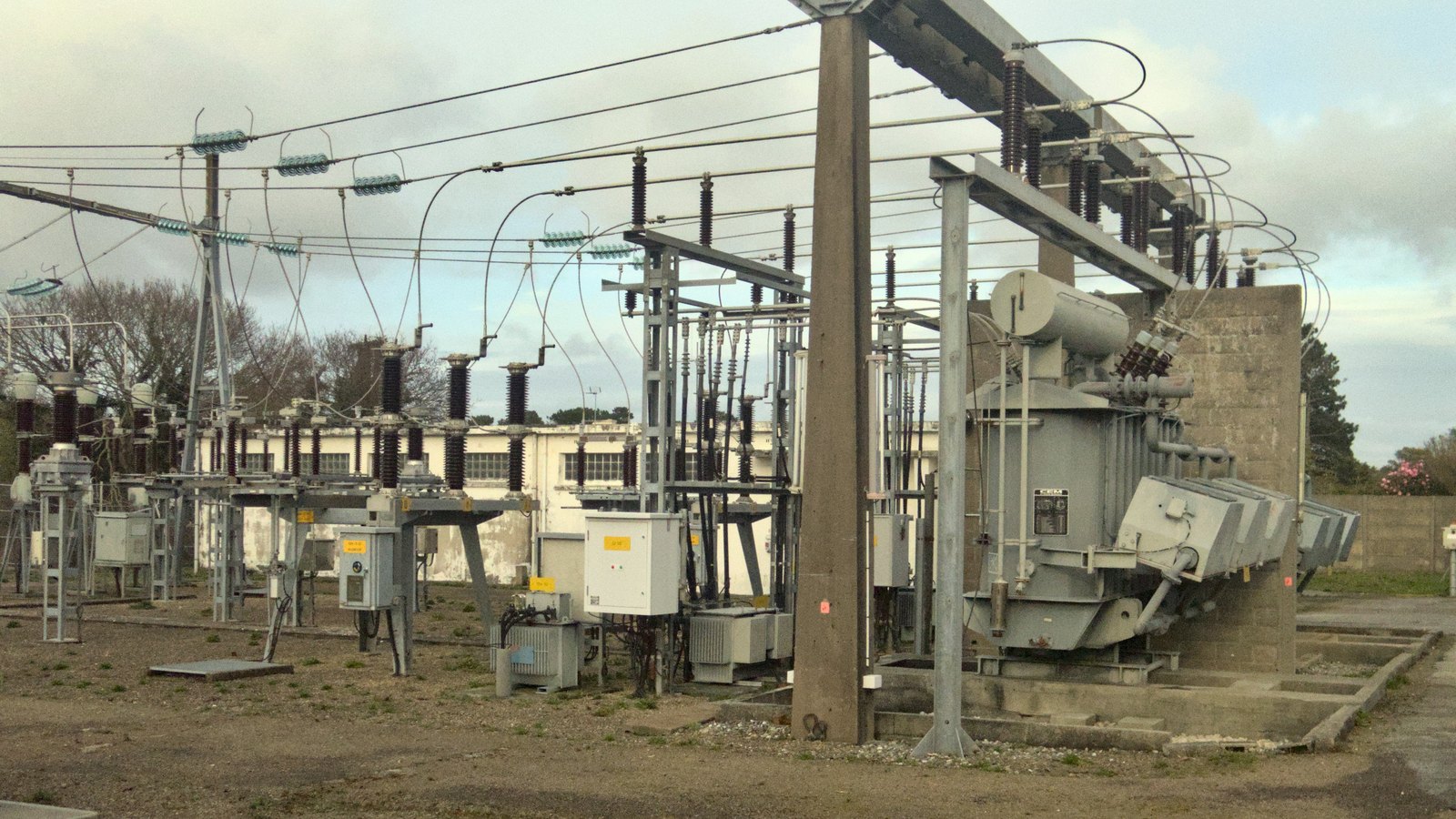
On November 23, 2026, the U.S. International Trade Commission published a notice terminating its Section 337 investigation into imported electrical transformers and components following a global settlement agreement. The decision concludes an escalating cross-border trade secret and unfair competition dispute, lifting the threat of import exclusions on critical power grid hardware and providing regulatory clarity for university electrical engineering laboratories, clean-tech incubators, and campus utility procurement offices.
What happened
On November 23, 2026, the U.S. International Trade Commission (USITC) published Federal Register Notice 2026-23813 in Investigation No. 337-TA-1517 (“Certain Transformers and Components Thereof”). The notice announced the Commission’s determination not to review the presiding Administrative Law Judge’s (ALJ) Initial Determination (Order No. 10), which granted a joint motion terminating the investigation in its entirety based on a settlement agreement.
The investigation was instituted on August 19, 2026, following a complaint by Ayr Energy, Inc. of Mountain View, California. The complaint named four respondents: Indian contract manufacturer Zetwerk Manufacturing Businesses Private Limited; its domestic arm Zetwerk Manufacturing USA Inc.; KRYFS Power Components Ltd. of Mumbai; and Unimacts Global, LLC of Massachusetts. The USITC’s Office of Unfair Import Investigations (OUII) joined as an investigative party and supported the termination motion.
On September 28, 2026, Ayr Energy and the respondents filed a joint motion to terminate under Commission rules. The presiding ALJ issued Order No. 10 on October 22, 2026, finding that the settlement complied with federal regulations and that termination posed no adverse effect on the public interest. Following the Commission’s unanimous vote on November 19, 2026, not to review the ruling, the proceeding concluded without exclusion orders or import penalties.
Key details
Section 337 of the Tariff Act of 1930 (19 U.S.C. § 1337) authorizes the USITC to investigate unfair trade practices and intellectual property infringements in imported goods. While primarily recognized for patent disputes, Section 337(a)(1)(A) grants broad jurisdiction over trade secret misappropriation, unfair competition, and false designation of origin threatening domestic industries.
The scope of Investigation No. 337-TA-1517 covered major utility-scale equipment: power transformers, inverter duty transformers utilized in renewable generation and battery storage, distribution units, and critical sub-assemblies including grain-oriented electrical steel cores, copper windings, structural tanks, and insulation materials. Ayr Energy originally sought limited exclusion orders barring port entry and cease and desist orders blocking domestic marketing.
The termination complied with USITC procedural rules under 19 CFR Part 210, specifically rule 210.21(b), requiring parties to file public and confidential settlement copies and certify the absence of unwritten side agreements. The table below outlines the core parameters of the investigation.
| Parameter | Administrative Specification | Regulatory Authority or Detail |
|---|---|---|
| Investigation Number | Investigation No. 337-TA-1517 | USITC Docket (Instituted Aug 19, 2026) |
| Federal Register Notice | 91 FR 75559; Document 2026-23813 | Published November 23, 2026 |
| Primary Complainant | Ayr Energy, Inc. | Mountain View, California, USA |
| Named Respondents | Zetwerk (India/USA), KRYFS Power, Unimacts Global | Contract manufacturers and suppliers |
| Governing Authorities | 19 U.S.C. § 1337; 19 CFR § 210.21(b) | Tariff Act Section 337 and Settlement Rules |
| Accused Equipment | Power, inverter duty, and distribution transformers | Includes magnetic cores, windings, and tanks |
| Final Disposition | ALJ Initial Determination Order No. 10 | Terminated in entirety based on settlement |
Background and context
The trade proceeding arose from a bitter corporate rift between Zetwerk and Ayr Energy. Anirudh Reddy, a former senior executive at Zetwerk, co-founded Ayr Energy in California to supply custom high- and medium-voltage transformers. Zetwerk initiated litigation in Texas state court, claiming Reddy misappropriated proprietary client data, pricing models, and supply networks, demanding roughly $100 million in damages.
Ayr Energy countersued in Texas Business Court for over $1 billion and initiated legal actions in Bengaluru, alleging Zetwerk and supplier KRYFS Power Components stole proprietary transformer designs to launch competing product lines. With Zetwerk preparing for a domestic initial public offering (IPO), Ayr filed its Section 337 complaint, threatening to choke Zetwerk’s North American supply chain with border exclusion orders.
In late September 2026, the parties negotiated a comprehensive global settlement ending all disputes across Texas, India, and the USITC, as reported by The Times of India. The confrontation highlights how companies leverage Section 337 for fast, nationwide injunctive leverage alongside damages claims in court. The strategic interplay between statutory patent enforcement and unpatented proprietary methods is examined in CASRAI’s analysis of trade secrets vs. patents, as well as the statutory scope of a trade secret under federal law.
Power grid supply chain pressures and public interest
The settlement directly affects a severely constrained North American power equipment market. Lead times for heavy power transformers routinely exceed 100 to 200 weeks due to acute domestic shortages of grain-oriented electrical steel and surging electricity demand from artificial intelligence data centers, advanced manufacturing, and renewable generation.
Under 19 U.S.C. § 1337(d)(1), the USITC must evaluate public interest factors before issuing exclusion orders, assessing potential harms to public health, grid reliability, and competitive market conditions. An import ban halting major Indian transformer manufacturers could have delayed critical grid interconnections. In response to these vulnerabilities, the Department of Energy Office of Electricity is funding programs to scale domestic electrical steel production, expand transformer refurbishment, and develop modular hardware.
What it means for researchers, universities and research offices
The termination removes immediate supply risks for academic power engineering laboratories, university microgrid demonstrations, and national energy testing facilities that rely on overseas contract manufacturing for specialized medium- and high-voltage inverter duty transformers. An exclusion order would have introduced customs delays for custom research hardware and experimental sub-assemblies.
For university technology licensing offices and academic hardware startups, the case underscores the vital importance of IP hygiene during corporate spinouts. When engineering faculty or researchers transition from university labs to commercial ventures in power electronics, clear segregation between licensed institutional IP and subsequent commercial trade secrets is essential to prevent trade theft litigation. Technology managers can review strategic valuation models in CASRAI’s guide to IP valuation beyond patents to establish rigorous boundaries for proprietary know-how, CAD drawings, and winding techniques.
Finally, university facilities managers and procurement officials overseeing campus electrical infrastructure upgrades must ensure capital equipment contracts incorporate strong supplier protections. Institutions should review best practices in indemnification clauses in technology agreements to guarantee hardware vendors absorb liabilities arising from third-party trade disputes or Section 337 import investigations.
What happens next
With the USITC declining to review Order No. 10, Investigation No. 337-TA-1517 is concluded. Because the case was resolved through voluntary settlement without an affirmative violation finding, no 60-day presidential policy review under 19 U.S.C. § 1337(j) is required, and U.S. Customs and Border Protection will take no enforcement action.
The settlement clears regulatory obstacles for Zetwerk’s planned IPO while Ayr Energy solidifies its commercial position in the domestic transformer market. University research administrators and clean-energy developers will continue monitoring Department of Energy grid modernization grants while enforcing strict trade secret safeguards across campus research spinouts.
Sources
- Federal Register: Certain Transformers and Components Thereof; Notice of a Commission Determination Not To Review an Initial Determination Granting Joint Motion To Terminate the Investigation Based on Settlement; Termination of the Investigation in Its Entirety (Notice 2026-23813), checked 2026-11-28
- The Times of India: Zetwerk, Ayr Energy settle trade-secret disputes in US, India, checked 2026-11-28
- Electronic Code of Federal Regulations: 19 CFR Part 210 — Adjudication and Enforcement, checked 2026-11-28
- U.S. Department of Energy: R&D Efforts to Address Transformer Supply, checked 2026-11-28






