
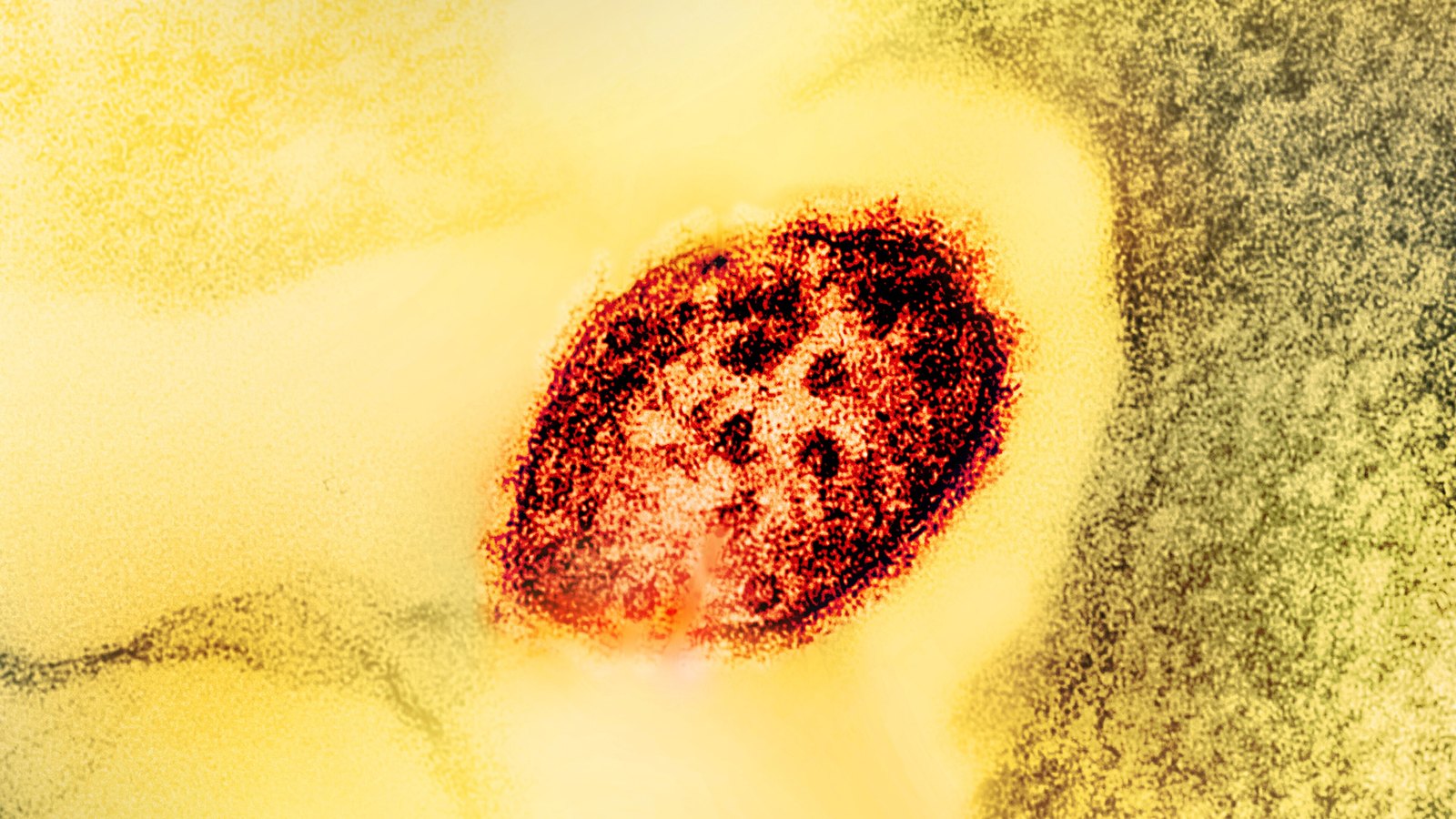
The World Health Organization said on 27 November 2026 that an estimated 72,000 people died of measles worldwide in 2025, a 91% fall since 2000 and the lowest toll on record, in a new global progress report. The same report warns that uneven vaccination coverage is costing countries their elimination status, which matters to public health researchers, university hospitals and the offices that fund and oversee them.
What the WHO report found
WHO released the report, titled “Progress towards measles elimination – worldwide, 2000–2025” in its Weekly epidemiological record, on Friday 27 November 2026. It estimates that about 72,000 people died of measles in 2025, down from roughly 770,000 in 2000, and that measles vaccination has saved more than 60 million lives since 2000. Nearly 10 million people were estimated to have been infected in 2025, which WHO describes as among the lowest levels reported.
WHO Director-General Tedros Adhanom Ghebreyesus said: “Measles deaths have never been lower, thanks to the extraordinary life-saving power of vaccines. But measles does not forgive complacency. Countries that had eliminated it are now losing that status.”
The picture varies sharply by region. In the Region of the Americas, case numbers have risen eightfold since 2000, to 73,000 infections in 2025, while nearly half of all global cases occurred in the South-East Asia Region. UN News reported that the South-East Asia Region has the highest first-dose coverage of any region, at 96 per cent, and that the report treats this as a sign that high regional averages can mask disparities between and within countries.
Key details: coverage, outbreaks and elimination status
Global measles vaccination coverage was largely unchanged in 2025: 84% of children received a first dose and 77% a second dose. WHO says those averages hide regional and national declines and deep inequalities in access.
| Indicator (2025 unless stated) | Figure reported |
|---|---|
| Estimated measles deaths worldwide | 72,000, a 91% reduction since 2000 |
| Estimated infections worldwide | Nearly 10 million |
| First and second dose coverage, global | 84% and 77% |
| Coverage in low-income countries (first and second dose) | 69% and 57% |
| Coverage in high-income countries (first and second dose) | 93% and 91% |
| Children unvaccinated or under-immunized | More than 29 million |
| Countries with large or disruptive outbreaks | 59 (18 low-income, 34 middle-income, 7 high-income) |
| Outbreaks in countries previously declared measles-free | 11 |
| Countries verified as having eliminated measles | 95 at the end of 2025 (WHO); 92 now (UN News, citing WHO data) |
WHO also notes that children in conflict and crisis settings are far less likely to be vaccinated and bear a disproportionate burden of outbreaks. Even where nutrition and health care are better, it says, children who catch measles can develop severe, lifelong complications such as blindness, pneumonia and encephalitis.
Background and context: three countries lose elimination status
The global report lands ten days after the Pan American Health Organization (PAHO) announced on 17 November 2026 that endemic measles transmission had been re-established in Bolivia, Mexico and the United States. That decision followed a 10–13 November meeting of PAHO’s Measles, Rubella and Congenital Rubella Syndrome Elimination Regional Monitoring and Re-Verification Commission, whose recommendations were accepted by PAHO Director Dr Jarbas Barbosa. Under the commission’s criteria, transmission is endemic when the same virus genotype and lineage circulate uninterrupted for 12 months or more. CASRAI covered the regional decision when it was announced in our earlier report on the US loss of elimination status; the development today is the global accounting that places those losses in a 25-year trend.
PAHO said that as of 13 November 2026 the Americas had reported 58,213 confirmed measles cases and 82 deaths, compared with 12,806 cases in the same period of 2025. It added that Canada has interrupted the chain of transmission linked to the outbreak that cost it its status and is working to regain elimination. UN News reports that the Americas, the only region ever to have eliminated measles, lost regional status for a second time after endemic transmission was re-established in Canada in October 2025.
Health Policy Watch reported that the United Kingdom, Armenia, Austria, Azerbaijan, Spain and Uzbekistan lost their elimination status earlier in 2026, and that the European Region still records first-dose coverage of 92% even as several of its countries post some of the lowest rates in the world. It also reported that cases have fallen from 38 million in 2000 to about 10 million in 2025, a 74% reduction.
Reaction from WHO officials and regional health leaders
Speaking at a press conference before the release, as reported by Health Policy Watch, Dr Kate O’Brien, WHO’s director of immunization, vaccines and biologicals, called the report “the alarm bell for everyone around the world” and said losses of elimination status show how quickly preventable diseases can return when coverage falls. She added that two doses of vaccine are 97% effective at preventing disease, and that the gaps among unvaccinated children “won’t go away on their own; they grow cumulatively larger every year.”
Diana Chang Blanc, head of WHO’s Essential Programme on Immunization, made a cost argument. “Mounting a robust response to measles outbreaks is costly to countries,” she said, noting that outbreak response diverts funding and expertise that could otherwise protect or treat people elsewhere in the health system. She said investment in routine vaccination remains the most cost-effective answer, and that even high-income countries with strong health systems can see risks spread from small pockets of unvaccinated people.
In PAHO’s announcement, Barbosa said that “losing measles elimination status is much more than losing a public health designation” and described the situation as “a serious warning for our Region, but it is not an irreversible setback.”
What it means for researchers, universities and research offices
The report is a surveillance and coverage document, and its practical consequences for research institutions follow from what it measures.
- Surveillance and laboratory capacity. Elimination status turns on whether the same genotype and lineage circulate for 12 months, so it depends on genotyping and case investigation. PAHO’s commission recommends active case finding in health facilities, communities and laboratories every three months, systematic documentation of results, and genotyping of PCR-positive cases to identify vaccine strains. Institutions with laboratory and epidemiology capacity may be asked to support this work. Our guide to sentinel surveillance explains how such systems are designed.
- University hospitals and clinical sites. PAHO’s recommendations include verifying the vaccination status of health workers, enforcing institutional immunization policies and applying airborne isolation protocols. Research offices that run clinical trial sites inside hospitals can check how those expectations sit alongside their own site requirements, which our guide on healthcare personnel immunization requirements sets out, and how a suspected case would be handled under a site’s outbreak investigation steps.
- Coverage research and trust. WHO’s report cites access, affordability, trust, exposure to misinformation and politicization, and service quality as barriers to vaccination. These are the questions funders ask of social science, health services and implementation research, and the finding that national averages mask pockets of low coverage supports small-area designs. When evaluating protection from immunization, the distinction between trial and real-world results matters; see our explainer on vaccine efficacy.
- Funding priorities. The Measles and Rubella Partnership, led by the American Red Cross, the Gates Foundation, Gavi, the United Nations Foundation, the US Centers for Disease Control and Prevention, UNICEF and WHO, says it is working with governments on surveillance, routine immunization systems and outbreak response, including through its Outbreak Response Fund. Surveillance and immunization-system strengthening are therefore the priorities that these funders and agencies say they are pursuing, which research administrators preparing proposals in this area should know.
What happens next
WHO is urging countries to reach consistently high coverage in every birth cohort, to maintain strong immunization and surveillance systems and to sustain political will. PAHO says Bolivia, Mexico and the United States are implementing measures to strengthen vaccination, surveillance and outbreak response, and it points to the region’s earlier recovery: after endemic transmission was re-established in Venezuela and Brazil in 2018 and 2019, the Americas regained its elimination status in 2024. PAHO’s target remains at least 95% coverage with both doses of the measles vaccine in every community.
For research offices, the next signals to watch are the updates from PAHO’s re-verification commission, WHO’s subsequent immunization coverage estimates and any new calls from the Measles and Rubella Partnership’s members.
This public health news analysis was reviewed by Dr. Diana Nieves Castro, MD.
Sources
- World Health Organization: Historic low in measles deaths, but immunization gaps threaten progress, 27 November 2026, checked 2026-11-28
- UN News: Measles deaths hit historic low, but US, Mexico and Bolivia lose elimination status, 27 November 2026, checked 2026-11-28
- Health Policy Watch: Global Measles Vaccine Coverage Remains Fragile, Even As Global Deaths Hit Historic Low, 27 November 2026, checked 2026-11-28
- Pan American Health Organization: PAHO urges countries to step up efforts to stop measles outbreaks and move towards elimination in the Americas, 17 November 2026, checked 2026-11-28






