
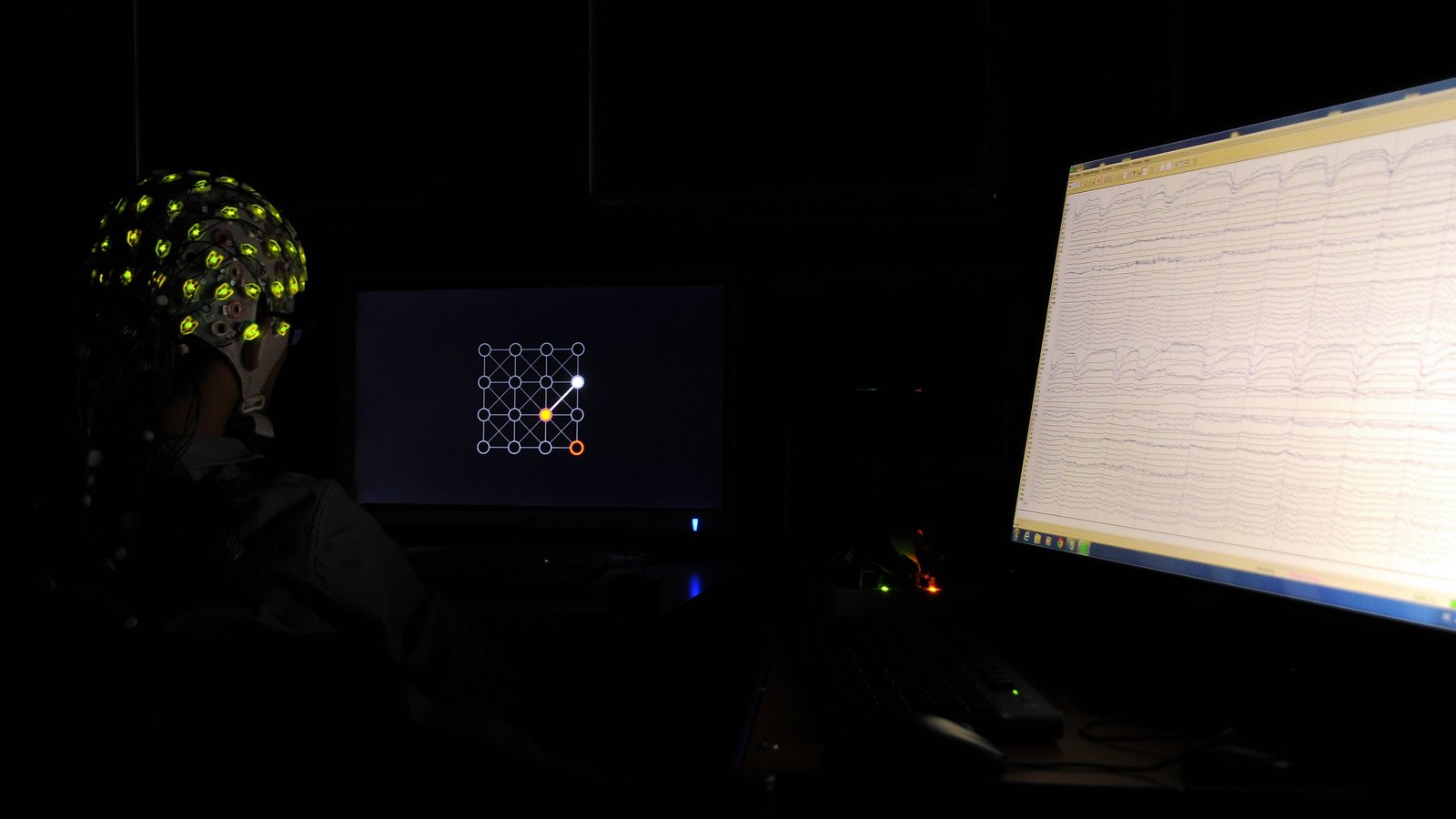
China accelerated its national brain-computer interface standardization drive in late November 2026 under the Ministry of Industry and Information Technology, coinciding with the launch of the Chengdu Brain-Computer Interface University-Enterprise Innovation Alliance led by University of Electronic Science and Technology of China researchers to bridge academic neuroengineering, commercial prototyping, and research compliance.
National Standardization Drive and Regional Innovation Alliance
On November 20, 2026, the Chengdu Science and Technology Bureau inaugurated the Chengdu Brain-Computer Interface University-Enterprise Innovation Alliance during the “Tech Innovation Tianfu · Wisdom Gathering in Chengdu” conference, according to an official announcement by the Chengdu Municipal People’s Government. The alliance was initiated by Professor Yao Dezhong, director of the China-Cuba Belt and Road Joint Laboratory on Neurotechnology and Brain-Apparatus Communication at the University of Electronic Science and Technology of China (UESTC), together with the Chengdu Hi-Tech Zone innovation service centre and regional tech firms. The coalition unites academic science, commercial prototyping, and municipal policy support into an integrated regional innovation network across western China.
The municipal launch coincided with a coordinated push by central authorities to formalize neural engineering benchmarks. Concurrently, reporting by Sichuan Online noted that municipal officials released the Chengdu Brain-Computer Interface Future Industry White Paper, detailing that Chengdu has concentrated over 60 specialized BCI enterprises across three hubs: the Jinjiang “Western China Brain Valley” headquarters district, the Chengdu Hi-Tech Zone technical innovation zone, and the Wenjiang advanced application district. Nationally, the Ministry of Industry and Information Technology (MIIT) moved to formalize nine technical industry standards governing brain-computer interfaces, preparing working groups under its specialized standardization technical committee to oversee data exchange protocols, neural signal acquisition, and electrode interface metrics.
To support this technological expansion, university departments are adopting institutional data sharing policy guidelines to manage complex electroencephalographic records, ensuring collaborative pipelines protect sensitive experimental data while maintaining scientific reproducibility across multi-institutional teams.
Key Technical Specifications and Governance Metrics
The regulatory framework spanning China’s neural engineering landscape encompasses foundational architectural standards, device specifications, and regional enterprise clustering. According to analysis by South China Morning Post, the national standardization roadmap targets drafting or revising over 40 technical BCI standards by 2028 and expanding the regime to more than 80 standards by 2030, covering hardware interfaces, biosignal decoding, and system interoperability.
The following table outlines the principal technical dimensions, governing standard bodies, and target operational requirements formalized across China’s national and regional BCI framework as of late November 2026:
| Governance Domain | Governing Entity / Standard ID | Scope and Technical Thresholds | Target Implementation Phase |
|---|---|---|---|
| System Reference Architecture | ISO/IEC 27572:2026 / SAC TC28/SC43 | Unified architectural boundaries, sub-system interfaces, and functional blocks for neural interfaces | Formally published; international baseline |
| Multimodal Neural Data Formats | GB/T 47127—2026 | Standardized data interchange schemas for EEG, microelectrode arrays, and telemetry synchronisation | Active national standard |
| Industry Standard Working Groups | MIIT/TC4 (9 Project Approvals) | Classification systems, operational risk management, user interaction interfaces, and wireless telemetry | Working group convening November 25–26, 2026 |
| AI Dataset Quality Metrics | YY/T 2029—2026 | Quality benchmarks, signal-to-noise ratios, and annotation schemas for AI algorithms processing neural datasets | Pre-market review and technical evaluation |
| Regional Enterprise Cluster | Chengdu Science and Technology Bureau | 60+ enterprise network across Jinjiang Brain Valley, Hi-Tech Zone, and Wenjiang Application District | Alliance operationalized November 20, 2026 |
These technical tiers address historical fragmentation across incompatible recording hardware. Under the approved specifications, neural data capture requires documented metadata structures compatible with open computational pipelines, mirroring developments seen in international standards efforts like the NIST AI standards initiative.
Evolution of National and International BCI Frameworks
China’s institutional focus on neurotechnology standardization builds on strategic roadmaps established over recent funding cycles. As reported by Yicai Global, the formal convocation of dedicated standard-setting working groups under the MIIT Brain-Computer Interface Standardization Technical Committee (designated MIIT/TC4) marks the institutional culmination of preparatory initiatives launched in mid-2025. The secretariat of this committee, hosted at the China Electronics Standardization Institute (CESI), oversees technical subcommittees tasked with bridging basic laboratory instrumentation and commercial fabrication.
On the international stage, Chinese delegates have sought leadership roles within multilateral standards development organizations. As highlighted by Global Times, China chairs the secretariat of ISO/IEC JTC 1/SC 43, the dedicated international subcommittee on brain-computer interfaces formed under the International Organization for Standardization and International Electrotechnical Commission. Through SC 43, Chinese technical working groups led the drafting of ISO/IEC 27572:2026, which established the world’s first formal international reference architecture for brain-computer interface systems following the earlier vocabulary baseline ISO/IEC 8663:2025.
International observers note that Beijing’s codification strategy mirrors regulatory trajectories previously observed in domestic clean energy and telecommunications sectors. According to regional reporting by The Star, establishing domestic and global standard baselines early allows national research institutions and domestic manufacturers to shape intellectual property contours, ensuring foreign entrants must conform to established interface protocols when seeking market access or technical collaboration.
Institutional and Industry Perspectives
The dual milestones of national standard drafting and municipal alliance formation drew response from academic leaders, municipal regulators, and technology enterprises. Speaking at the alliance inauguration in Chengdu, Professor Yao Dezhong emphasized that academic laboratories have historically excelled at signal processing breakthroughs but faced hurdles in commercial hardware translation. Yao stated that uniting more than 60 commercial enterprises with academic units allows researchers to validate core components—including low-noise neural acquisition chips, flexible electrode arrays, and computational decoding models—within real-world deployment pipelines.
Municipal technology authorities noted that the alliance structure provides direct pathways for university spinouts to access market regulation bodies, intellectual property offices, and municipal testing infrastructure, supported by western China supercomputing centres and microelectronics prototyping supply chains.
Industry executives emphasized that standardized interface protocols prevent startups from expending capital on bespoke connectors, proprietary wireless telemetry, and custom calibration software, allowing component suppliers to deliver interchangeable modules across neuro-rehabilitation and monitoring hardware.
Implications for University Labs and Research Administration
The consolidation of national BCI standards and university-enterprise alliances carries direct administrative and operational consequences for academic research offices, sponsored project administrators, and engineering departments:
- Research Data Governance and Compliance: Neural recording datasets generated in academic laboratories will increasingly be required to conform to national multimodal data standards (such as GB/T 47127—2026) when seeking national grant renewal or commercial licensing. Institutional research data officers must update laboratory data management plans to incorporate standardized metadata schemas, signal verification protocols, and secure storage architectures aligned with GDPR data protection compliance in research and domestic privacy mandates.
- Export Controls and Dual-Use Classifications: Because high-density neural acquisition arrays, biopotential microchips, and decoding algorithms fall under sensitive categories, export control officers must maintain vigilance regarding international collaboration under relevant software export controls regimes.
- Technology Transfer and Consortium Licensing: University tech-transfer offices participating in regional alliances face new paradigms for managing foreground and background intellectual property. When academic laboratories co-develop neural algorithms with commercial consortium partners, technology transfer agreements must delineate patent ownership, licensing exclusivity, and royalty distribution before joint testing begins. Sponsored research offices should ensure standard inter-institutional consortia agreements govern equipment access and student researcher contributions.
- Facility and Core Laboratory Calibration: Academic core facilities housing electromagnetic shielding chambers and human EEG suites must calibrate amplifiers and electrode impedance testing procedures against national benchmarks to qualify for multi-site validation trials.
Upcoming Standardization Milestones and Implementation Timelines
The roadmap for China’s brain-computer interface standards program features key near-term deadlines and procedural checkpoints over the coming months. The MIIT Brain-Computer Interface Standardization Technical Committee convenes its official “Standards Week” on November 25–26, 2026, during which working groups will be formally chartered to draft individual standard specifications for invasive telemetry, risk mitigation, and user experience metrics. These working groups will accept technical submissions from academic institutions and registered enterprise participants through mid-2027.
In Chengdu, the newly formed BCI University-Enterprise Innovation Alliance will launch its initial operational phase in the first quarter of 2027, focusing on opening shared laboratory instrumentation at UESTC to member enterprises and establishing a regional cross-disciplinary training curriculum for neural engineering graduates. Concurrently, the Chengdu Science and Technology Bureau plans to roll out dedicated funding calls supporting pilot demonstrator projects that apply the new national reference architectures to assistive consumer hardware and motor-rehabilitation robotics. Standard drafting committees under SAC/TC28/SC43 are scheduled to deliver draft harmonization reports aligning domestic specifications with international ISO/IEC guidelines by late 2027.
Sources
- Chengdu Municipal People’s Government: Chengdu BCI University-Enterprise Matchmaking Conference Convenes, Alliance Launched and White Paper Released, checked 2026-11-23
- Sichuan Online: Chengdu Launches Brain-Computer Interface University-Enterprise Innovation Alliance, checked 2026-11-23
- Yicai Global: Working Groups of MIIT Brain-Computer Interface Standardization Technical Committee to Be Established, checked 2026-11-23
- Global Times: China Achieves Breakthrough in International Standards for Brain-Computer Interfaces, checked 2026-11-23
- The Star: China Moves to Set Global Standards for Brain-Computer Interface Technology, checked 2026-11-23
- South China Morning Post: Brain-Computer Interface Boom Enters Next Phase as China Pushes to Shape Global Standards, checked 2026-11-23






