
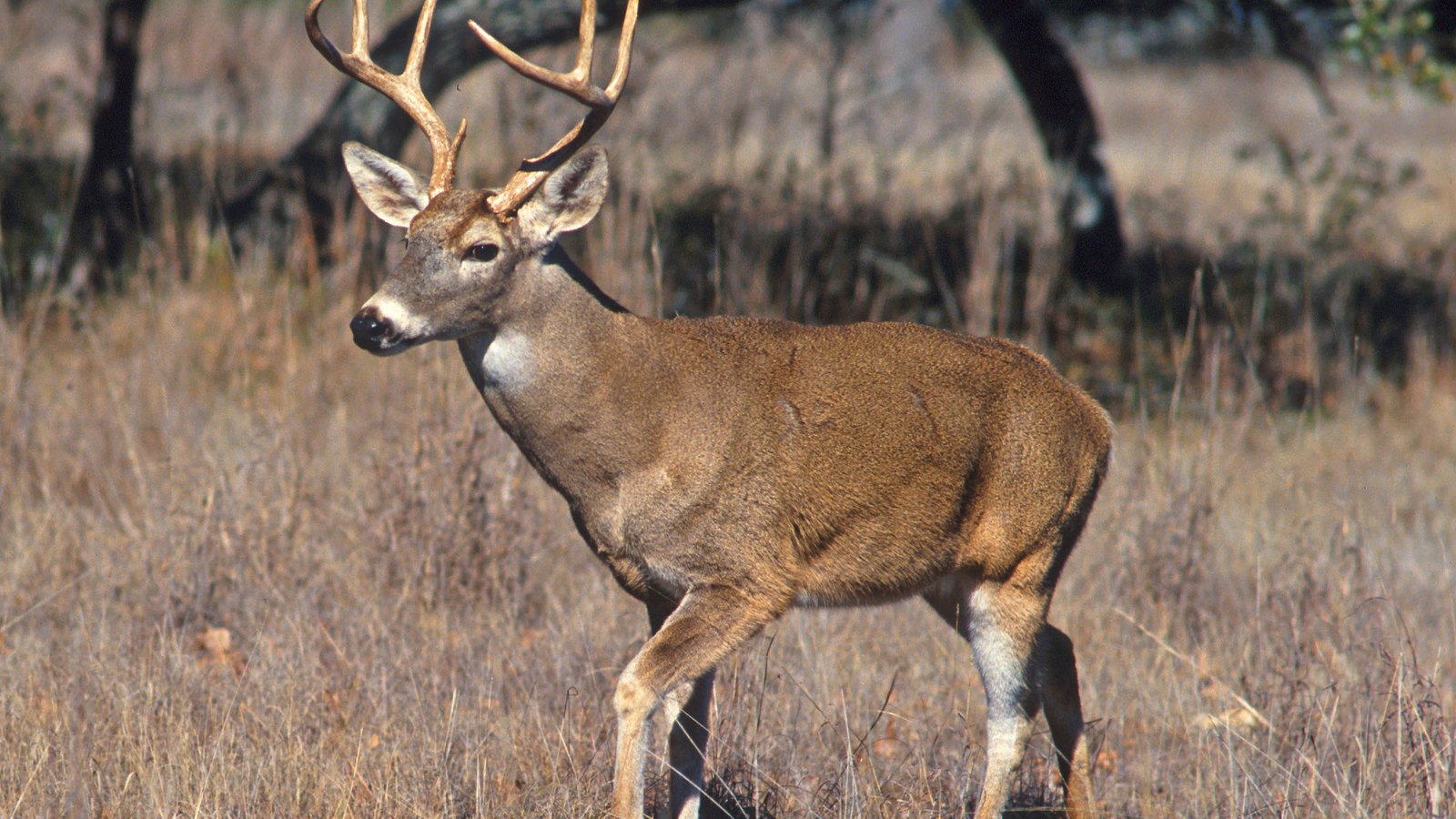
On November 23, 2026, the U.S. Department of Agriculture Animal and Plant Health Inspection Service in Washington, DC, officially extended the public comment period on revised Chronic Wasting Disease Herd Certification Program Standards, granting agricultural producers, veterinary diagnostic laboratories, and university research offices through December 28, 2026, to evaluate proposed shifts from whole-herd depopulation toward predictive genetics and targeted animal quarantine rules.
What happened
The Animal and Plant Health Inspection Service (APHIS), an agency of the United States Department of Agriculture (USDA), published a formal notice in the Federal Register on November 23, 2026 (91 FR 75491, Doc. 2026-23768), extending the comment window for the Chronic Wasting Disease (CWD) Herd Certification Program Standards. The action adds 33 calendar days to the public review period, moving the submission deadline from November 25, 2026, to December 28, 2026.
The underlying revisions were initially published on October 26, 2026 (91 FR 67266, Doc. 2026-21745), representing the first substantial update to the federal standards since 2019. The extension was signed on November 16, 2026, by APHIS Administrator Sarah Helming. Agency officials stated that the extension responds to requests from state animal health authorities and farmed cervid industry groups needing additional time to analyze the operational impact of the proposed standards.
Public comments and supporting documents are accessible on the federal eRulemaking portal at Regulations.gov under Docket No. APHIS-2026-0563, or via postal delivery to APHIS Regulatory Analysis and Development in Beltsville, Maryland. Technical inquiries are directed to Dr. Tracy Nichols, Molecular Biologist on the Cervid Health Staff within APHIS Veterinary Services in Fort Collins, Colorado. Regulatory authority is exercised under the Animal Health Protection Act (7 U.S.C. 8301–8317) and 7 CFR 2.22, 2.80, and 371.4.
Key details of the revised standards
The national CWD Herd Certification Program (HCP) operates under 9 CFR part 55 (herd certification) and 9 CFR part 81 (interstate movement). Enrolled herds undergo strict animal identification, fencing inspections, annual physical reconciliations, and post-mortem mortality testing. Participating herds advance annually, attaining certified low-risk status after five years of documented compliance without evidence of infection. Only farmed cervids from certified low-risk herds may move across state lines.
The proposed 2026 revision introduces significant updates to modernize disease management:
- Species-Specific Quarantine Periods: Trace-back and trace-out quarantine periods are shortened for white-tailed deer and mule deer based on incubation data, while standard five-year windows are maintained for elk and other cervids.
- Shift Away from Whole-Herd Depopulation: Mandatory herd depopulation is replaced as the default intervention by selective removal of high-risk animals and customized, genetics-based herd plans.
- Predictive Genetics Guidance: Formal guidelines incorporate prion protein gene (PRNP) markers and genomically estimated breeding values to assist producers in lowering herd disease susceptibility.
- Indemnity Refinements: Indemnity prioritization focuses on transmission risk reduction and high-risk animal removals, accompanied by a codified administrative appeal process.
- Terminal Interstate Movement: Farmed cervids from positive herds may move to terminal quarantined hunt facilities in endemic areas across state lines with joint consent from origin and receiving State Animal Health Authorities (SAHAs).
The table below summarizes key structural differences between the 2019 standards and the 2026 proposed framework:
| Regulatory Area | 2019 Program Standards | Proposed 2026 Revisions | Scientific & Management Objective |
|---|---|---|---|
| Positive Herd Response | Whole-herd depopulation served as the primary regulatory remedy. | Genetics-based herd plans and selective culling of high-risk stock. | Contains transmission while preserving valuable disease-resistant bloodlines. |
| Trace Quarantines | Uniform multi-year quarantine applied across all cervid species. | Shortened quarantine windows for deer; maintained for elk. | Aligns quarantine duration with species-specific incubation dynamics. |
| Predictive Genetics | Informal observational status without regulatory standing. | Codified guidelines for PRNP markers and genomic breeding values. | Encourages selective breeding to reduce population vulnerability. |
| Indemnity Focus | Disbursements centered on complete herd depopulation valuations. | Prioritized for risk reduction, targeted culling, and research reinvestment. | Reallocates savings into improved diagnostics and genetic epidemiology. |
| Interstate Movement | Complete prohibition on live movement from exposed or positive herds. | Allowed to terminal hunt facilities in endemic zones with dual-state SAHA consent. | Provides safe terminal pathways without introducing pathogens to naive ranges. |
| Indemnity Appeals | Informal agency reviews without codified procedures. | Dedicated appeal section with structured procedural rights and evidentiary criteria. | Establishes transparent administrative due process for herd owners. |
Background and context
Chronic wasting disease is a fatal neurodegenerative condition belonging to the transmissible spongiform encephalopathies (TSEs), caused by misfolded prion proteins (PrPSc). Like bovine spongiform encephalopathy, which research institutions monitor under a BSE/TSE compliance statement, CWD prions are exceptionally resistant to conventional proteases, heat, and environmental degradation.
Initially recognized in captive mule deer in Colorado in 1967 and in free-ranging deer in 1981, CWD has expanded significantly. Epidemiological tracking by the Chronic Wasting Disease Alliance records detections across 36 U.S. states and four Canadian provinces among white-tailed deer, mule deer, elk, moose, and reindeer. Transmission occurs directly through animal contact and shedding in saliva, urine, and feces, as well as indirectly via persistent environmental reservoirs.
Although APHIS codified the voluntary certification framework in 2014, stakeholders frequently highlighted the economic unsustainability of whole-herd depopulation. In response, federal authorities have balanced regulatory enforcement with research funding. In 2026, USDA APHIS distributed $12 million in cooperative funding, providing $6 million for farmed cervid management and $6 million for wild cervid research, as reported by the Center for Infectious Disease Research and Policy (CIDRAP) at the University of Minnesota.
Reaction and sector context
The proposed revisions have prompted widespread evaluation from producers, state veterinarians, and wildlife biologists. Commercial deer and elk farmers welcomed the shift toward genetics and risk-based management, noting that previous whole-herd depopulation mandates imposed severe economic losses.
Coverage by Michigan Farm News emphasized that genetics-based herd plans and shorter trace quarantines offer a more sustainable operational model. APHIS highlighted that lower indemnity expenditures will allow reinvestment into research on diagnostic sensitivity and genetic susceptibility markers.
Conversely, wildlife managers and conservation groups stressed the need for strict containment during interstate transit to terminal facilities, ensuring that movements do not contaminate wild corridors. The 33-day comment extension allows state wildlife and agricultural agencies adequate time to complete technical reviews and align inter-agency policies.
What it means for researchers, universities and research offices
The updated standards carry specific operational and administrative implications for academic veterinary schools, diagnostic laboratories, and university research compliance offices:
- Veterinary Diagnostic Laboratories: University-affiliated laboratories accredited by the American Association of Veterinary Laboratory Diagnosticians face updated sample requirements, including bilateral obex and medial retropharyngeal lymph nodes, alongside growing demand for validated ante-mortem assays such as RT-QuIC.
- University Herd Management: Higher education institutions maintaining captive cervids for research must update standard operating procedures in their institutional program of veterinary care to align with modified trace-back rules and identification mandates.
- IACUC Protocols and Unanticipated Events: When university animal colonies encounter quarantine orders or suspect clinical signs, Institutional Animal Care and Use Committees must manage protocol adjustments under their established IACUC adverse event and unanticipated outcome plan.
- Biosafety and Prion Containment: Research offices and biosafety committees must ensure laboratory personnel handling cervid tissues adhere to biosafety level 2 containment guidelines in Biosafety in Microbiological and Biomedical Laboratories (BMBL), including specialized chemical and thermal inactivation protocols.
- Genomics Research Opportunities: The redirection of federal indemnity funding toward predictive genetics will generate competitive research grant solicitations for university investigators studying PRNP polymorphism resistance and prion transmission dynamics.
What happens next
Public comments on Docket No. APHIS-2026-0563 will be accepted through December 28, 2026. Following the close of the comment window, APHIS will review all submissions.
Under the administrative procedure announced in the notice of availability, if no substantive changes are deemed necessary based on public comments, APHIS will adopt the revised CWD Herd Certification Program Standards as final without publishing a subsequent Federal Register document. If substantive amendments are required, APHIS will publish a follow-up document in the Federal Register addressing the feedback and releasing the finalized text. Until formal adoption, participating states and producers remain governed by the 2019 standards.
Sources
- Federal Register: Chronic Wasting Disease Herd Certification Program Standards (Doc. 2026-23768), checked 2026-11-23
- Regulations.gov: Docket No. APHIS-2026-0563 Supporting Materials and Public Comments, checked 2026-11-23
- Michigan Farm News: USDA Proposes CWD Control Program Updates for Farmed Cervids, checked 2026-11-23
- Center for Infectious Disease Research and Policy (CIDRAP): USDA Announces Funding for CWD Control, Prevention, checked 2026-11-23
- Chronic Wasting Disease Alliance: Chronic Wasting Disease Frequently Asked Questions, checked 2026-11-23






