
Lede
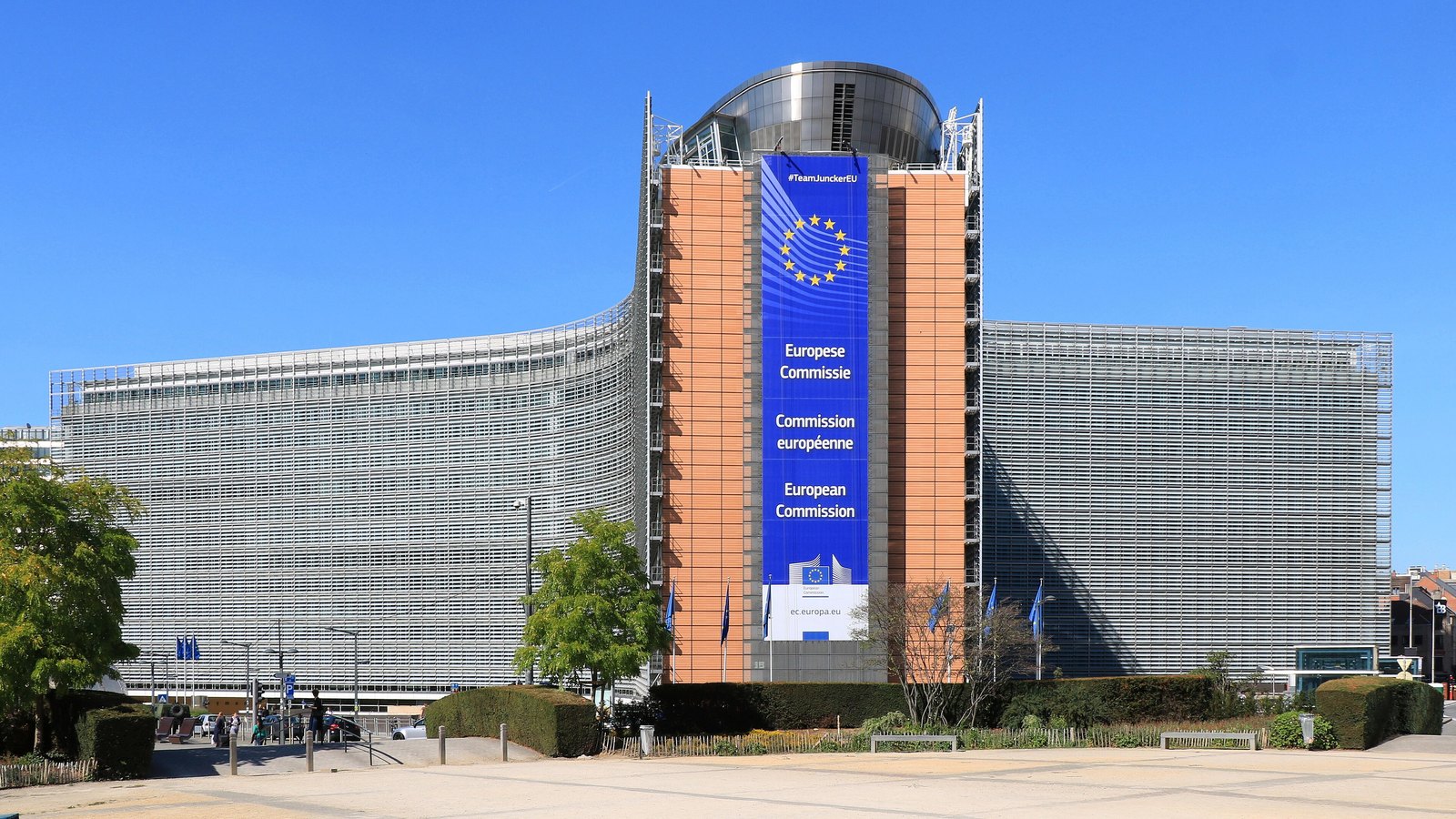
The European Commission has officially established the EU Sanctions Office to consolidate expertise across the sanctions lifecycle, and has appointed Lars Danielsson as the new International Special Envoy for the Implementation of EU Sanctions. This move aims to enhance compliance guidance, data sharing, and enforcement, providing a more structured approach for Member States to navigate complex sanctions regimes in a shifting geopolitical landscape.
What happened
The European Commission announced the formal establishment of the new EU Sanctions Office, which will reside within the Secretariat-General. This office is tasked with coordinating efforts on sanctions design, implementation, and enforcement. Alongside this structural change, the Commission announced the appointment of Lars Danielsson, a seasoned Swedish diplomat and former EU Ambassador, to the role of International Special Envoy for the Implementation of EU Sanctions. Danielsson will succeed David O’Sullivan, effective February 6, 2027.
Key details
The Sanctions Office will focus on:
- Consolidating expertise on anti-circumvention measures.
- Providing Member States with rapid and consistent compliance guidance.
- Facilitating secure data sharing among relevant enforcement bodies.
- Conducting deeper economic and technical analyses to support sanction effectiveness.
Lars Danielsson’s appointment as Special Envoy will see him engaging directly with third countries to ensure adherence to EU sanctions and prevent circumvention. This dual initiative underscores the EU’s intensified focus on strengthening the implementation of its restrictive measures.
Background and context
The EU has faced increasing challenges in the enforcement of its sanctions regimes, particularly regarding the circumvention of measures by third-country entities. Previous efforts have focused on streamlining communication between Member States and strengthening institutional memory. The new Sanctions Office represents a formalization and expansion of these efforts, building on the work previously conducted by informal or dispersed task forces.
Reaction
Early reports from EU officials and independent analysts have welcomed the move as a long-overdue step to centralize technical expertise. Stakeholders emphasize that for researchers and universities operating in international contexts, clearer, centralized guidance from the EU could reduce uncertainty regarding compliance for research projects involving third-country entities.
What it means for researchers, universities and research offices
Research offices and compliance officers should monitor the EU Sanctions Office’s upcoming publications for updated compliance guidance. As the office begins its operations, universities should prepare for potentially more stringent enforcement mechanisms and, hopefully, more standardized processes for assessing export control and sanctions compliance for international collaborations. Understanding the role of the new Special Envoy will also be critical for institutions involved in projects with significant international components.
What happens next
Lars Danielsson will formally take up the position of International Special Envoy on February 6, 2027. The Sanctions Office is expected to begin its structured compliance guidance rollout in the first half of 2027. Researchers and institutional administrators are advised to watch for further announcements through the Commission’s official channels.
Sources
- European Commission: New EU Sanctions Office and Envoy Appointment, checked 2026-11-18
- The Sofia Globe: Analysis on EU Sanctions structural changes, checked 2026-11-18
- Mirage News: EU strengthens sanctions implementation framework, checked 2026-11-18


